.avif)

.svg)
Yoga nidra: why this practice is booming in 2026
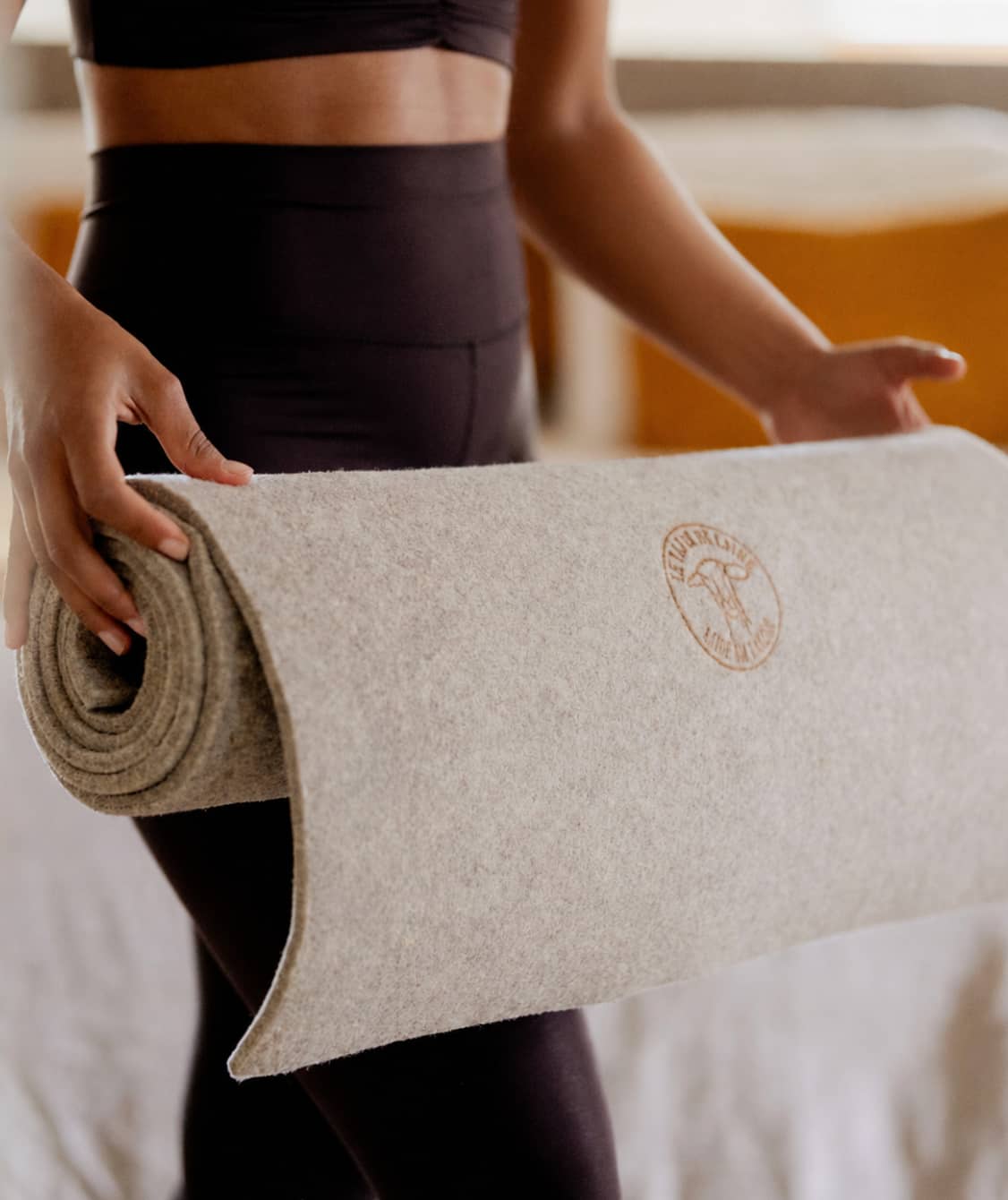
Yoga nidra, a form of guided relaxation practised entirely lying down, is emerging as the yoga trend of the moment. A meta-analysis covering 5,201 people, published in 2026, confirms marked effects on stress and anxiety. In France, 60% of adults report regular stress and 20% suffer from sleep disorders.
A fast-growing practice, backed by science
Yoga nidra is “attracting more and more people” as stress levels rise, reports Oliceo. In France, around 10 million people have already tried yoga and 3 million practise it regularly, according to the Registre officiel des professeurs de yoga et de méditation, which identifies yoga nidra as an increasingly established response to sleep disorders.
This popularity is now backed by solid data. A systematic review led by Shashank Ghai and colleagues, published in the Annals of the New York Academy of Sciences, analysed 73 clinical trials and 5,201 participants. The measured effects are large: reductions in stress (effect size −1.70), anxiety (−1.43) and depression (−0.92) in the absence of an active comparison group.
The authors remain cautious despite these figures. They state that these effects “should be interpreted with caution”, as they probably reflect estimates inflated by the heterogeneity of the methods used from one trial to the next.
What happens during a session
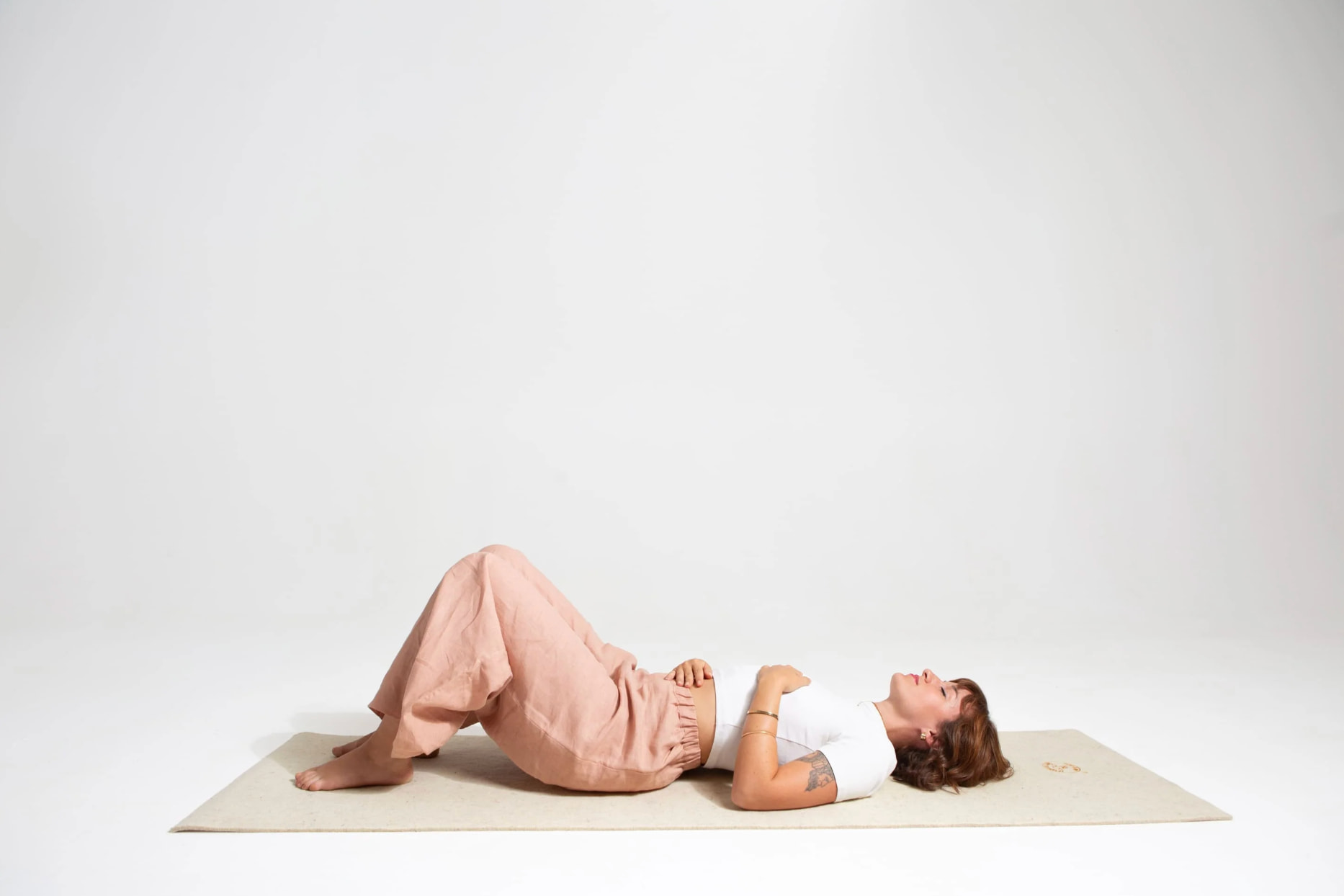
The practice is done lying on your back, motionless, with your eyes closed, following a voice that guides your attention through the body. It was formalised in the 1960s by Swami Satyananda Saraswati as “a systematic method of inducing complete physical, mental and emotional relaxation”, according to the guide by Yoga et Méditation Paris.
Twenty minutes of practice is said to be as restorative as an hour-long nap. A four-week study cited in the same guide measured a 3.6% improvement in sleep efficiency and a reduction in time spent awake at night, and 86 studies using the term yoga nidra are listed on PubMed.
Other research points to effects beyond sleep: two weeks of daily practice improved visual memory accuracy and reaction times in a 2023 study, reported in the same guide. The journal Nature published an article on this sleep and memory research in 2024, a sign that the subject now reaches beyond the circle of yoga practitioners.
Keeping still for 45 minutes: why the floor matters as much as the posture
A session generally lasts between 20 minutes and an hour and a half, entirely without moving. Over that length of time, the body gradually cools down, something most practitioners discover after only a few minutes.
A thick mat and a blanket are therefore not superfluous comfort accessories. According to the guide by Yogom, “you may sometimes feel cold” during a long session, which makes a blanket almost essential to keep the relaxation going right to the end.
The aim is not to bundle up too much, which would encourage you to fall asleep rather than reach the state of awareness you are looking for, but to stay at the right temperature without sudden swings.
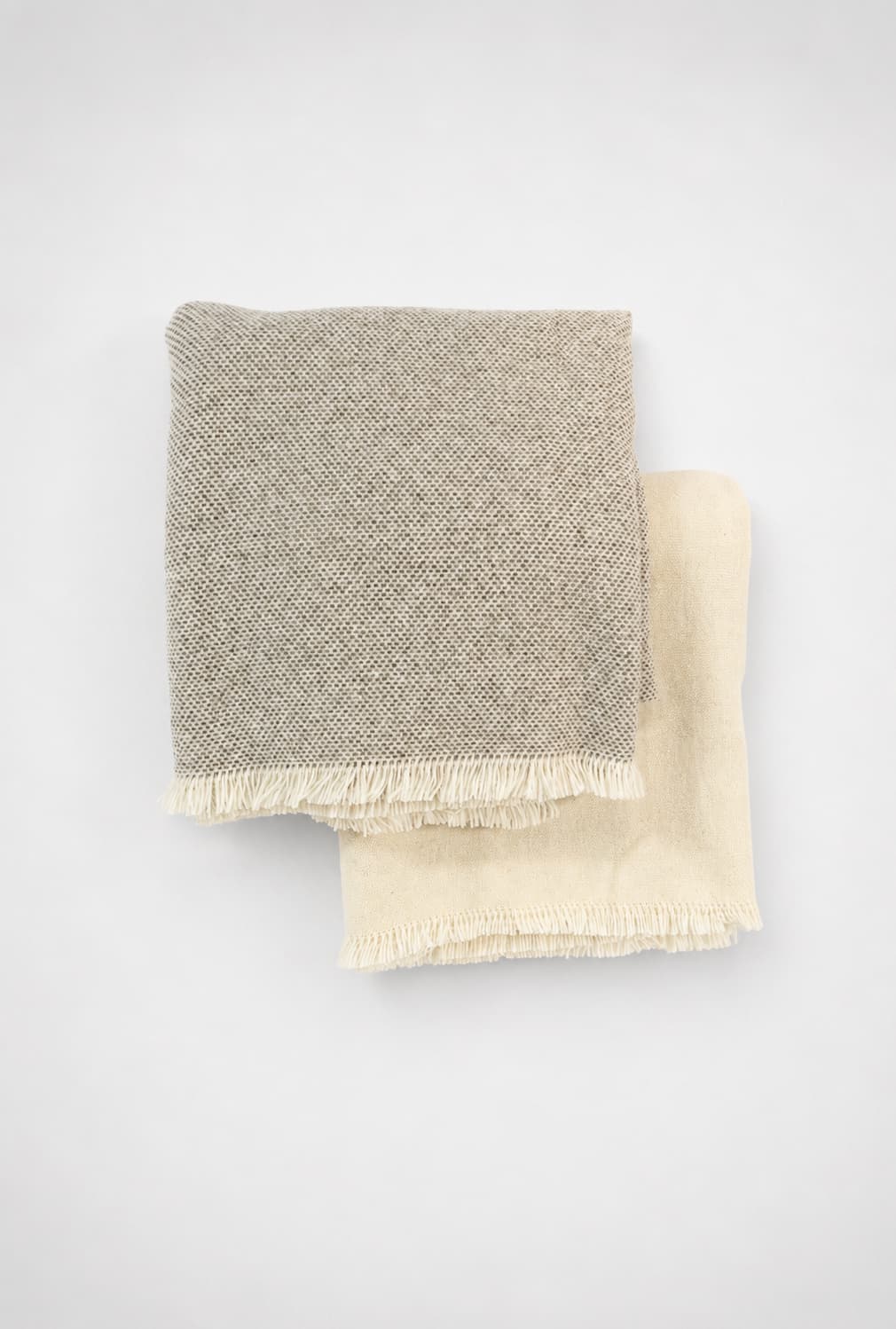
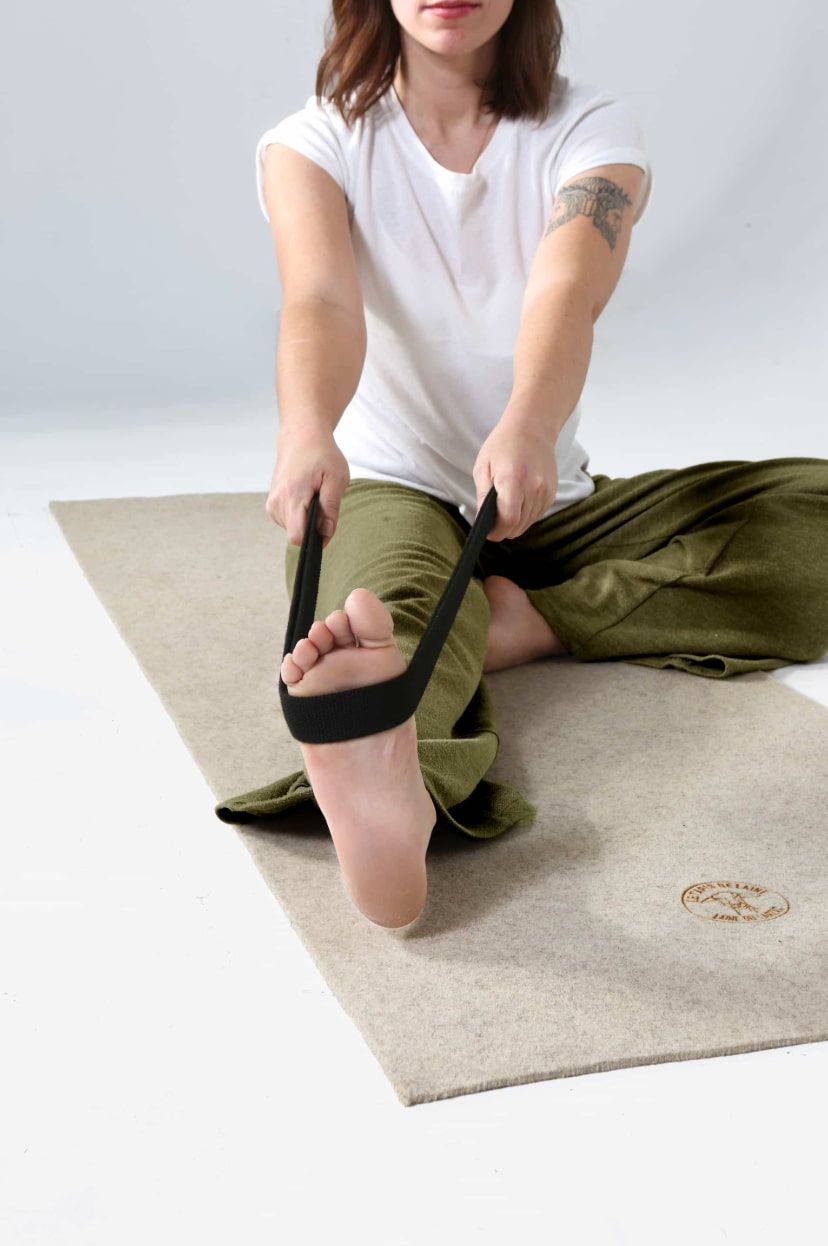
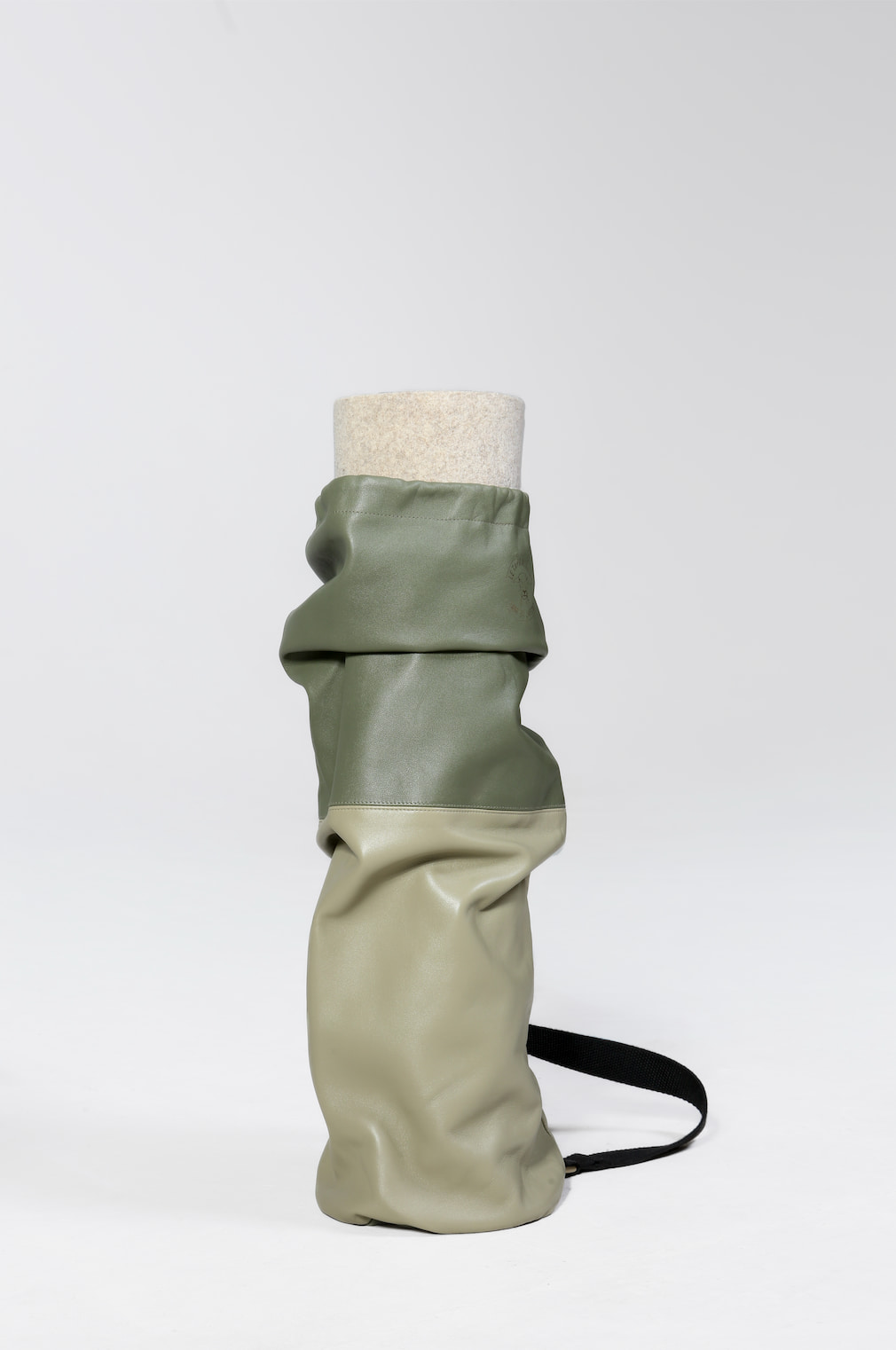
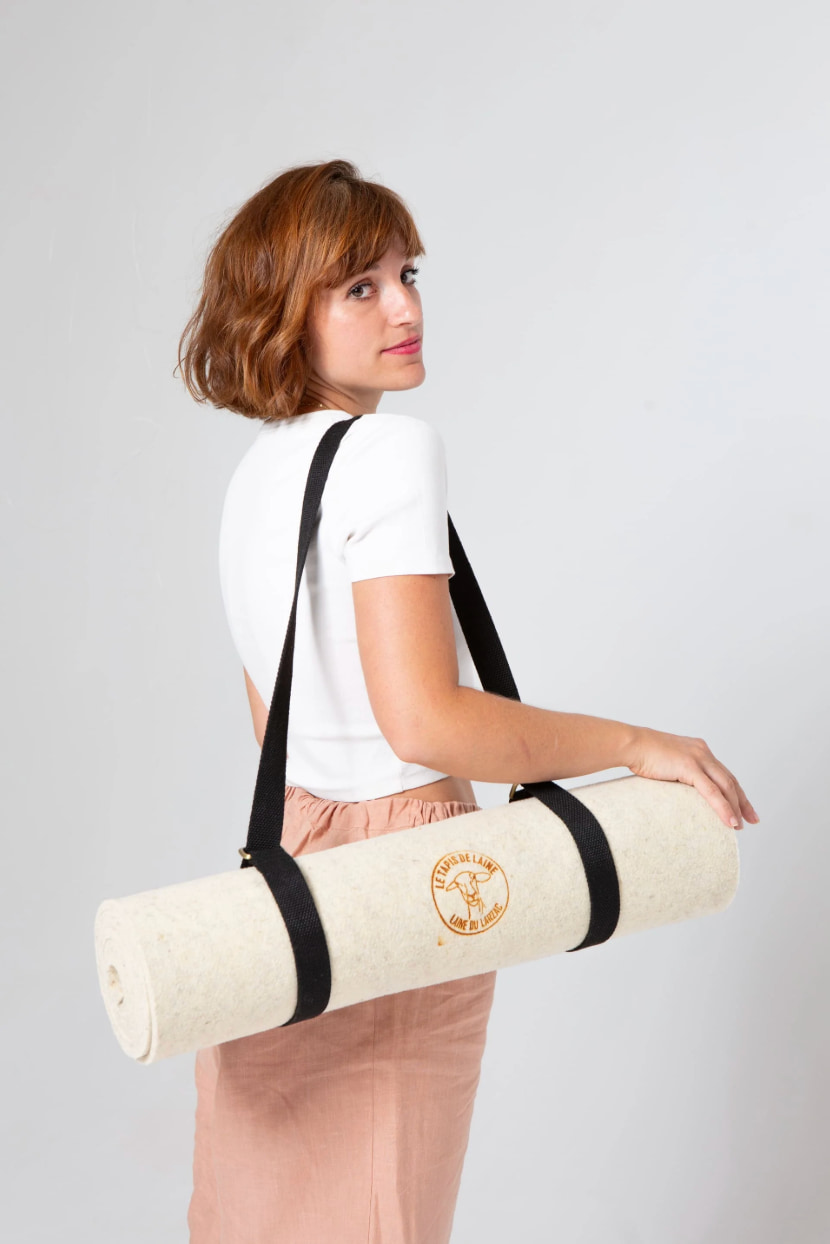
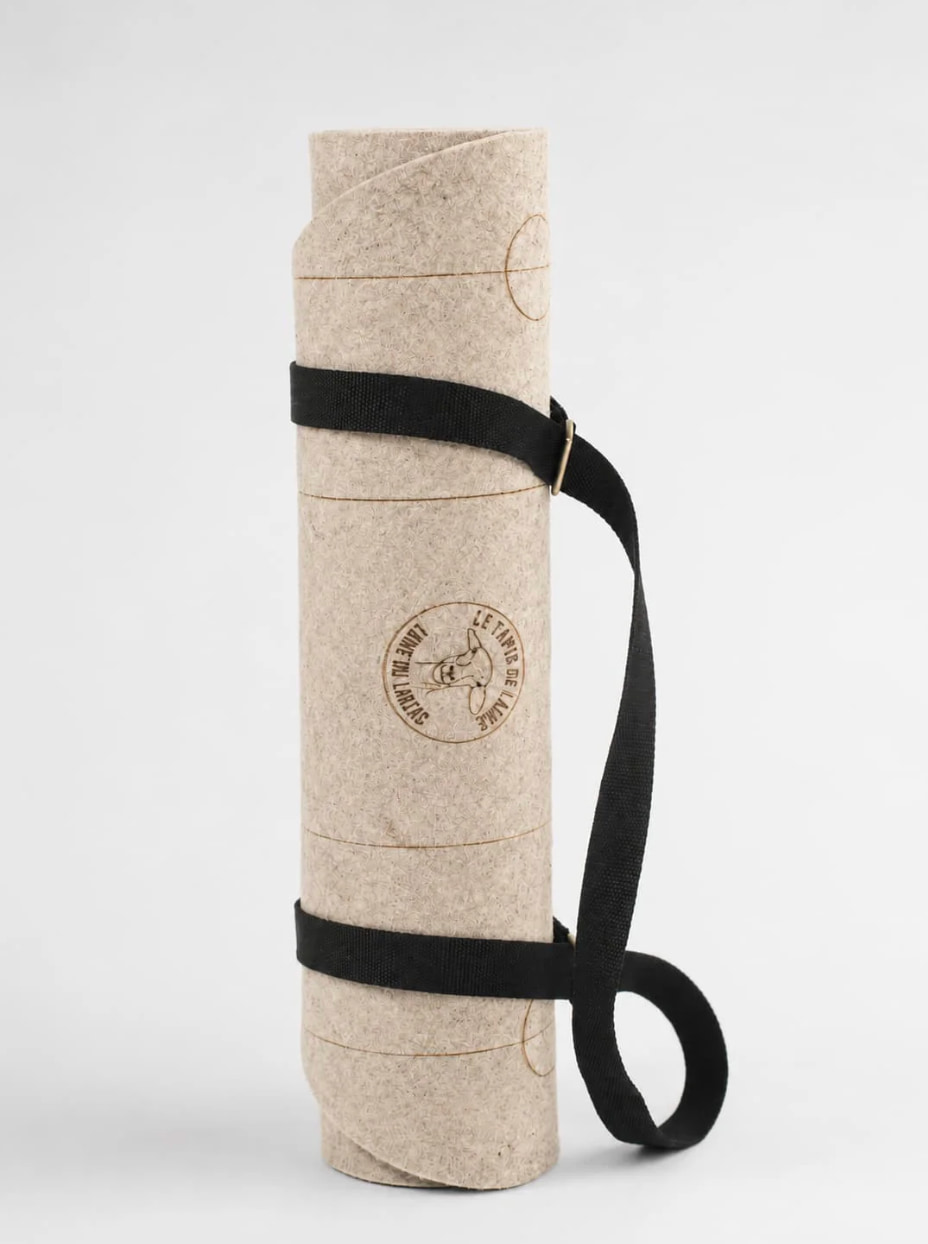
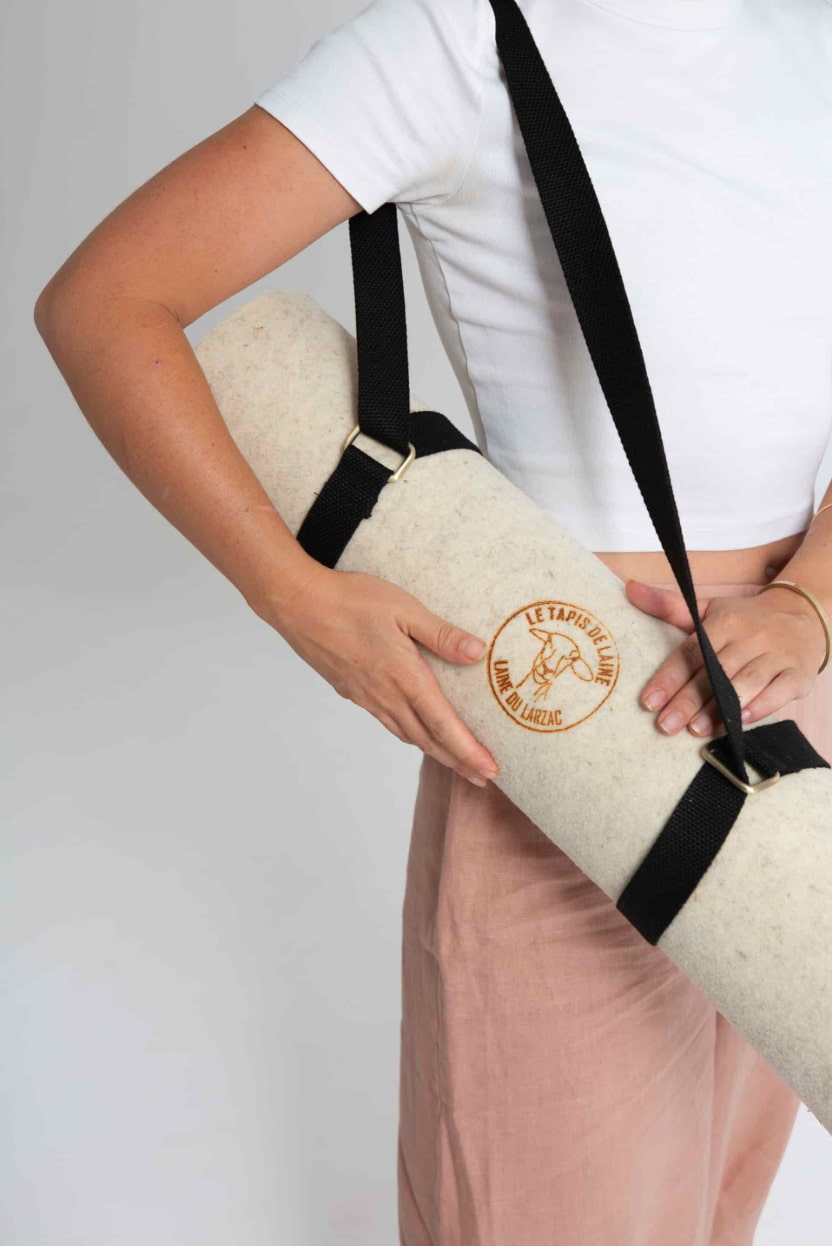
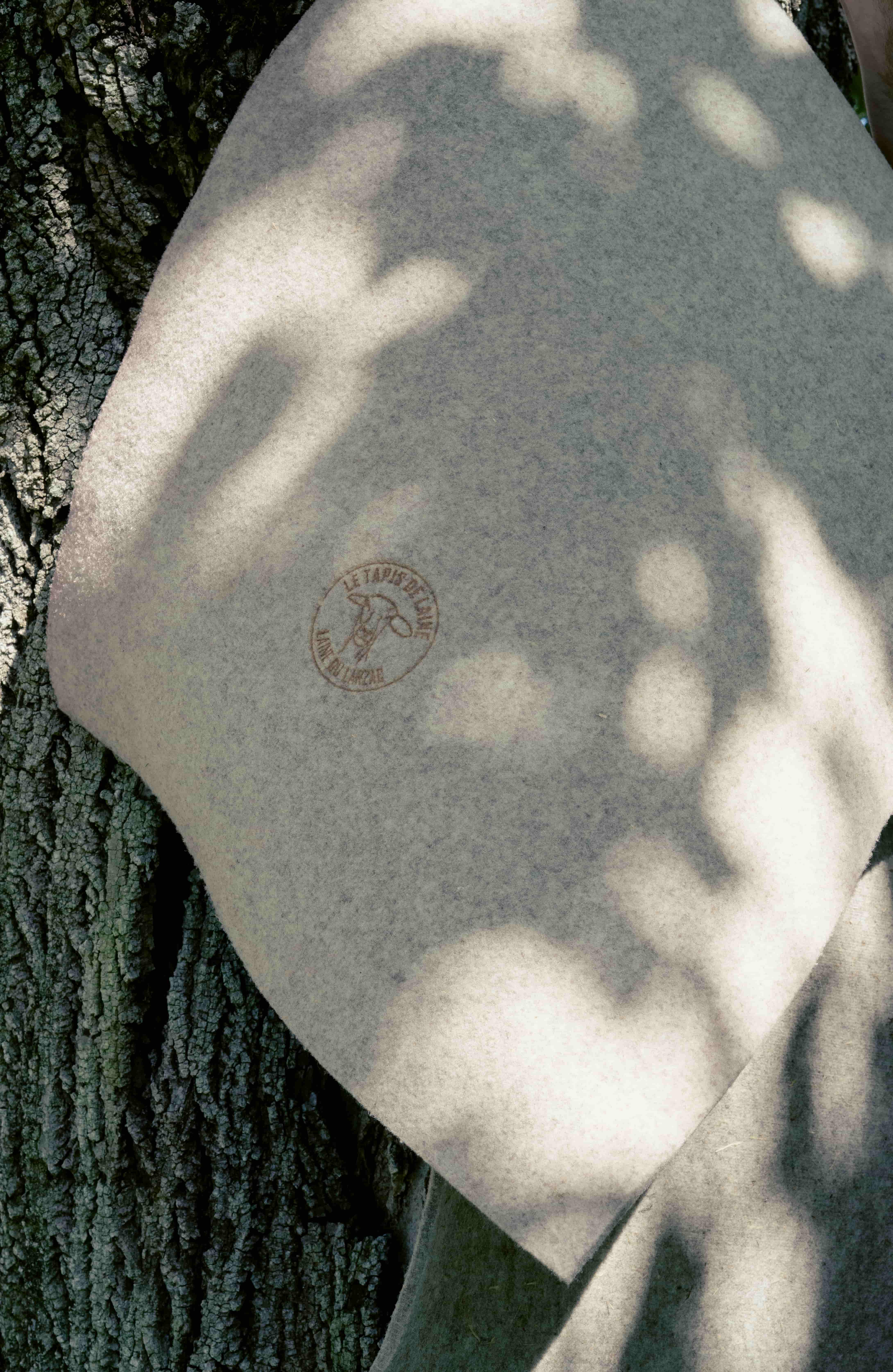
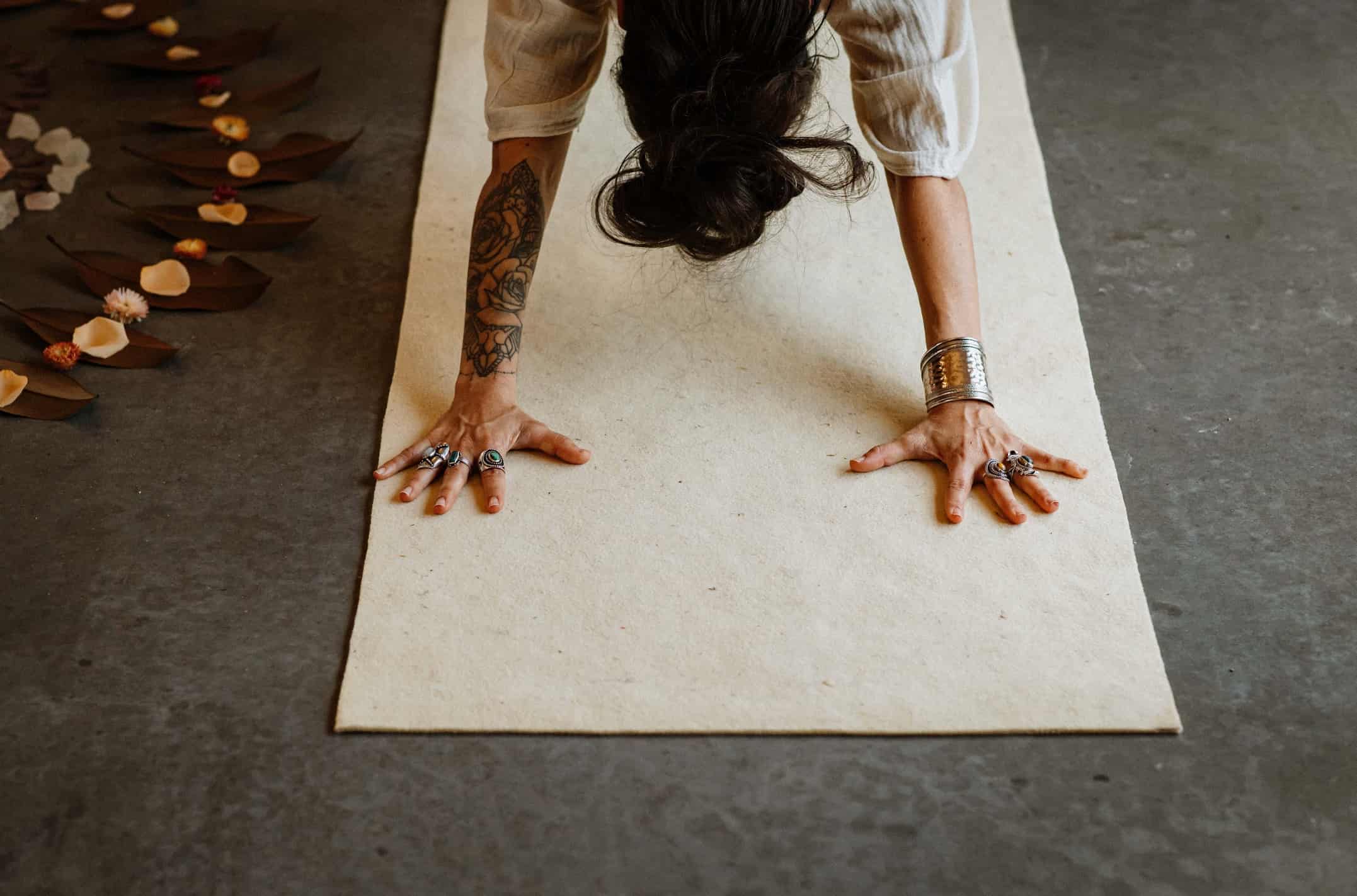
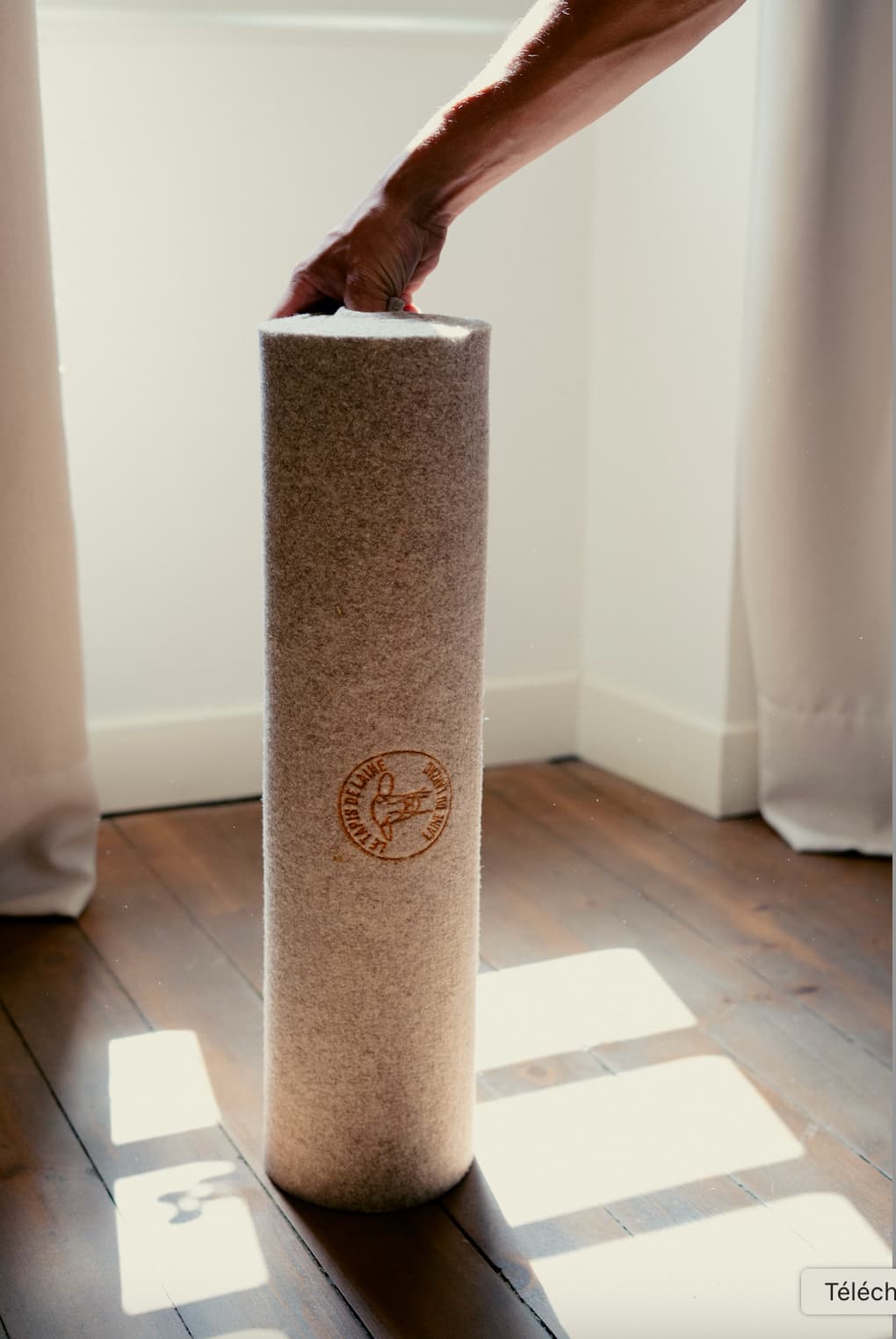
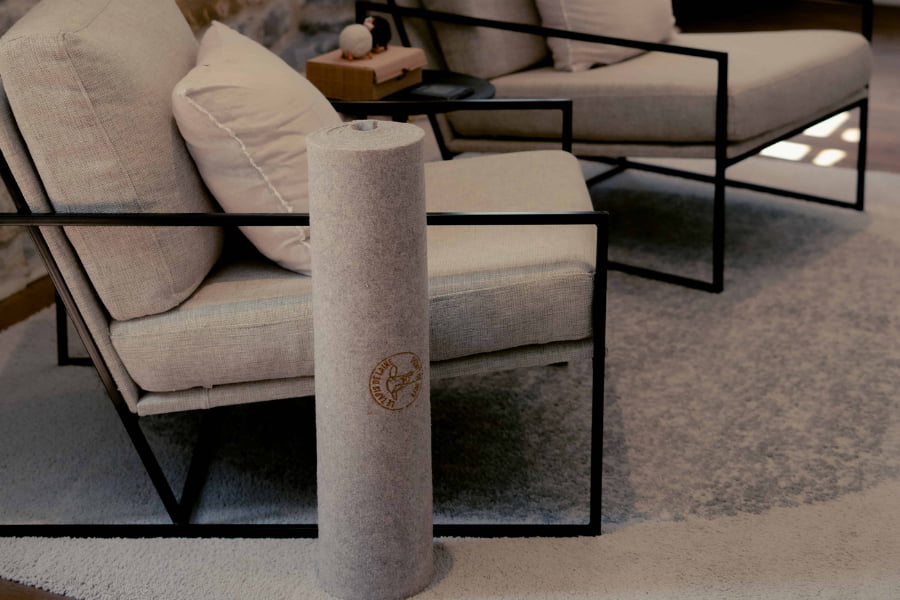
That is precisely what wool allows: a fibre that naturally regulates body heat without ever causing you to overheat. It is in this spirit that Le Tapis de Laine designs its mats and its 100% wool throw, made for this kind of long floor practice as much as for a cosy everyday corner.
Frequently asked questions
How long should a yoga nidra session last?
Between 20 minutes for a short session and an hour and a half for a full practice. A 20-minute session is enough to produce a restorative effect comparable to an hour-long nap, according to the benchmarks cited by Yoga et Méditation Paris.
Does yoga nidra replace a night's sleep?
No. It complements sleep without replacing it, lowering stress and anxiety levels according to the meta-analysis by Ghai and colleagues, but the authors themselves call for these results to be interpreted with caution rather than seen as a miracle cure.
What kind of surface is best for practising on the floor?
A dense mat and a warm but breathable blanket, to prevent the body from gradually cooling down without causing it to overheat. Wool naturally meets both conditions.
Are there any precautions to take before starting?
No major contraindications have been documented, but the authors of the meta-analysis point out that yoga nidra remains a complement, not a treatment. If you have a diagnosed anxiety or depressive disorder, it adds to professional care without replacing it.
.svg)


How we make things
.avif)
5 mat Pilates exercises to get started at home
Pilates mats: why choose a wool mat?
Yoga nidra: why this practice is booming in 2026

Back-to-school season: how to set up a comfortable play corner for your baby
Yoga mats: the 2026 trends to know about
%20(1)%20(1).jpg)
Yoga for back-to-school stress: what the science really recommends
What thickness should you choose for your yoga mat?
.png)
Baby's sensory development on a wool play mat: what the science says (0–12 months)
Wool or synthetic play mat: what the numbers show
Natural yoga mats: wool, cork, jute or rubber — which should you choose?
.jpg)
Why wool is the best-performing material for a yoga mat
Which yoga mat should you choose for your practice: yoga, pilates or meditation?

.svg)
.svg)
.svg)
.svg)
.svg)
.svg)