.avif)

.svg)
What thickness should you choose for your yoga mat?
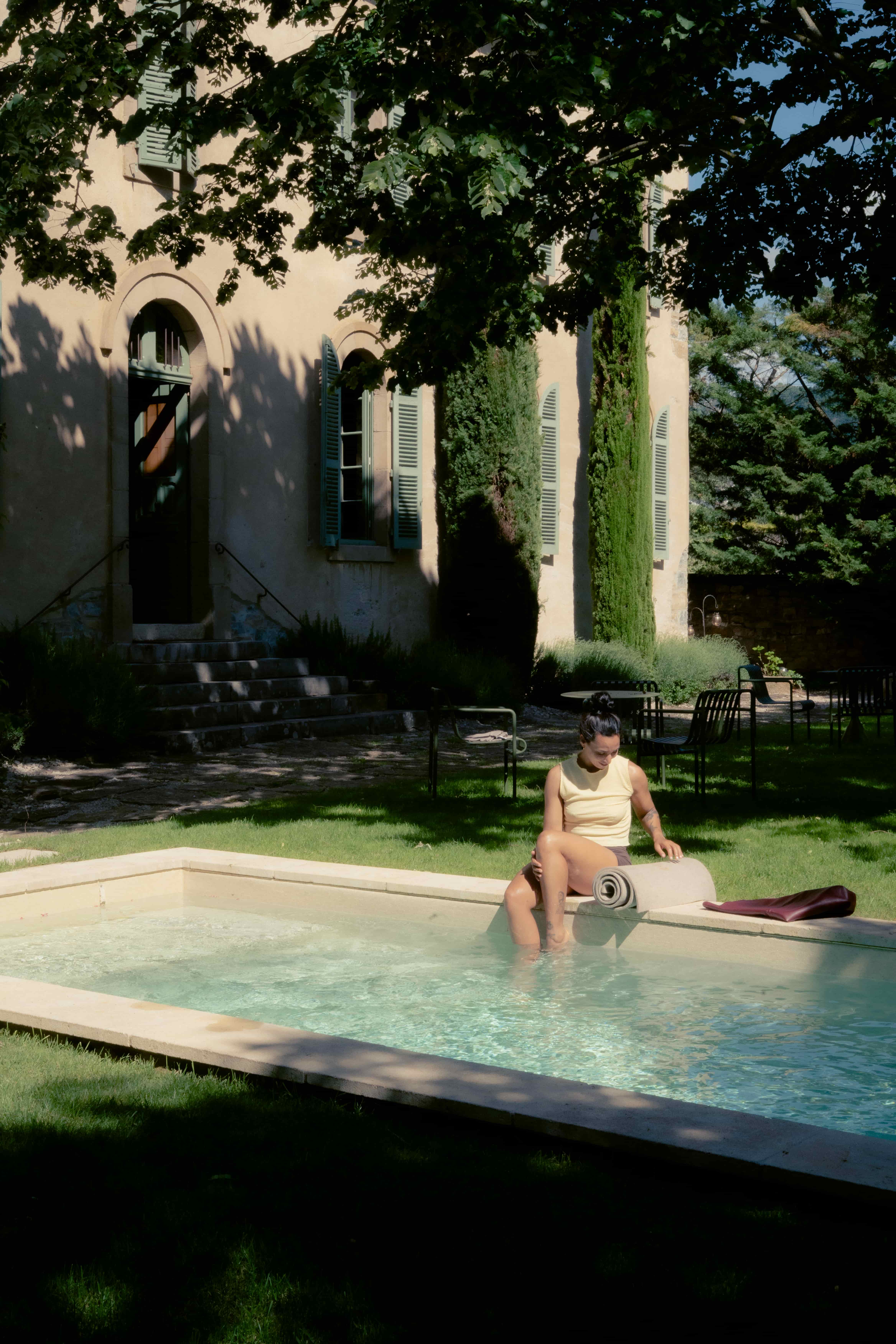
Which yoga mat thickness should you choose for your practice?
Yoga mat thickness ranges from 1 mm for travel to 10 mm for beginners and fragile joints. There is no universal thickness: the right choice depends on the type of practice and, just as much, on the density of the material the mat is made of.
Quick reference by type of practice
Why thickness alone is not the whole answer
A thick but low-density mat can be more destabilising than a thin, firm one. This is the paradox highlighted by several specialist comparisons, including one by Hugger Mugger: in a low-density air-cell foam, the knee or wrist sinks in under pressure, cancelling out part of the protective effect you were after when choosing a thick mat.
So the right question is not just how many millimetres, but how many millimetres at what density of material. Two 8 mm mats can behave completely differently depending on whether they are made of a foam that compresses or of a material that keeps its shape under the body's weight.
The case of dense wool felt
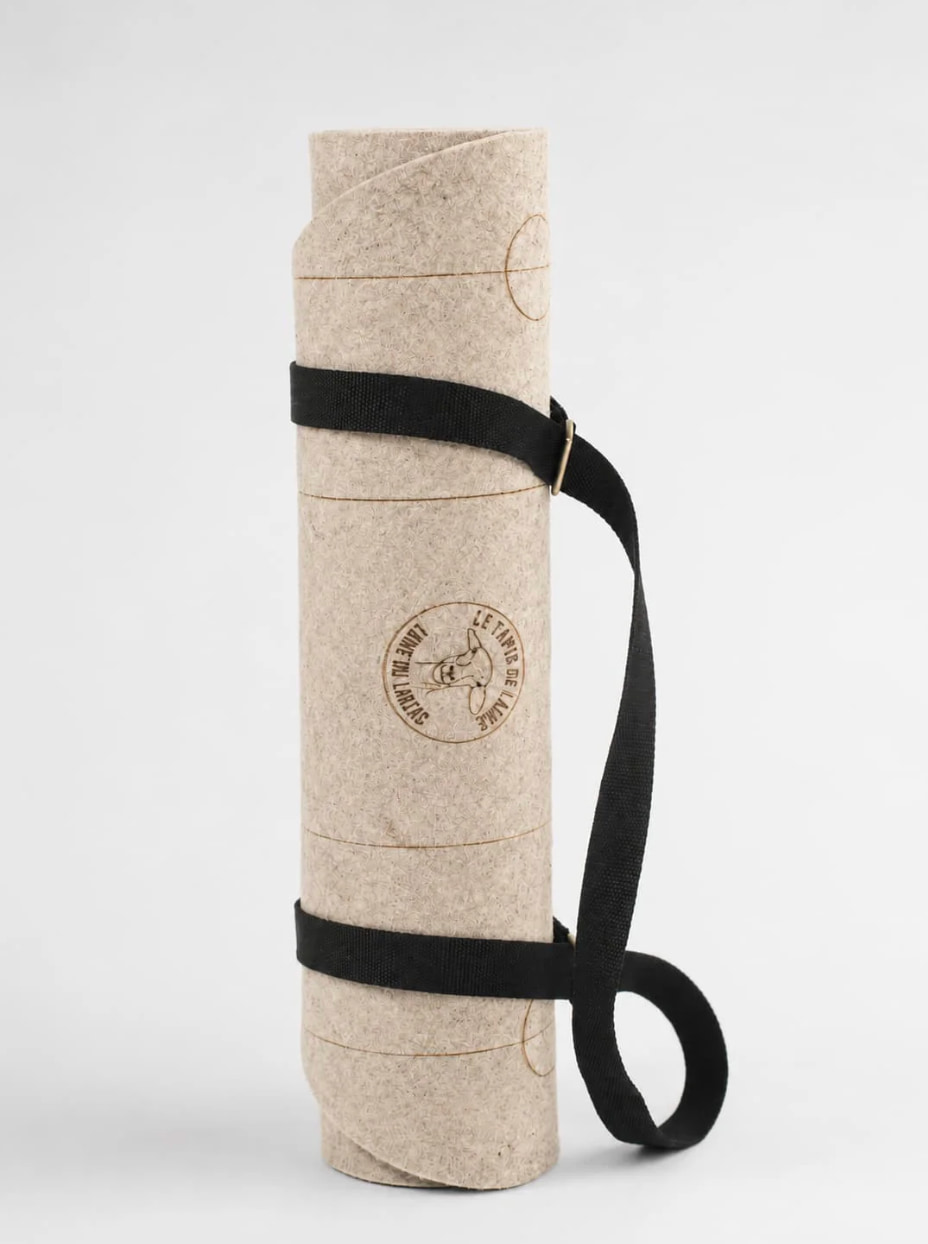
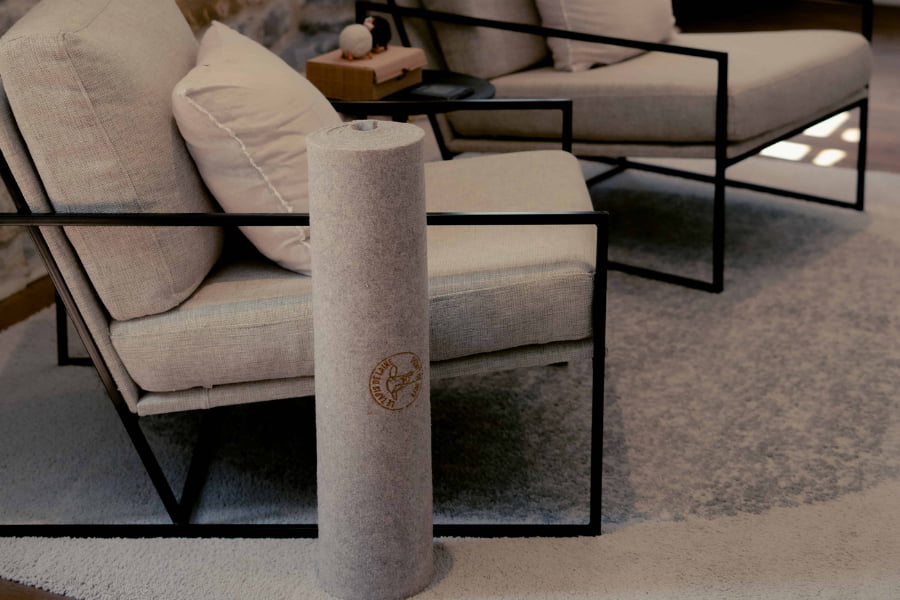
Wool felt does not behave like foam. Its structure comes from interlocking fibres, made possible by the cuticle scales that cover each fibre and make felting possible, according to British Wool. This fibre matrix stays firm under pressure rather than gradually sagging like an air-cell foam.
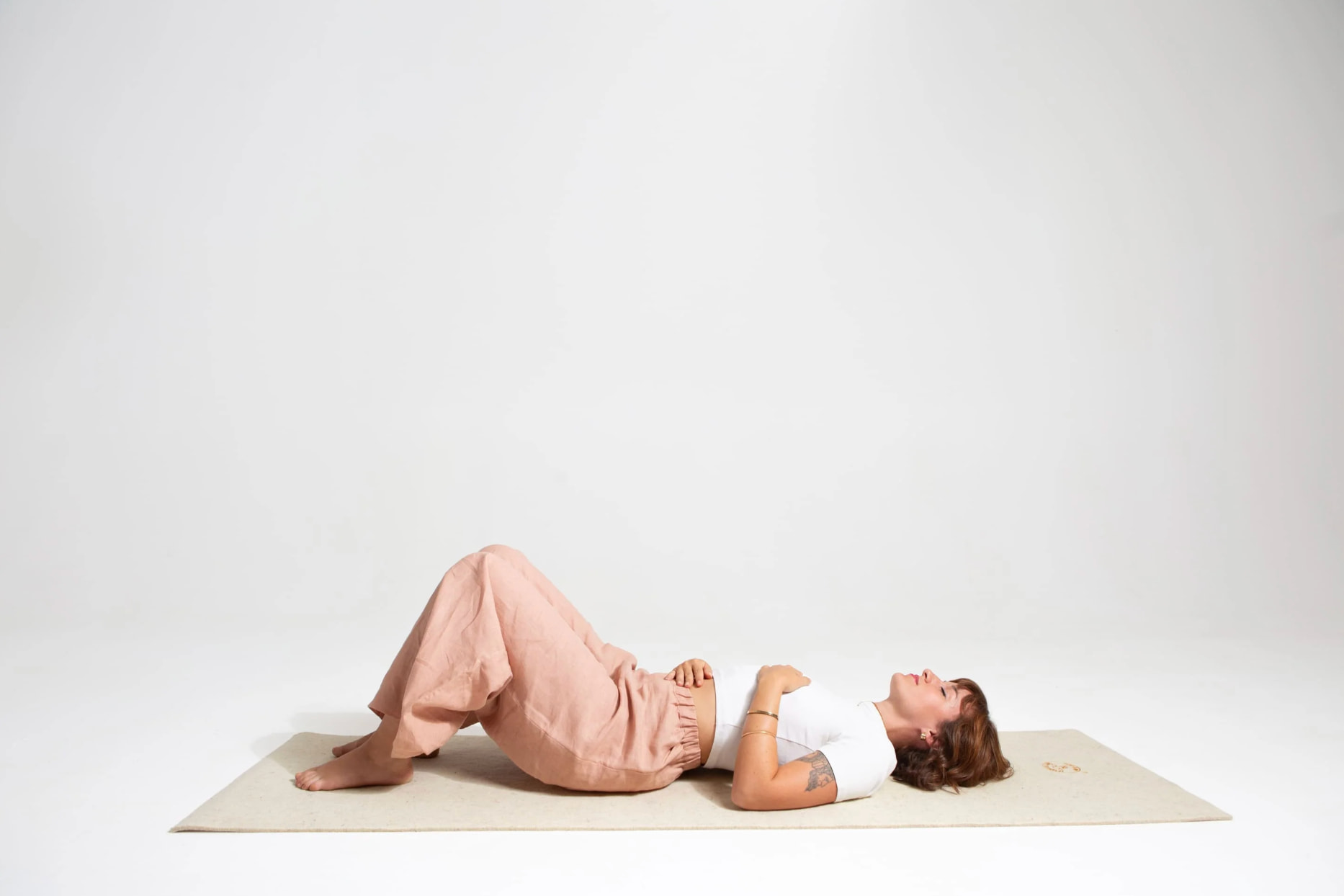
In practical terms, an 8 mm wool felt mat falls within the range for beginners and sensitive joints, while providing more stable support than a foam of the same thickness, which is inherently less dense. That is the combination to check before buying: the stated thickness, yes, but also what really happens under your knee once your body weight is on it.
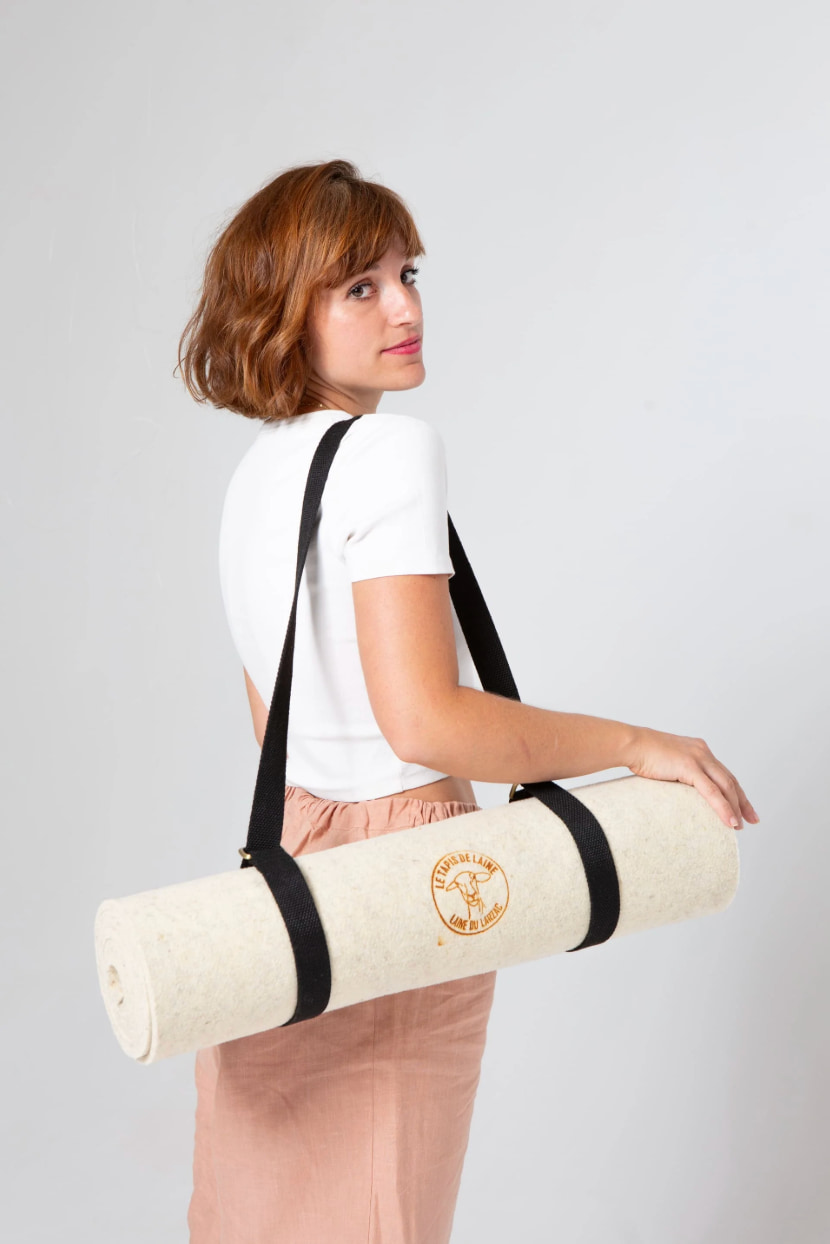
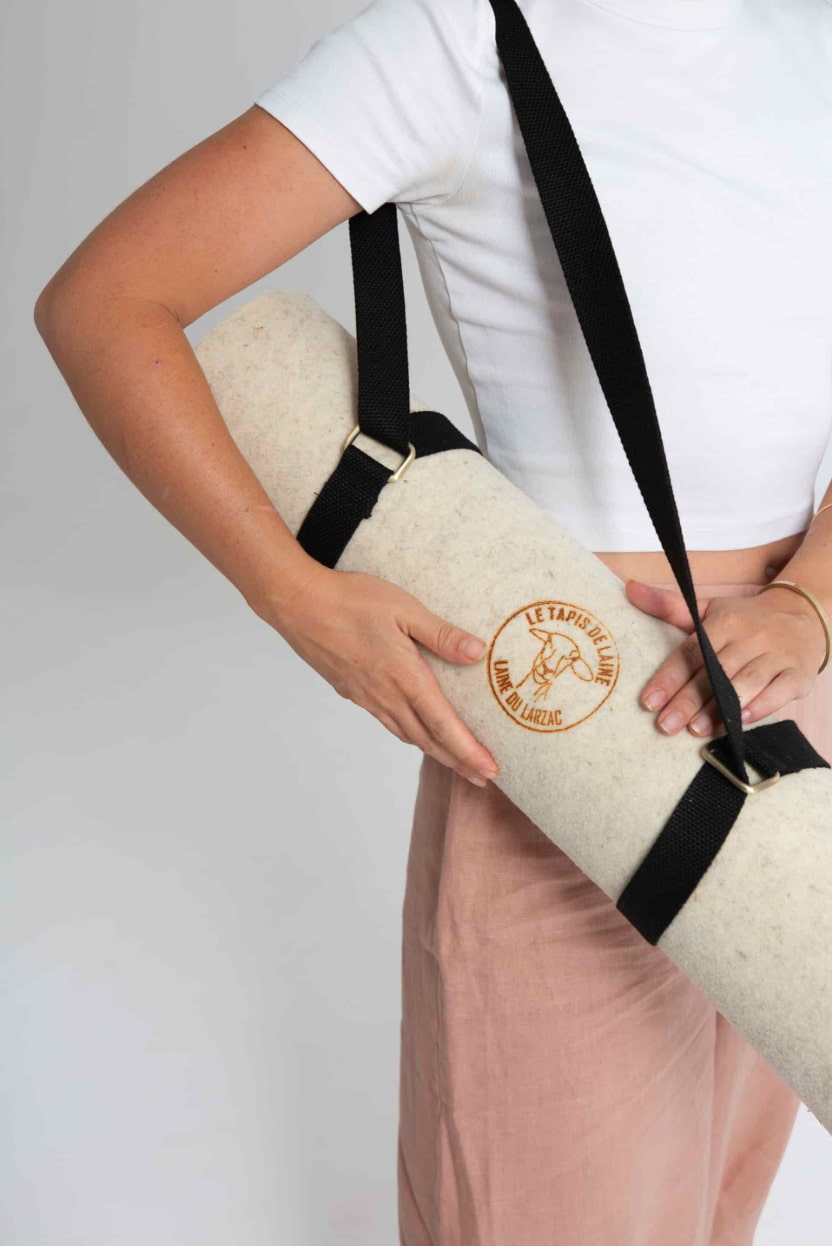
If you are looking for that 8 mm of dense felt with a first name engraved on it, you will find it in our personalised yoga mat: €150, strap included.
The type of floor changes the answer too
On wooden floors or tiles, thickness matters more: nothing softens the contact between the mat and the hard floor. On carpet or an already soft living-room rug, a thinner mat is often enough, as the surface underneath already provides some of the cushioning. So the same 8 mm mat will not feel the same on tiles as on carpet.
Frequently asked questions
Is an 8 mm mat suitable for a beginner?Yes: this thickness falls within the 8 to 10 mm range that Decathlon specifically recommends for beginners and people with fragile joints, provided the material stays firm under pressure rather than sagging.
Is a thick mat necessarily less stable?Not necessarily. Instability comes mainly from a low-density foam that lets the body sink in, not from thickness as such. A dense material at 8 mm remains more stable than a soft foam at 6 mm.
Do you need a different mat for each practice?Ideally, a thin mat (3-4 mm) for dynamic practices and a thicker mat (8 mm or more) for floor-based practices or if you are a beginner. A single dense 8 mm mat remains a reasonable compromise if you do not practise a discipline heavily focused on static balance.
Before you choose
The most reliable guide when buying is not the figure in millimetres alone, but how firm the material is at that thickness. A material that stays stable under body weight protects the joints without sacrificing balance, which a thick, soft foam cannot do.

.svg)


How we make things
.avif)
5 mat Pilates exercises to get started at home
Pilates mats: why choose a wool mat?
Yoga nidra: why this practice is booming in 2026

Back-to-school season: how to set up a comfortable play corner for your baby
Yoga mats: the 2026 trends to know about
%20(1)%20(1).jpg)
Yoga for back-to-school stress: what the science really recommends
What thickness should you choose for your yoga mat?
.png)
Baby's sensory development on a wool play mat: what the science says (0–12 months)
Wool or synthetic play mat: what the numbers show
Natural yoga mats: wool, cork, jute or rubber — which should you choose?
.jpg)
Why wool is the best-performing material for a yoga mat
Which yoga mat should you choose for your practice: yoga, pilates or meditation?

.svg)
.svg)
.svg)
.svg)
.svg)
.svg)