.avif)

.svg)
Yoga for back-to-school stress: what the science really recommends
%20(1)%20(1).jpg)
The return to school and work after the summer drives up measurable stress for many French people: 40% report feeling particularly anxious in September, and the figure rises to 52% among working people going back to their jobs after the holidays. Yoga, practised in short, regular sessions focused on the breath, is one of the few practices whose effect on perceived stress has been confirmed by several independent scientific reviews.
Why September brings a measurable peak in stress
The September return is not just a collective impression: it shows up in precise figures, for parents and for working adults without children alike.
For parents, 65% experience buying school supplies as a mental load, and this pressure weighs more heavily on mothers (71%) than on fathers (56%), according to an OpinionWay survey carried out for Bureau Vallée in July 2026. Among children, an Ipsos-Squla study (2017) puts back-to-school stress at 34% on average, peaking at 48% for pupils starting secondary school — an order of magnitude that remains the most widely cited reference on the subject.
For working adults, 52% feel anxious about returning to work after the holidays, and nearly a quarter report sleep problems during this period, according to data reported by Santé publique France. These two peaks, one in family life and one at work, often overlap in September.
What studies show about yoga and stress
The link between practising yoga and lower perceived stress is no longer an isolated hypothesis: it emerges from several systematic reviews covering hundreds of participants.
A confirmed effect on perceived stress
A 2020 review of 12 studies and 672 participants, published by the National Center for Complementary and Integrative Health (NCCIH, part of the US National Institutes of Health), finds an improvement in perceived stress across all the studies analysed. An earlier review (2014, 17 studies, 1,070 participants) points in the same direction.
A randomised trial published in 2024 adds a useful nuance: a hatha yoga session does reduce the stress felt in the moment, but it does not change the daily profile of salivary cortisol. The immediate benefit to subjective experience is therefore clear, while the deeper biological effect takes more regular practice to set in.
Even stronger results for anxiety
On anxiety specifically, a 2019 review of 38 studies and 2,295 participants, also listed by the NCCIH, concludes that yoga has a substantial beneficial effect, even more marked in studies carried out in India, the birthplace of the discipline.
Marc Toutain, a researcher at the Université de Caen Normandie and co-author of a review published in The Conversation, notes that a meta-analysis of 27 studies found an improvement in young practitioners' mental health in 70% of cases. He cautions, however, that the protocols remain heterogeneous, which calls for more standardised studies.
Cardiac coherence: a serious avenue, but not one to overestimate
Many yoga sequences draw on cardiac coherence, a slow breathing pattern of around 6 cycles per minute. Clément Menuet, an Inserm researcher at the Institut de neurobiologie de la Méditerranée, points out that the underlying biological mechanisms are only partly understood and warns against overblown claims, from depression to post-traumatic stress.
His advice echoes that of the other researchers cited here: slow breathing is a useful supporting tool, not a core treatment.
A realistic back-to-school routine in 4 practices
You do not need an hour of practice a day to see an effect on perceived stress: regularity matters more than duration.
Guided breathing in the morning (5 minutes). Slow belly breathing, inhaling and exhaling for about 5 seconds each, before you get out of bed, helps defuse the anticipatory anxiety typical of the first days of September.
Slowed-down sun salutations (10 minutes). A gentle sequence, synchronised with the breath, restores mobility after the summer without abruptly straining muscles that have had little use during the holidays.
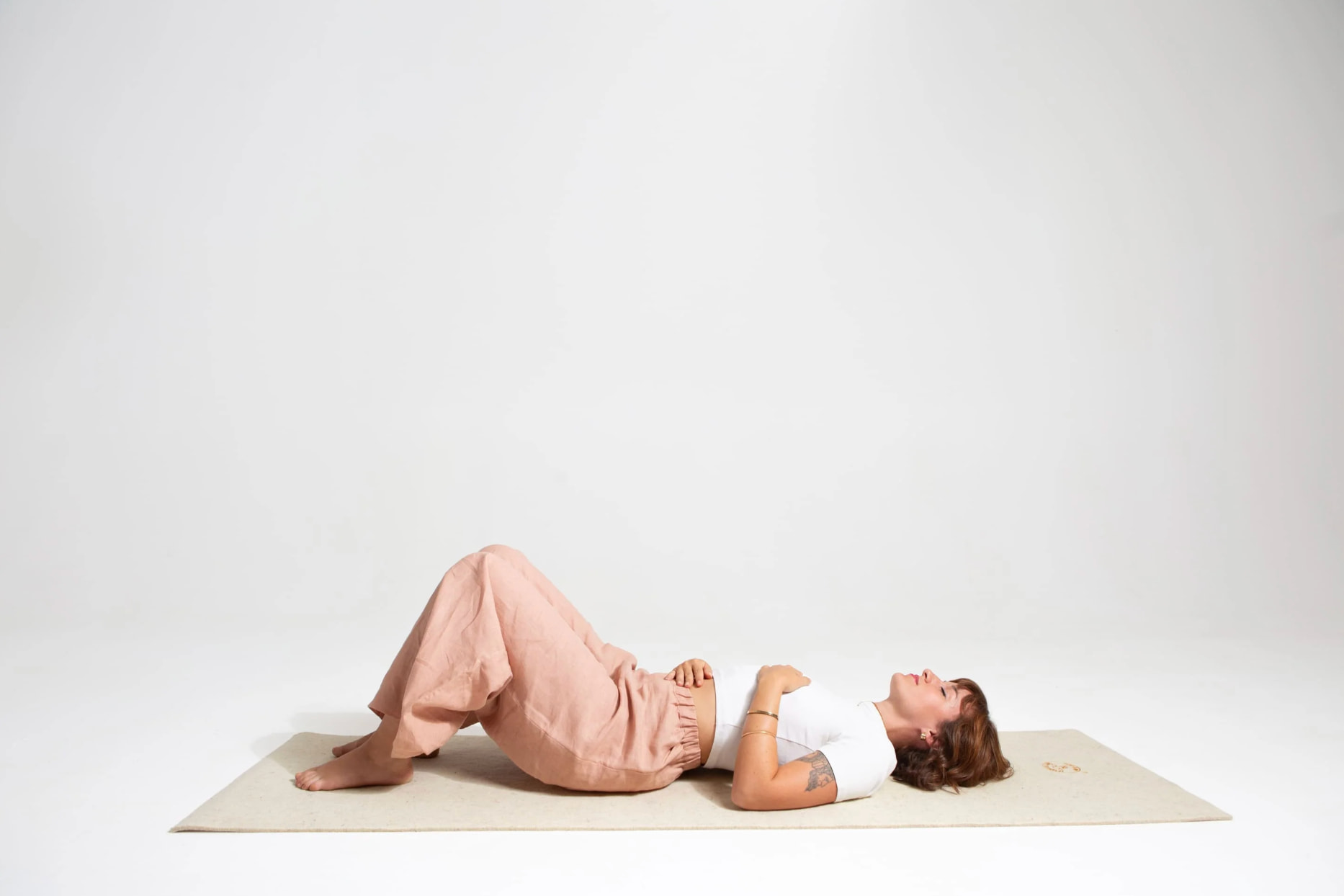
Restorative yoga in the evening (15 minutes). Long-held postures on the floor, with support under the knees or back: this is the best-documented format for lowering perceived stress at the end of the day.
Yoga nidra once or twice a week (20 minutes). This guided relaxation, done lying down and studied notably in a 2025 randomised trial on subjective well-being, is a useful complement to a more active, posture-based practice.
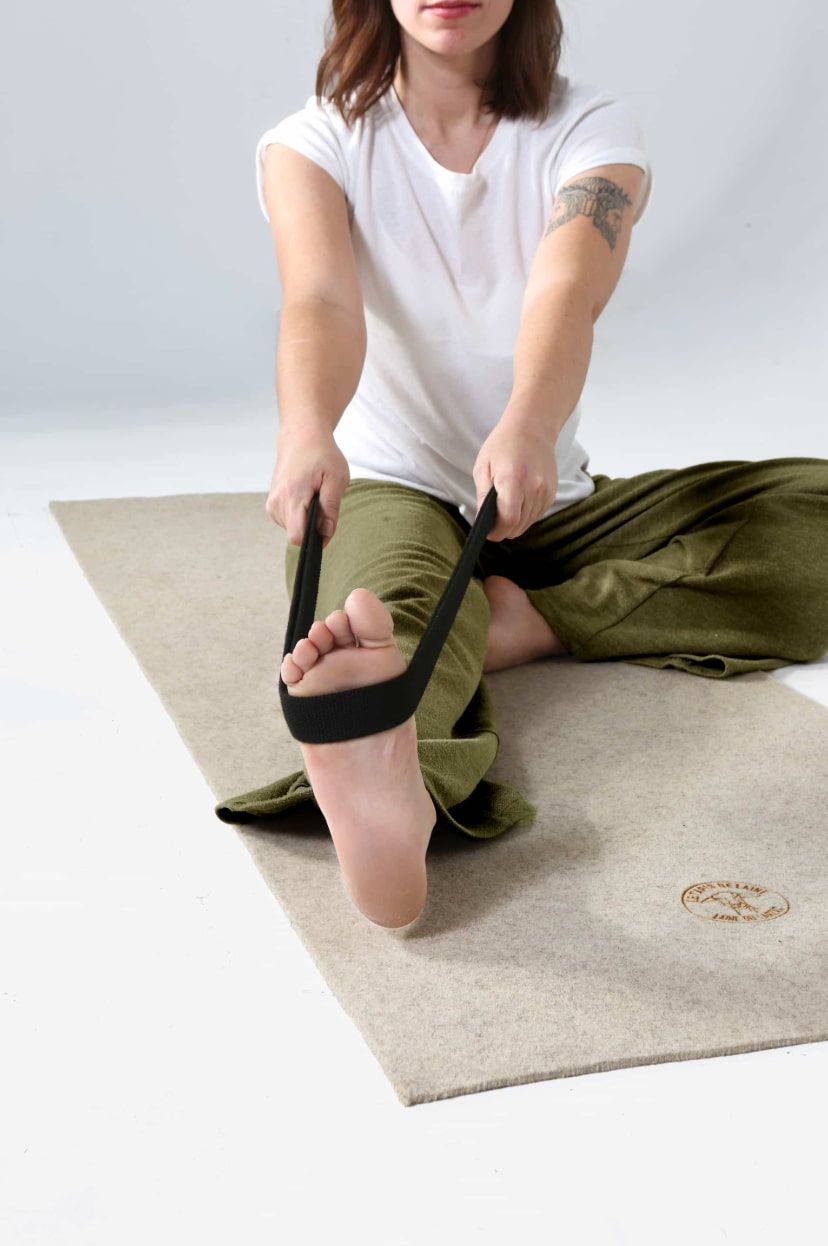
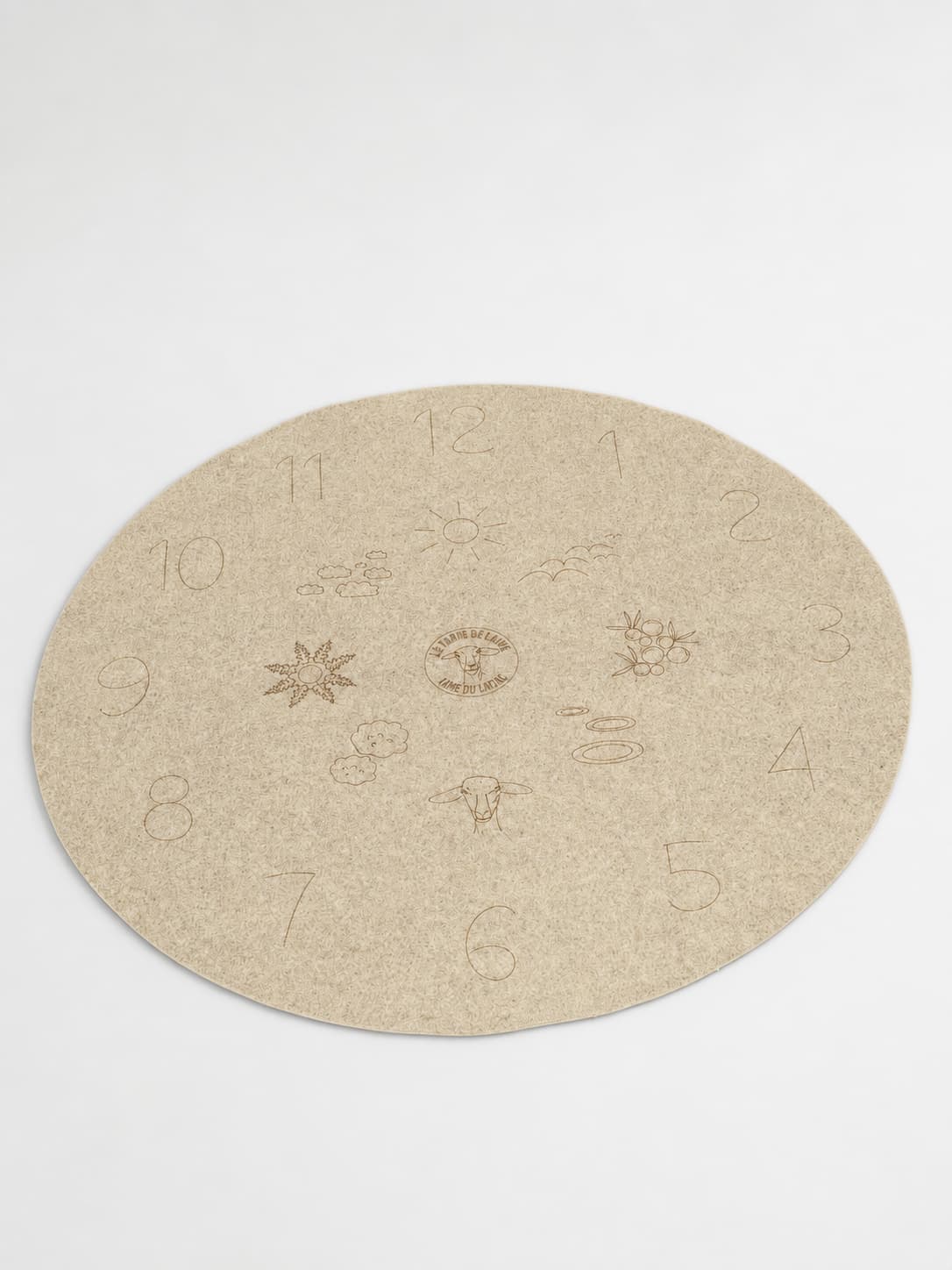
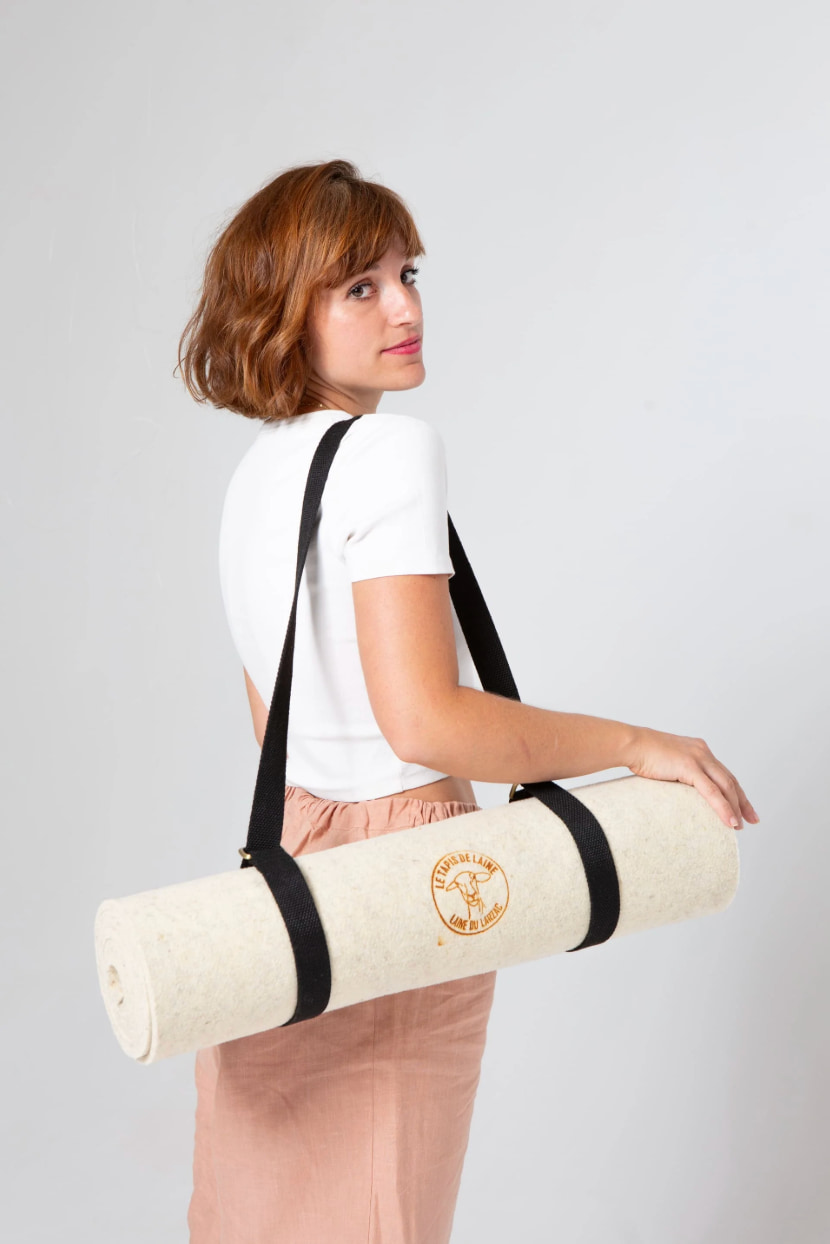
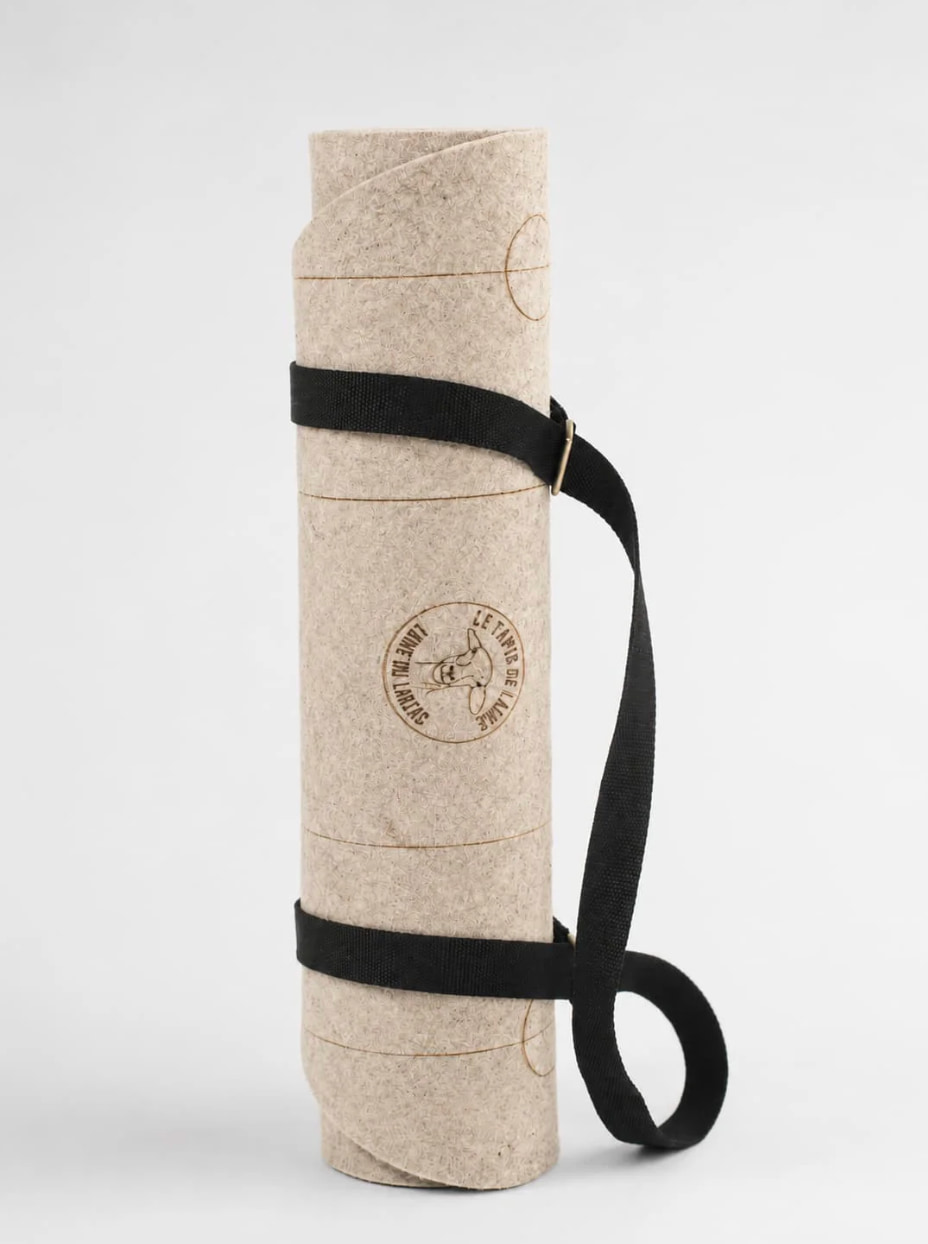
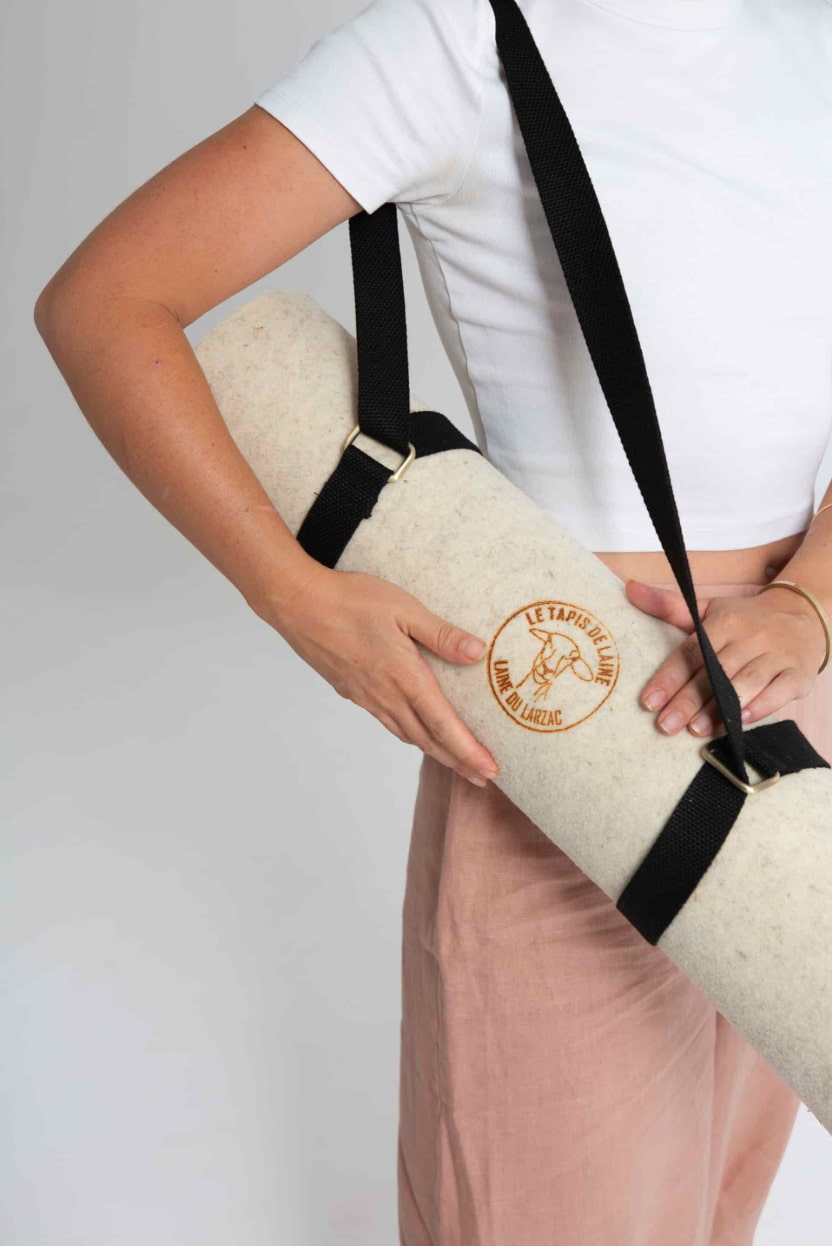
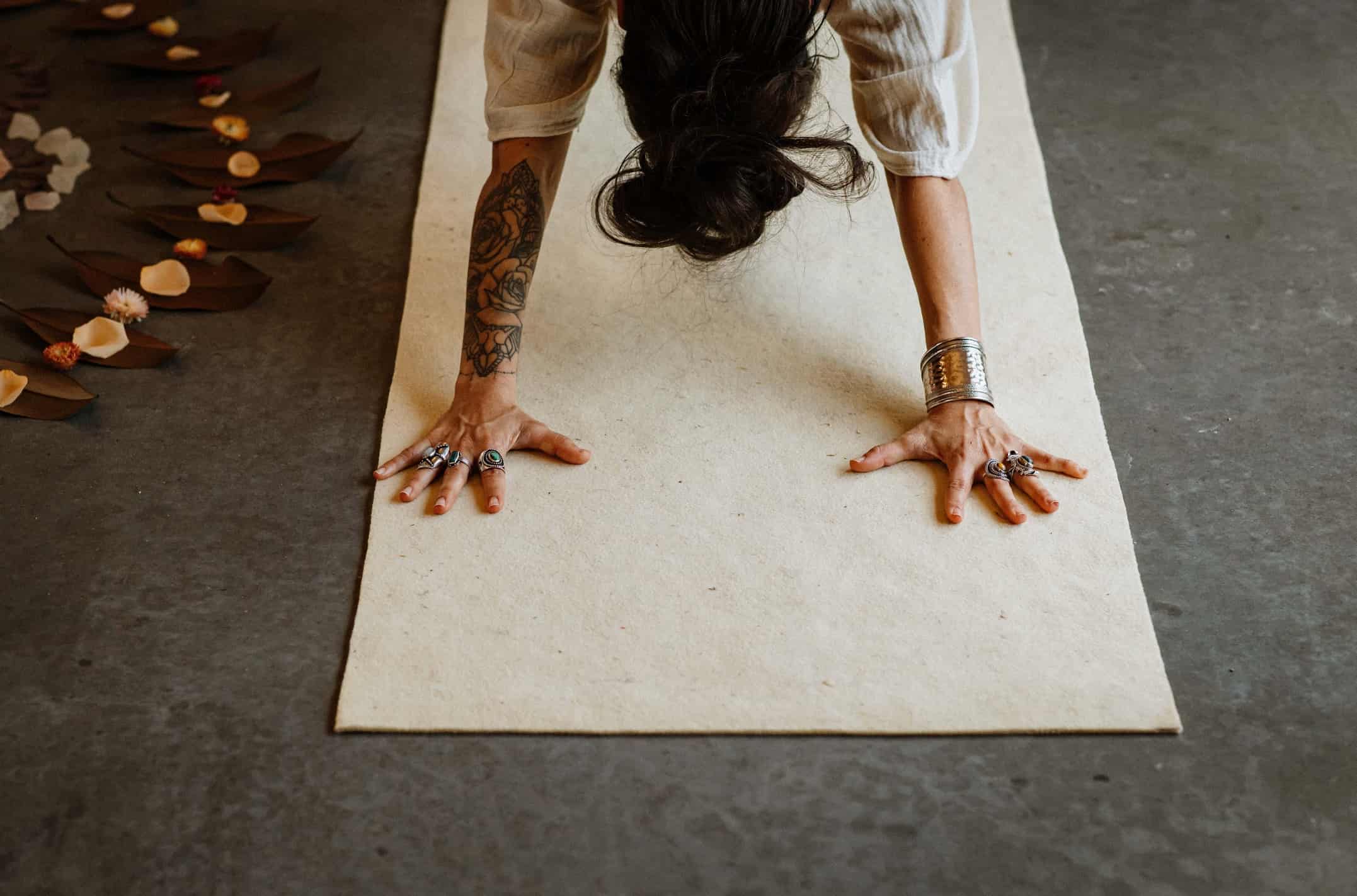
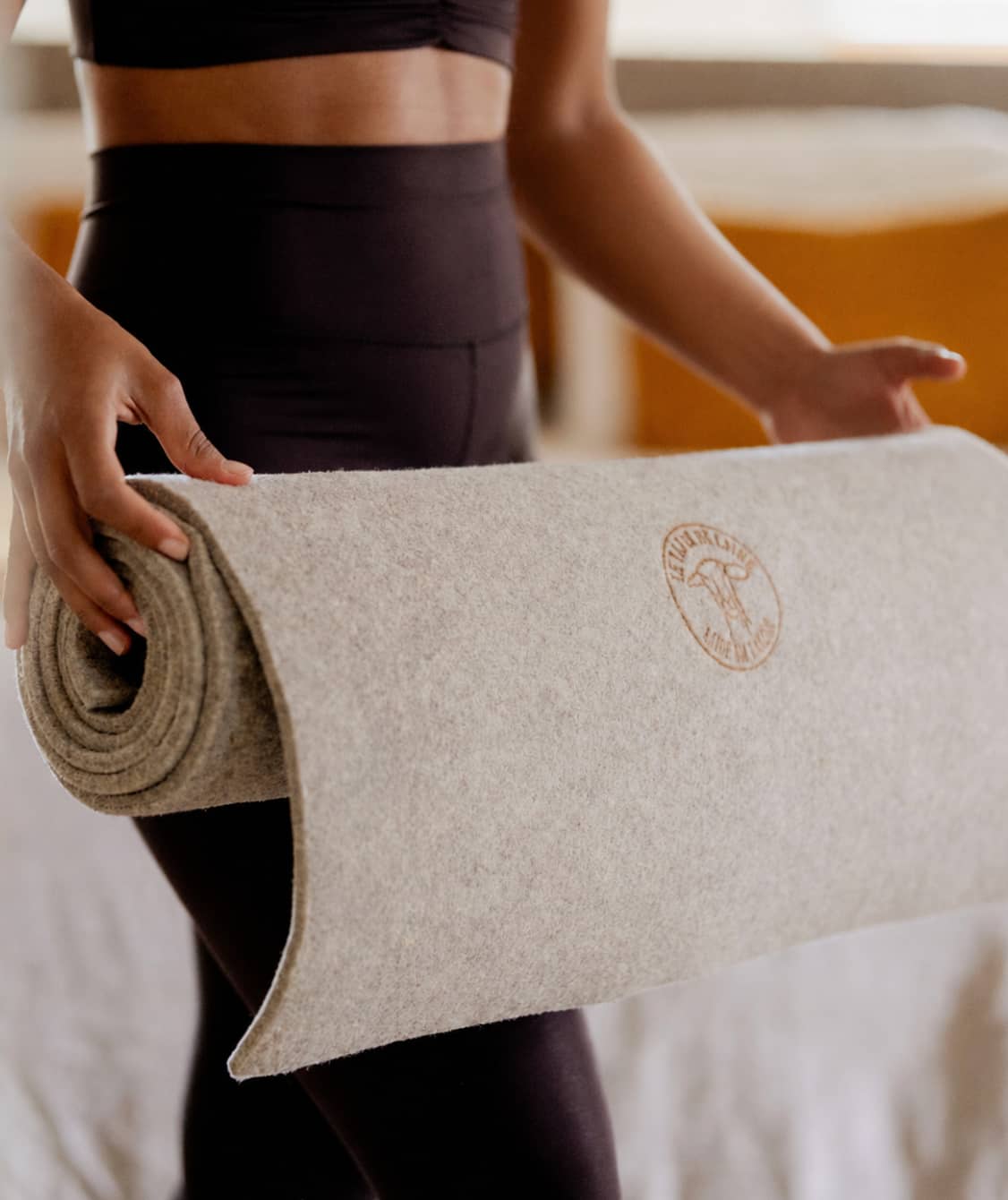
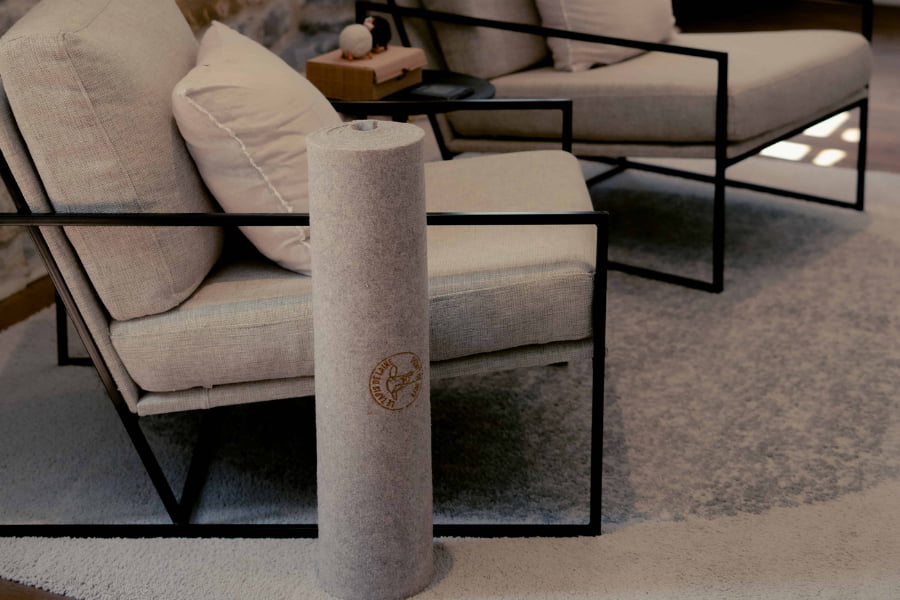
For these floor-based formats, the comfort of what you practise on matters as much as the posture itself: a stable mat that insulates you from the cold returning with autumn, like our wool mats, makes a real difference to how a long, static session feels.
Frequently asked questions about yoga and back-to-school stress
How much practice does it take to feel an effect on stress?The studies cited here cover programmes lasting from several weeks to several months. Within a single session, the effect on perceived stress is immediate; for a more lasting change, count on regular practice for at least 3 to 4 weeks.
Can yoga replace psychological support in cases of significant anxiety?No. The researchers cited emphasise that yoga complements professional support, without replacing it, in cases of a confirmed anxiety disorder. Beyond a few weeks of marked distress, seeing a professional remains the recommended first step.
Which style of yoga is best during a stressful period?Gentle, breath-centred styles (hatha, restorative yoga, yoga nidra) account for most of the positive results on stress in the studies. More dynamic practices (vinyasa, ashtanga) are still beneficial but have mainly been documented for physical fitness.

.svg)


How we make things
.avif)
5 mat Pilates exercises to get started at home
Pilates mats: why choose a wool mat?
Yoga nidra: why this practice is booming in 2026

Back-to-school season: how to set up a comfortable play corner for your baby
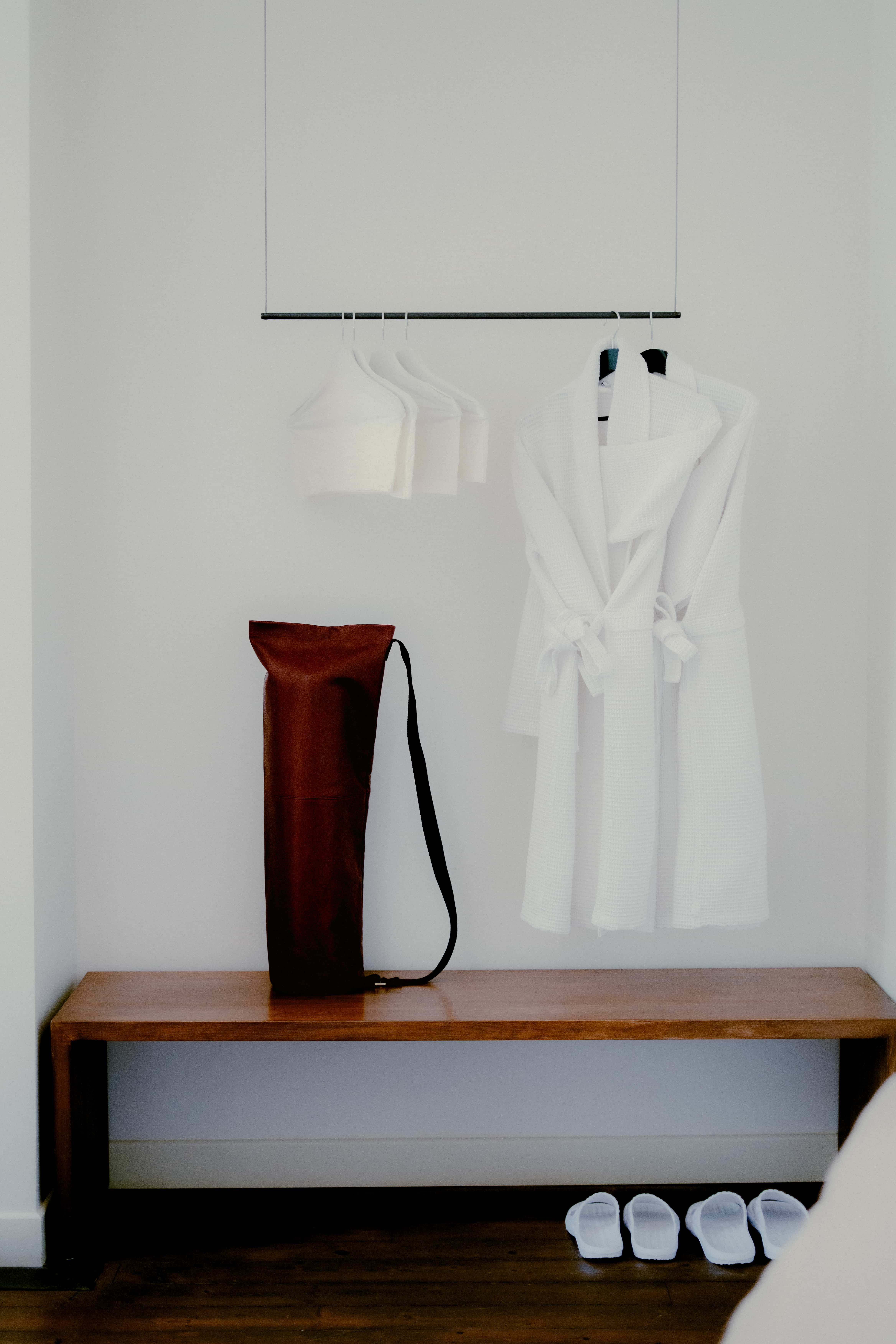
Yoga mats: the 2026 trends to know about
Yoga for back-to-school stress: what the science really recommends
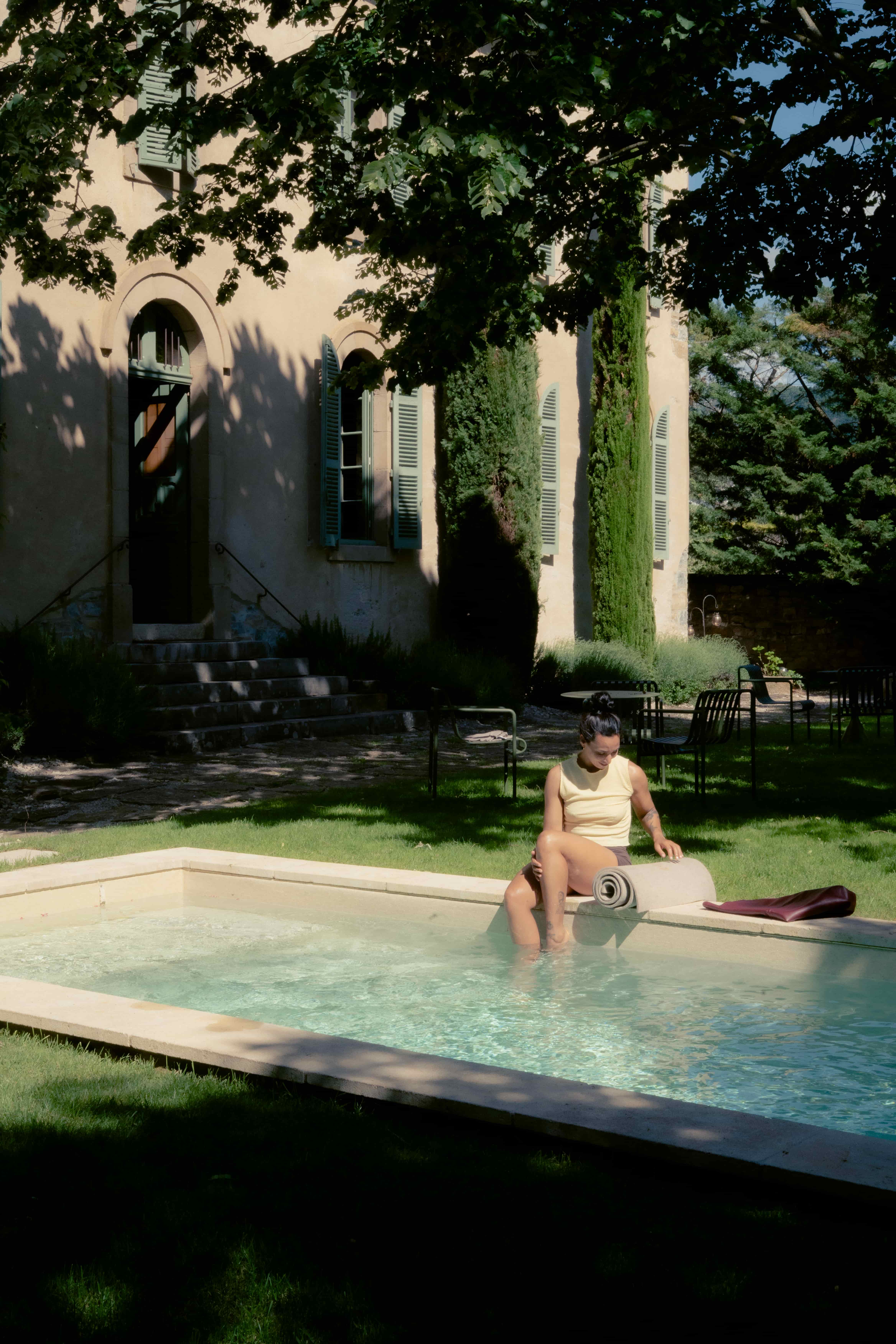
What thickness should you choose for your yoga mat?
.png)
Baby's sensory development on a wool play mat: what the science says (0–12 months)
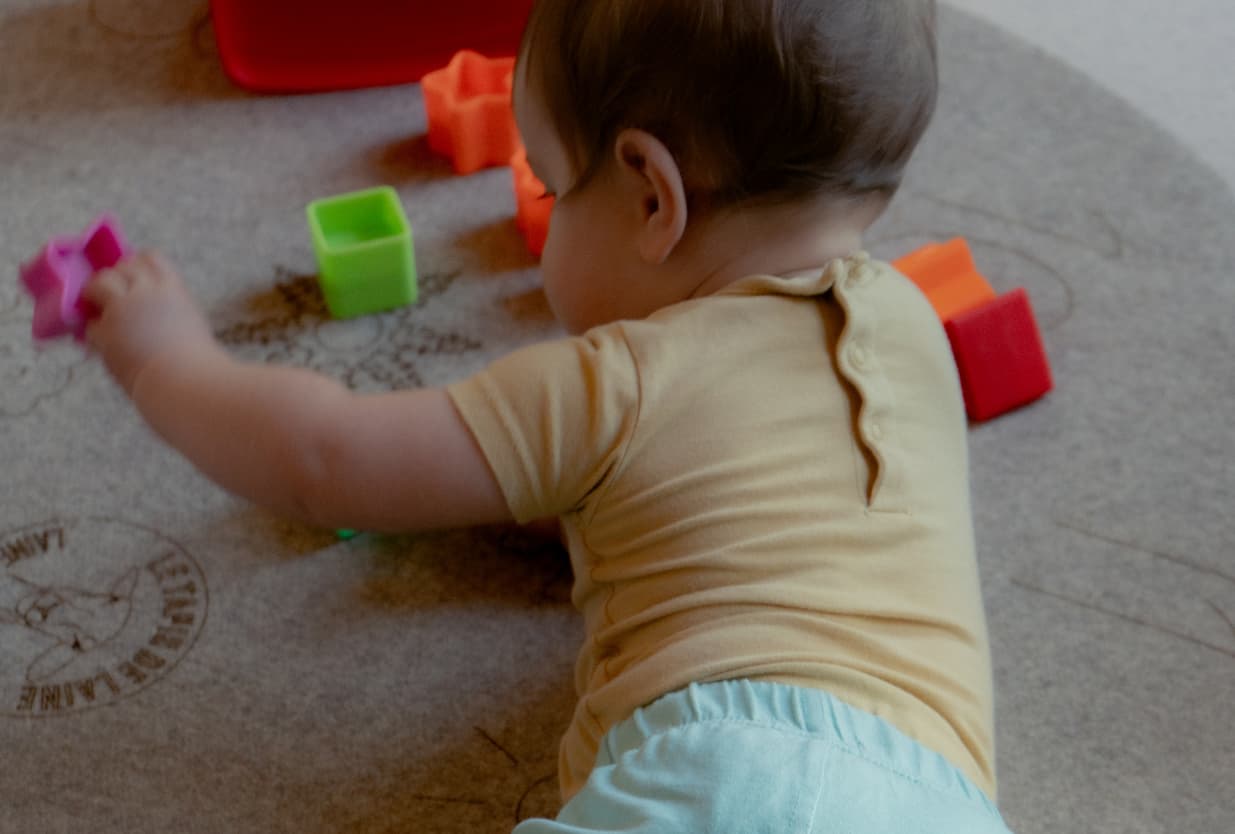
Wool or synthetic play mat: what the numbers show
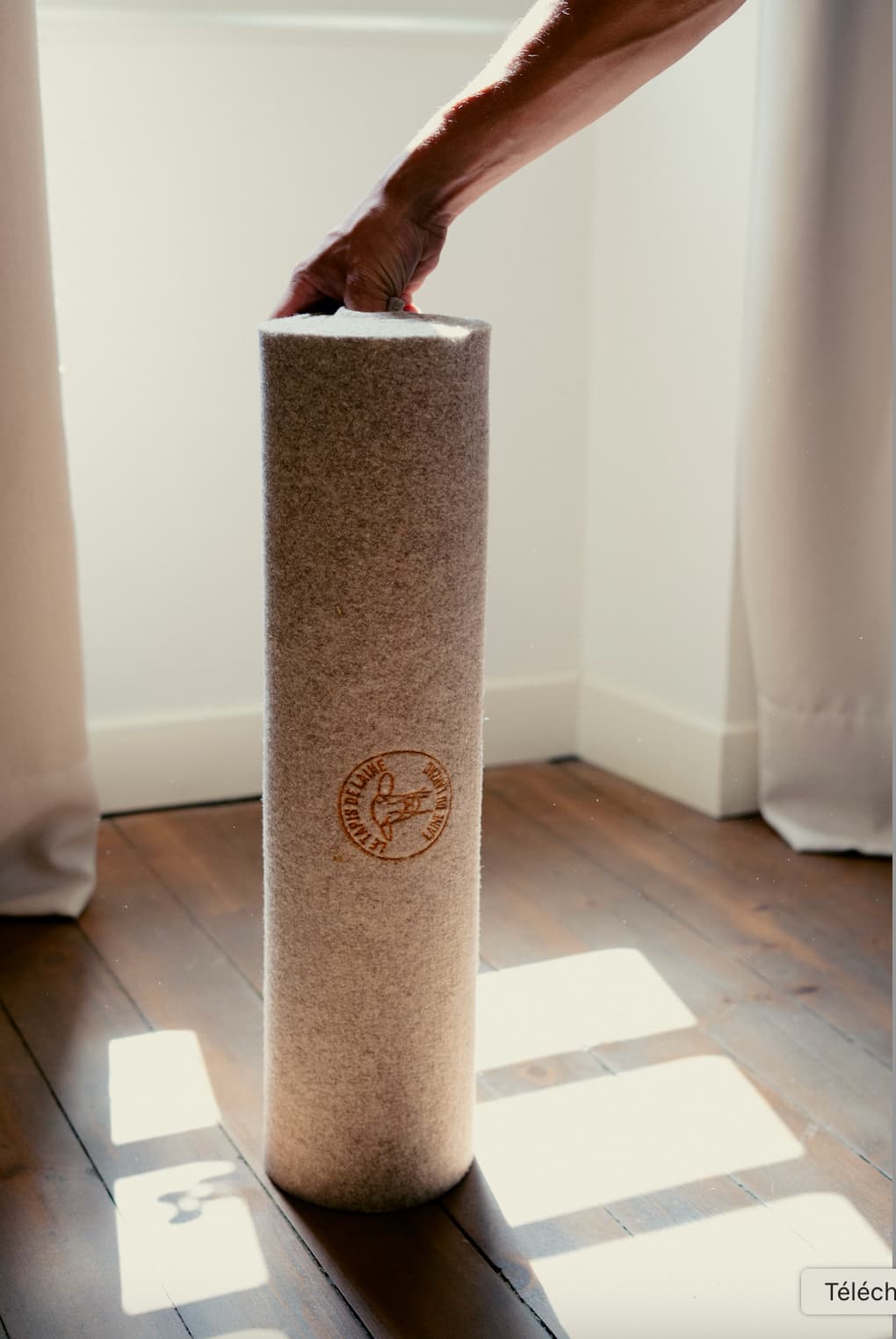
Natural yoga mats: wool, cork, jute or rubber — which should you choose?
.jpg)
Why wool is the best-performing material for a yoga mat
Which yoga mat should you choose for your practice: yoga, pilates or meditation?

.svg)
.svg)
.svg)
.svg)
.svg)
.svg)