.avif)

.svg)
Autumn yoga: 6 poses to ease into the change of season
.jpg)
The days are getting shorter, the light is fading and the body asks to slow down. Autumn is a season of transition: it is the right time to adapt your yoga practice, with gentler, more grounded and more inward-looking sessions.
Why adapt your yoga to autumn?
After the energy of summer and the bustle of the September return, autumn invites you to come back to yourself. Many people feel more tired, scattered or sensitive to the cold at this time of year.
An autumn practice focuses on three things:
- Grounding: stable poses, firmly rooted on the floor, so you feel solid.
- Gentleness: slow movements, without forcing, listening to your body.
- Cosiness: a warm, comforting moment that does you good when it is grey outside.
Create a cosy yoga corner
To feel like practising when it is cold, the atmosphere matters. Choose a quiet corner, soft lighting (a candle, a warm lamp) and comfortable clothes.
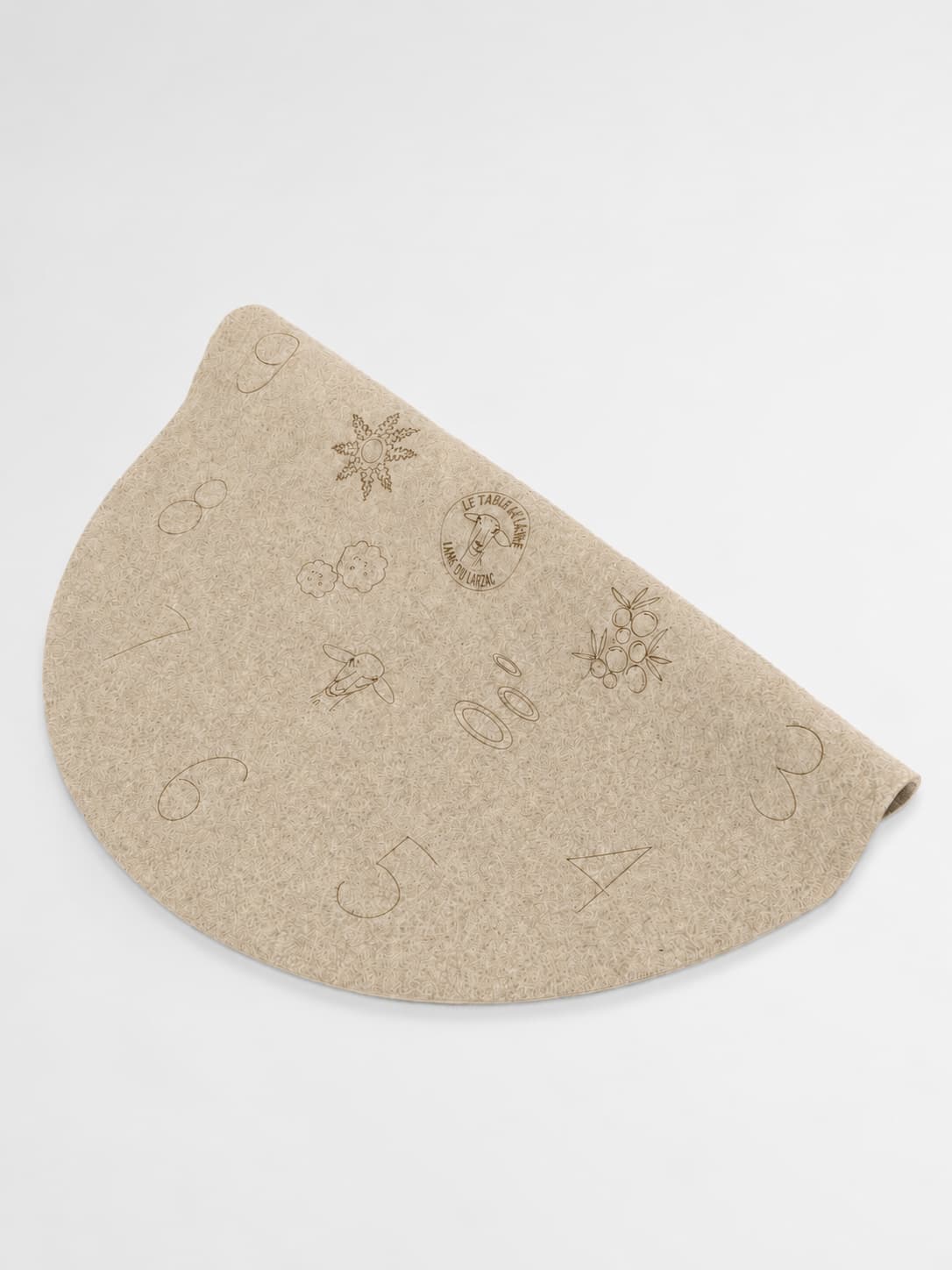
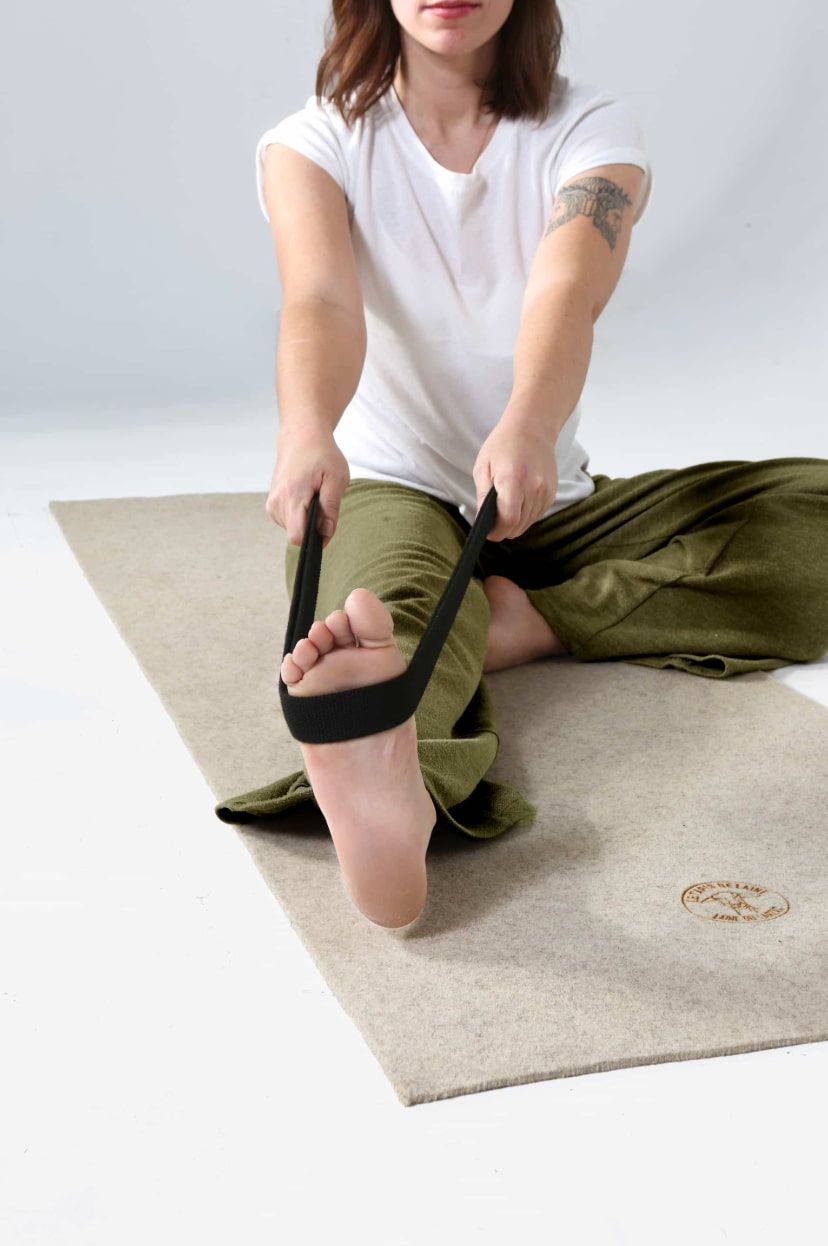
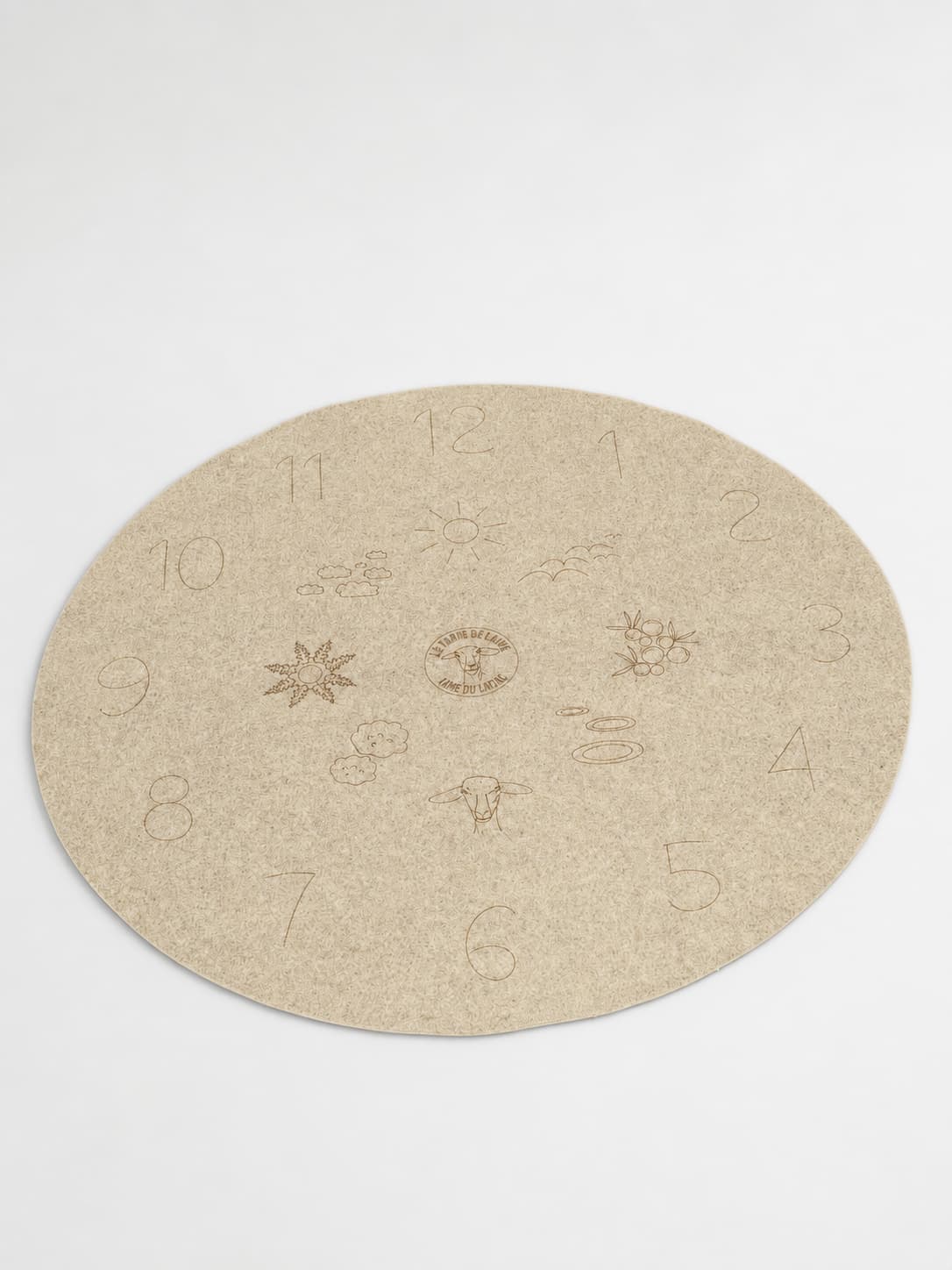
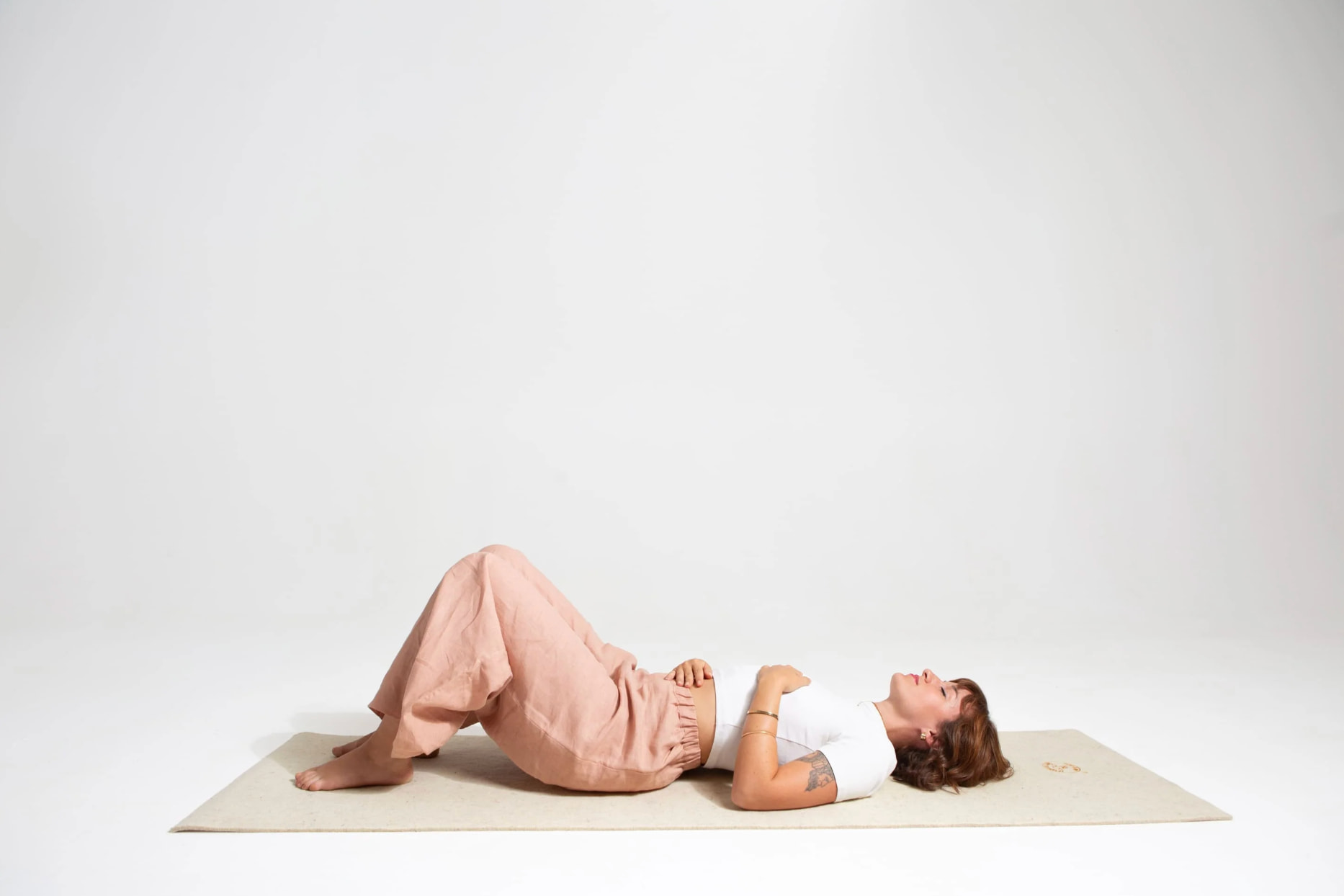
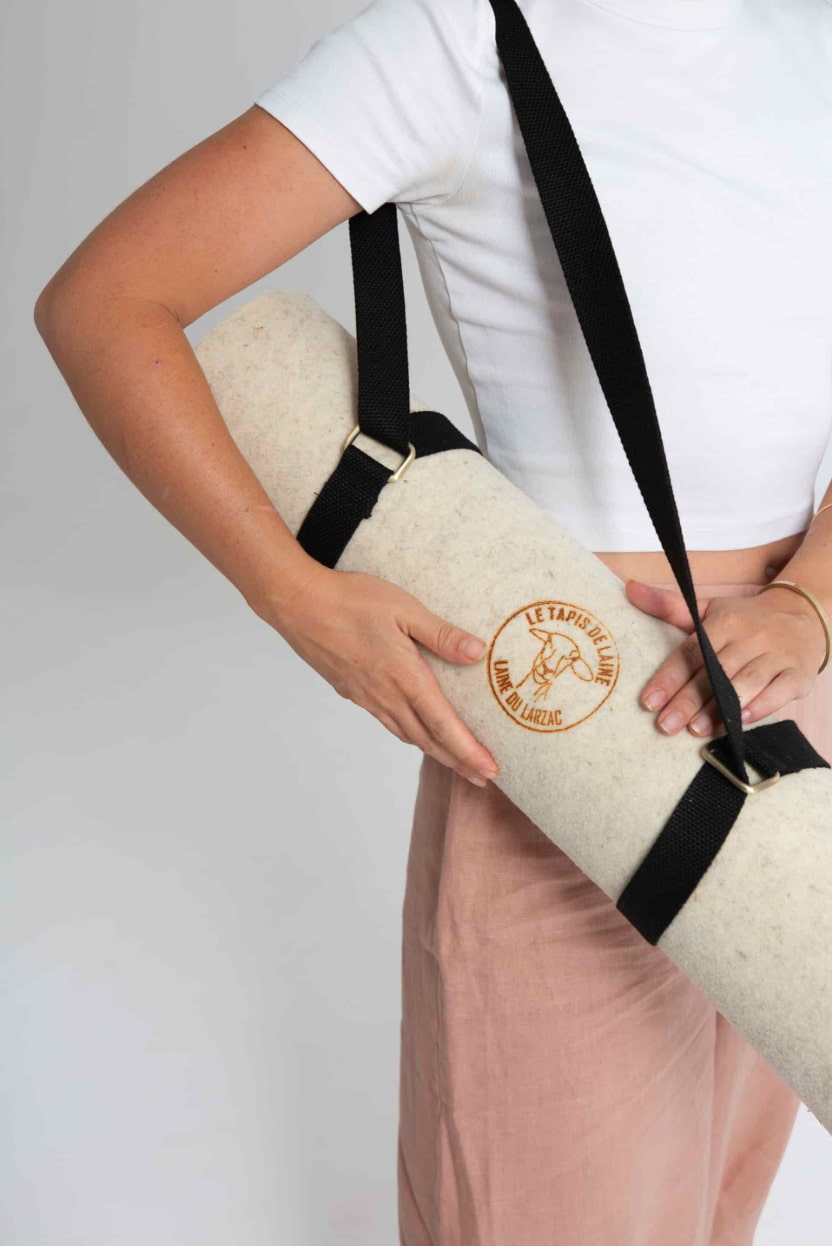
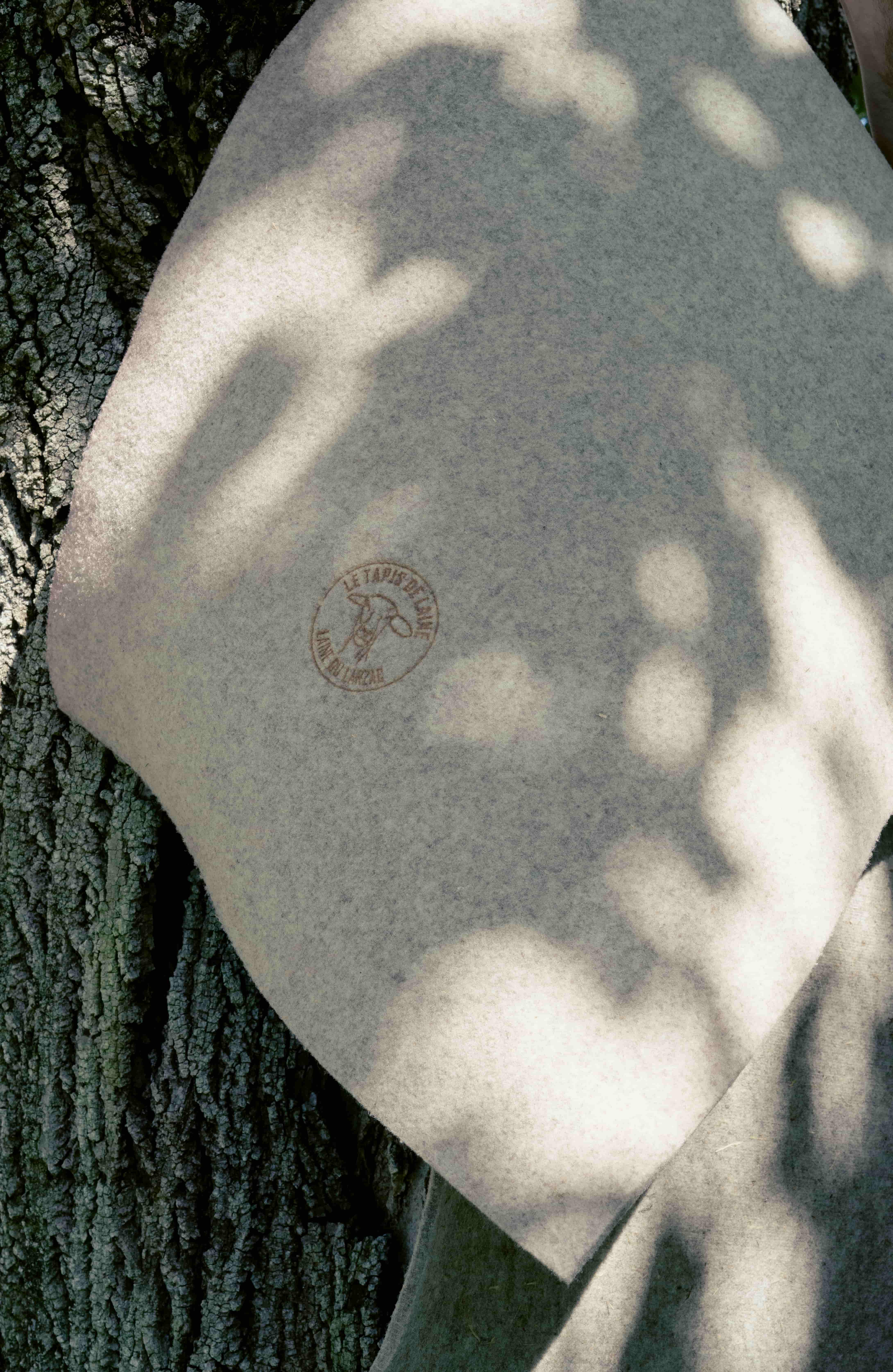
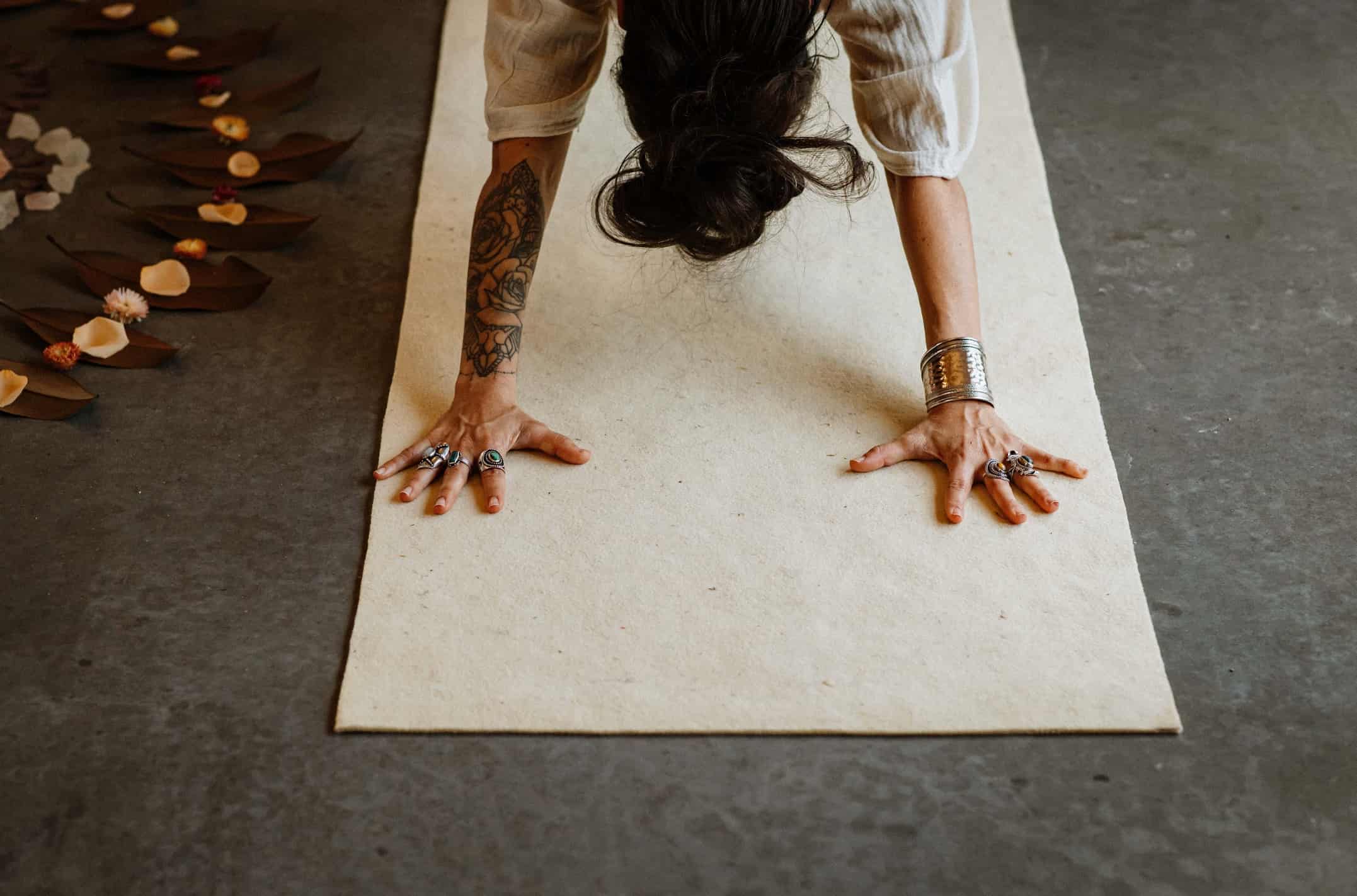
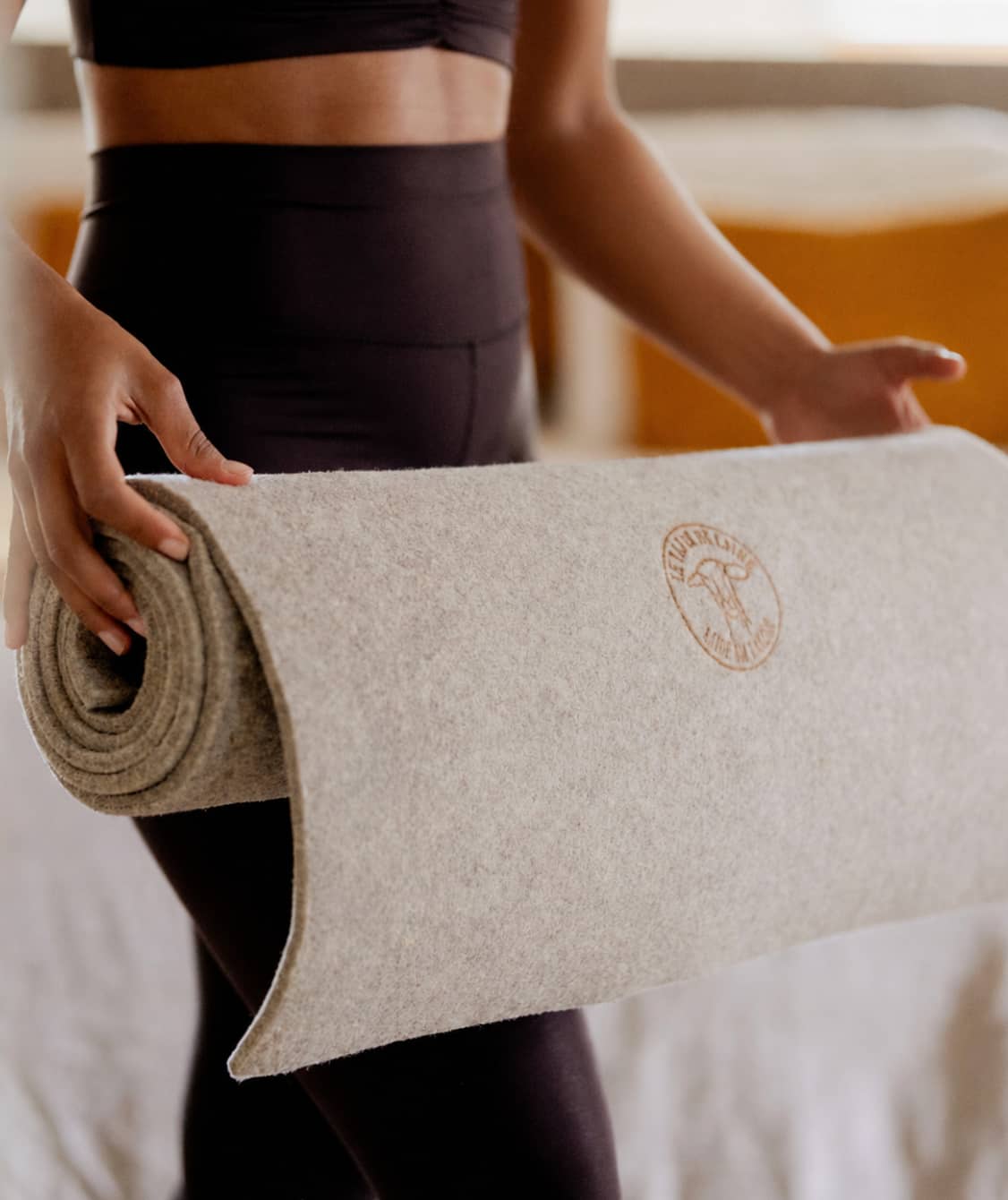
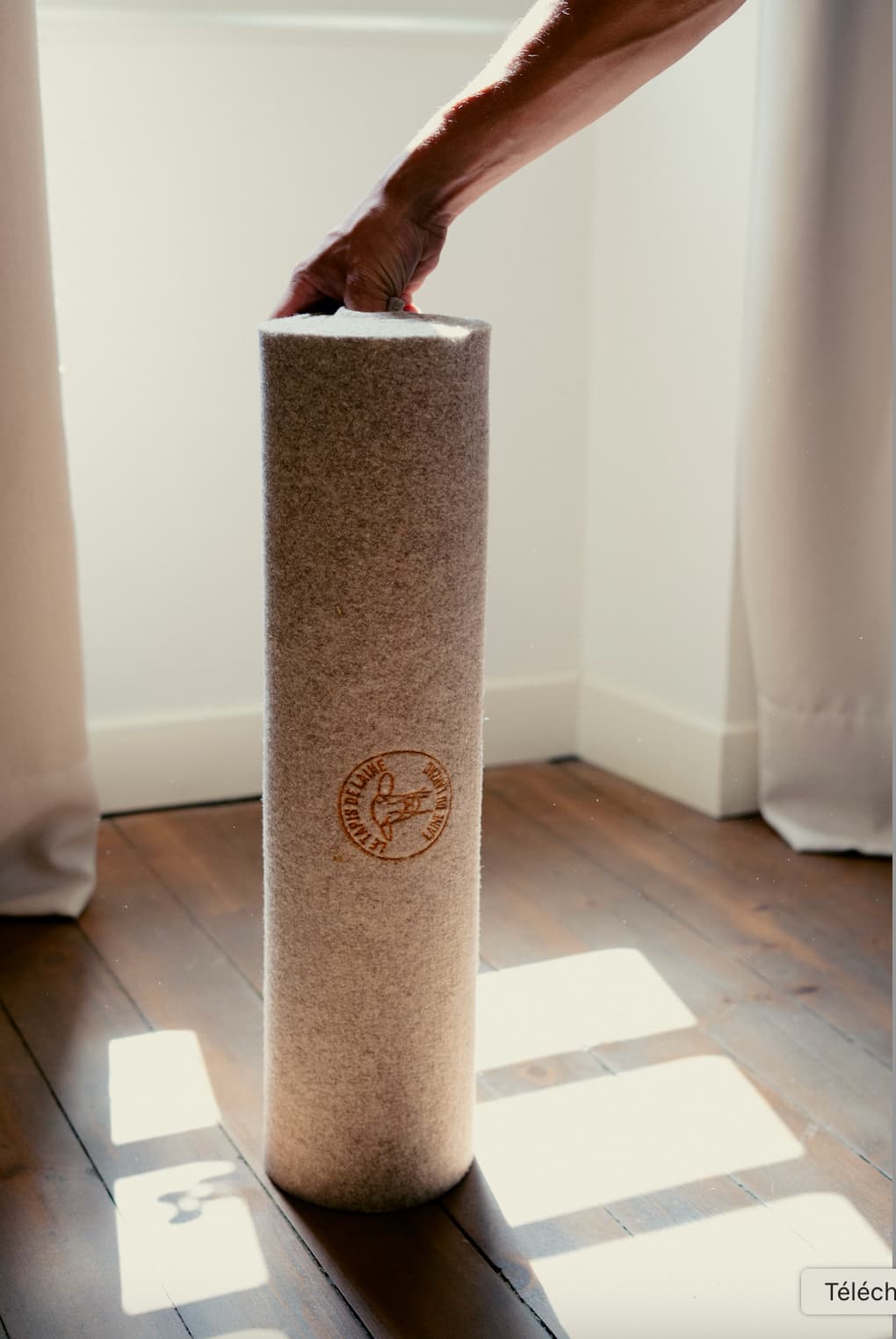
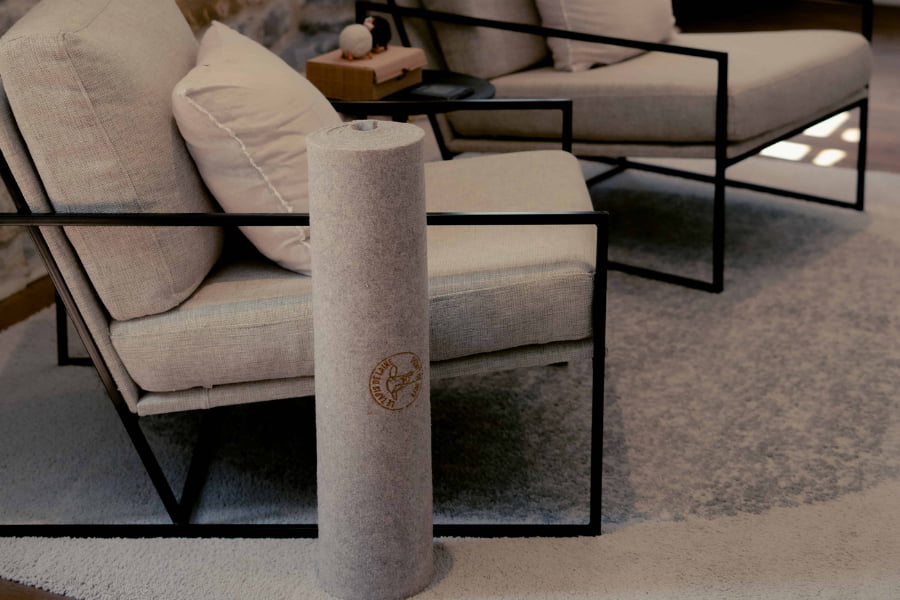
The mat makes all the difference. A wool yoga mat feels warm to the touch, even on a cold floor. Wool naturally regulates temperature: you do not get that cold feeling when you lie down, nor a sticky feel during your session.
6 yoga poses for autumn
1. Child's pose (Balasana)
Kneel with your big toes touching and your knees apart. Sit back on your heels and stretch your upper body forward, forehead on the floor. Stay for 1 to 2 minutes, breathing slowly. It is the ideal pose to begin your session and refocus.
2. Cat and cow
On all fours, hands under your shoulders and knees under your hips. As you breathe in, arch your back and lift your gaze. As you breathe out, round your back and tuck your chin. Do 8 to 10 rounds to gently wake up your spine. On a wool mat, your knees stay well protected.
3. Warrior II (Virabhadrasana II)
Standing with your legs wide apart, turn your front foot out and bend your front knee over your ankle. Open your arms out horizontally and look over your front hand. Hold for 5 breaths on each side. This pose builds strength and grounding.
4. Tree pose (Vrksasana)
Standing, place the sole of one foot against the inside of your ankle, calf or thigh (never on the knee). Bring your hands together in front of your chest and fix your gaze on a point in front of you. Hold for 5 breaths on each side. Like a tree that loses its leaves but keeps its roots, you work on balance and stability.
5. Supine twist
Lying on your back, draw your knees towards your chest, then let them drop to one side. Open your arms out wide and turn your head the other way. Stay for 1 minute on each side. This gentle twist releases your back and calms you.
6. Legs up the wall (Viparita Karani)
Lie down close to a wall and raise your legs vertically against it. Let your arms rest alongside your body and close your eyes. Stay for 3 to 5 minutes. It is a perfect recovery pose at the end of the day.
End with a moment of relaxation
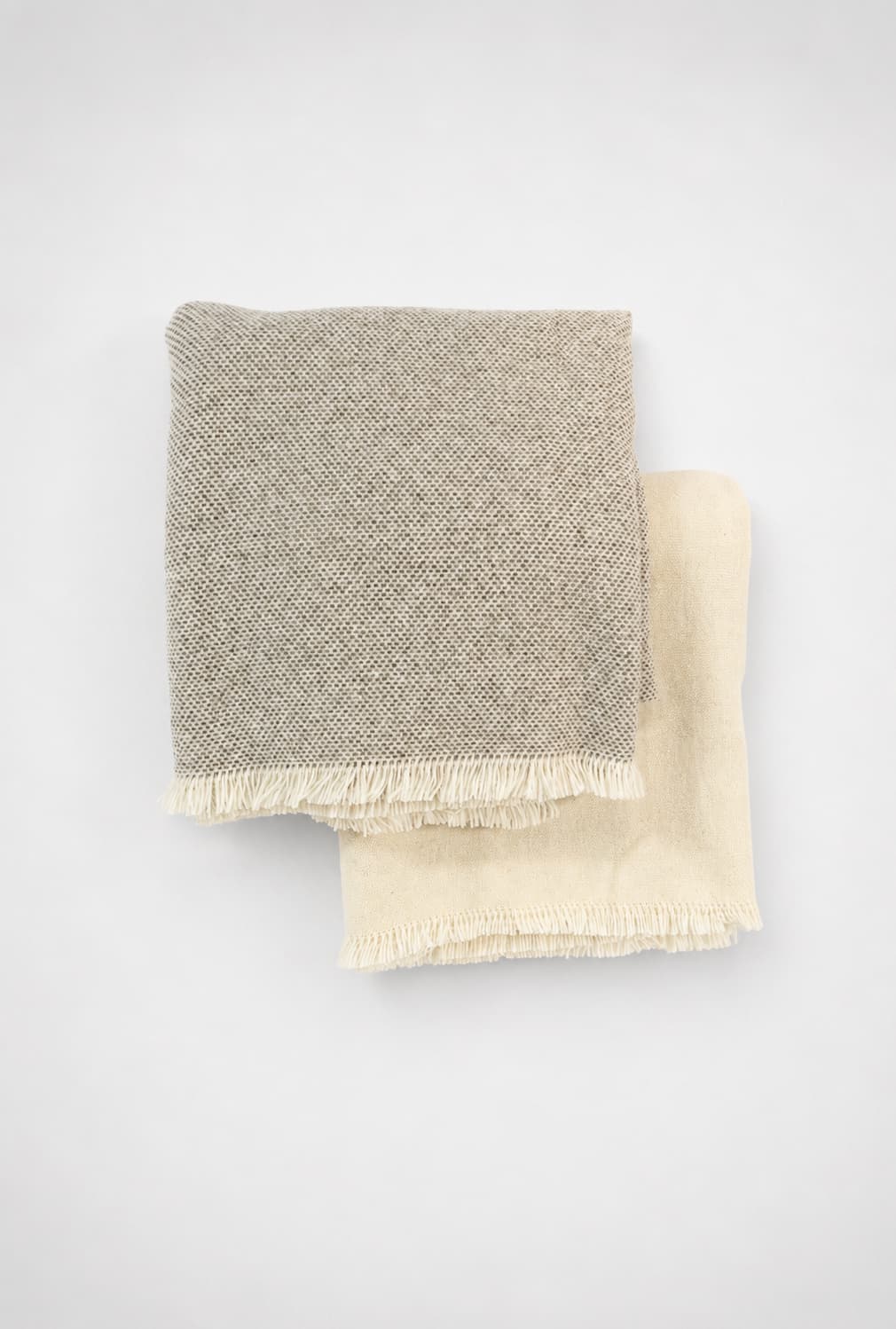
Always finish with a few minutes in Savasana: lying on your back, arms and legs relaxed, eyes closed. In autumn, the body cools down quickly during relaxation. Cover yourself with a wool throw to stay warm and make this calm moment last.
The wool mat, a companion for the colder seasons
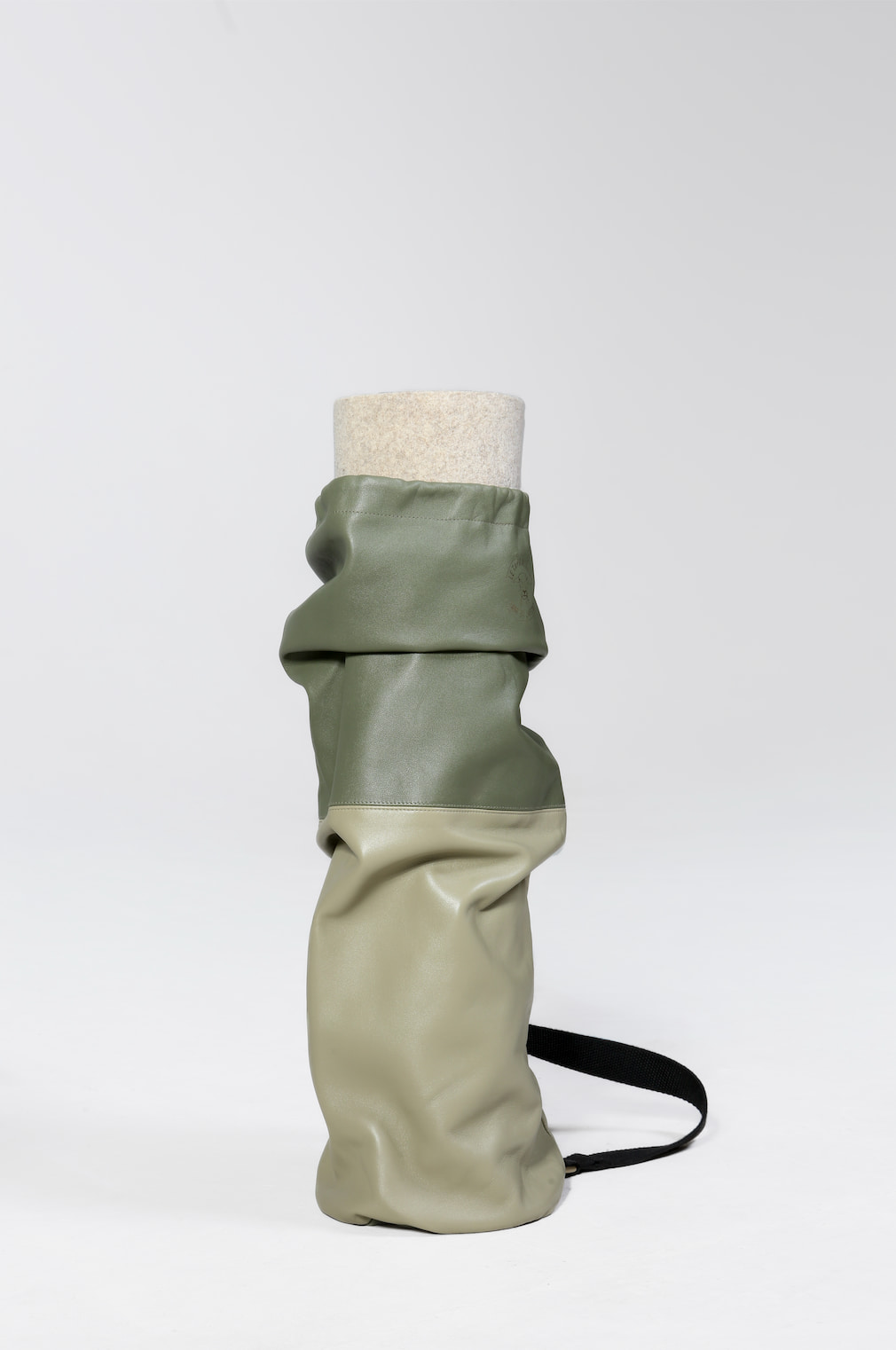
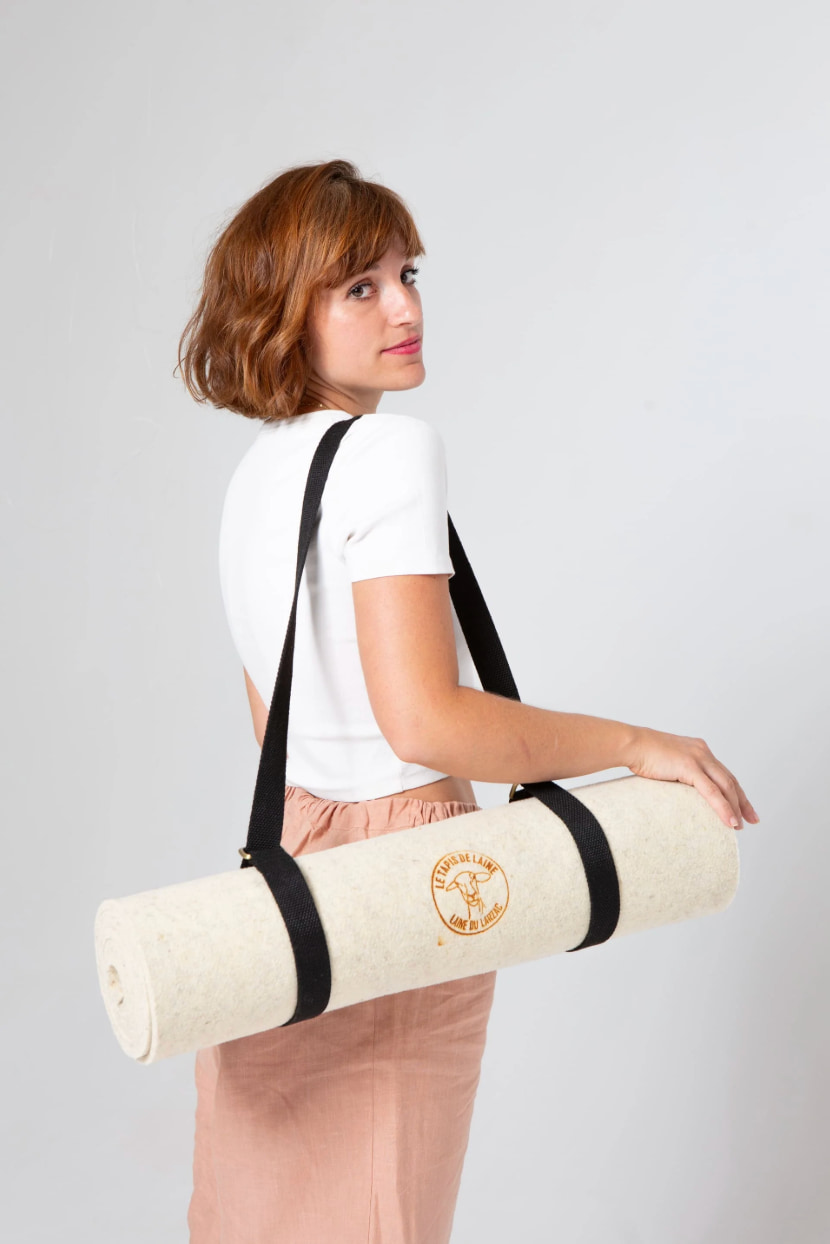
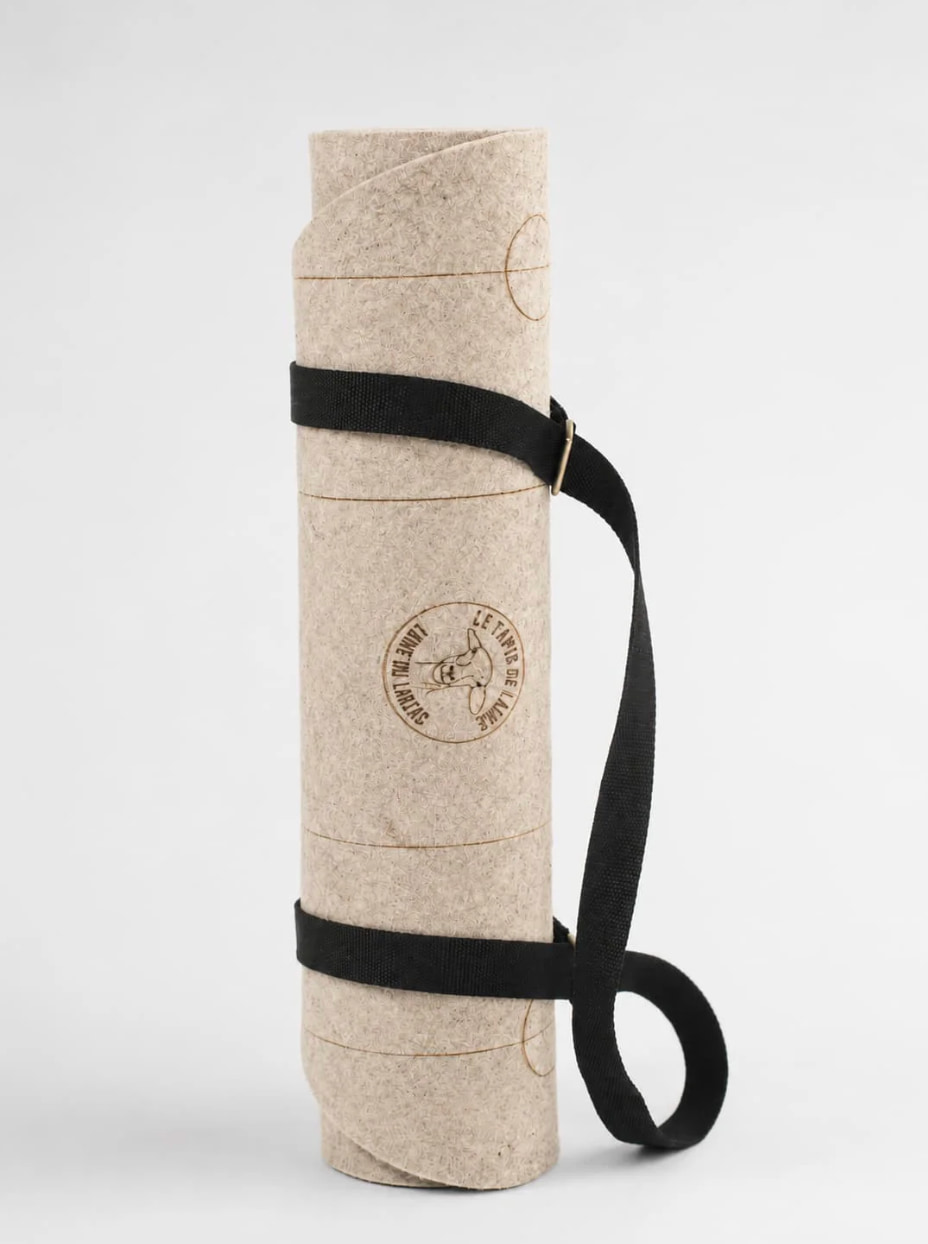
Our wool yoga mat is made in Saint-Affrique from Larzac wool. In autumn and winter, its qualities make even more of a difference:
- Warm to the touch, even on cold tiles or floorboards.
- A breathable material, so you stay comfortable throughout your session.
- Natural cushioning for floor poses, knees and back.
- A beautiful object you can leave rolled out in your cosy corner.
FAQ: yoga in autumn
What type of yoga should you practise in autumn?
Favour gentle, grounding practices: hatha yoga, yin yoga or restorative yoga. Keep dynamic sessions for the days when you need energy.
What time of day should you practise?
In the morning, to get off to a good start despite the lack of light. Or in the evening, to release tension before bed. What matters is regularity.
How long should a session last?
20 minutes is enough. Go through the 6 poses in this article, then finish with 5 minutes of relaxation.

.svg)


How we make things
.avif)
Autumn yoga: 6 poses to ease into the change of season
5 mat Pilates exercises to get started at home
Pilates mats: why choose a wool mat?
Yoga nidra: why this practice is booming in 2026

Back-to-school season: how to set up a comfortable play corner for your baby
Yoga mats: the 2026 trends to know about
%20(1)%20(1).jpg)
Yoga for back-to-school stress: what the science really recommends
What thickness should you choose for your yoga mat?
.png)
Baby's sensory development on a wool play mat: what the science says (0–12 months)
Wool or synthetic play mat: what the numbers show
Natural yoga mats: wool, cork, jute or rubber — which should you choose?
.jpg)
Why wool is the best-performing material for a yoga mat
Which yoga mat should you choose for your practice: yoga, pilates or meditation?

.svg)
.svg)
.svg)
.svg)
.svg)
.svg)