.avif)

.svg)
Yoga mats: the 2026 trends to know about
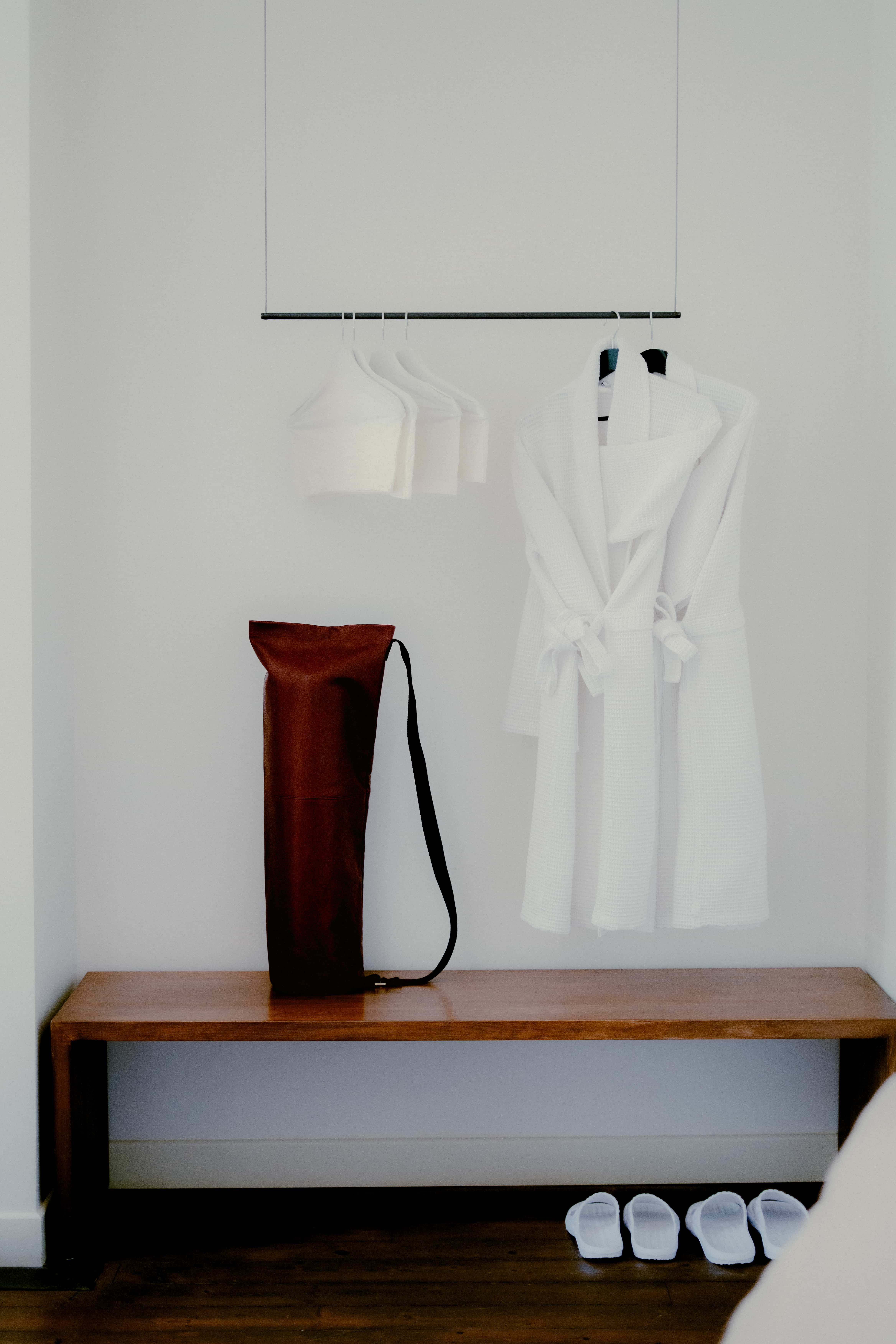
In 2026, three shifts are reshaping the yoga mat: the rise of natural materials such as wool, cork and rubber, the arrival of alignment guides printed directly on the surface, and growing demand for foldable, lightweight models. These changes reflect a yoga practice that is itself evolving, driven less by flexibility than by stress management.
A steadily growing market
The global yoga mat market was worth $13.6 billion in 2023 and is expected to reach $15.1 billion in 2026, with average annual growth of 3.6% until 2030, according to Grand View Research. PVC remains the best-selling material, with a 38.9% market share, but the rubber segment is the one growing fastest, at 4.8% a year.
In France, 4.9 million people practised yoga in 2025, compared with 3.4 million four years earlier, according to the Kantar Media study. Growth is slowing after the post-pandemic peak, but the base of practitioners remains broad and is still expanding.
Trend 1: natural materials become the norm
Cork is establishing itself as the star material of 2026, according to TheYogaMats.com, which reports a sharp rise in searches for cork and jute. It offers natural grip that improves with moisture, a sought-after advantage in dynamic styles such as vinyasa.
Natural rubber, from the rubber tree, is also gaining ground thanks to its biodegradability and superior grip. It is still heavier than PVC or TPE, however, a trade-off that many practitioners now accept.
TPE, meanwhile, wins people over with its lightness and the absence of phthalates. It does not share the plant origin of cork or rubber, but remains the most affordable PVC-free option, according to a comparison by Le Kaba.
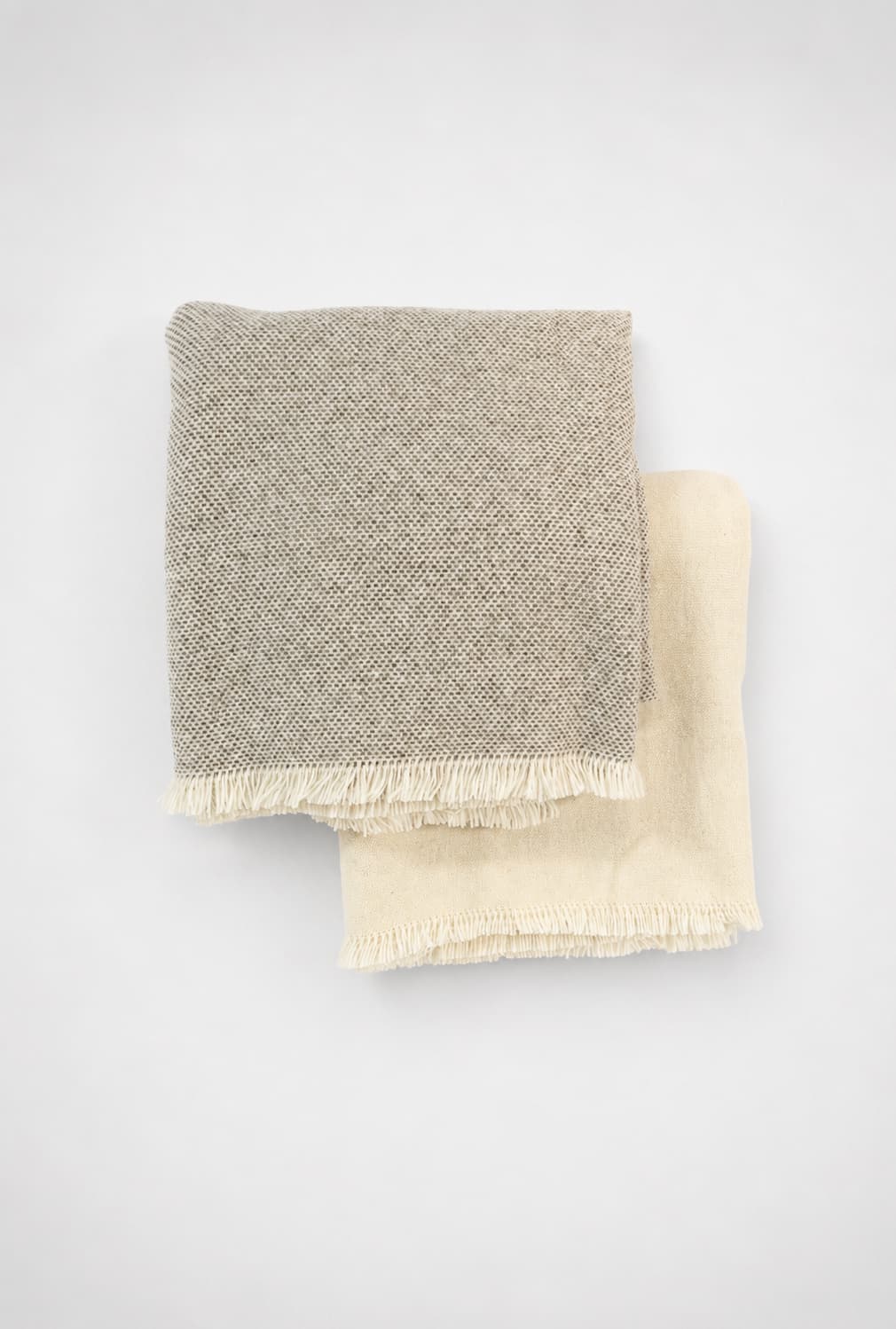
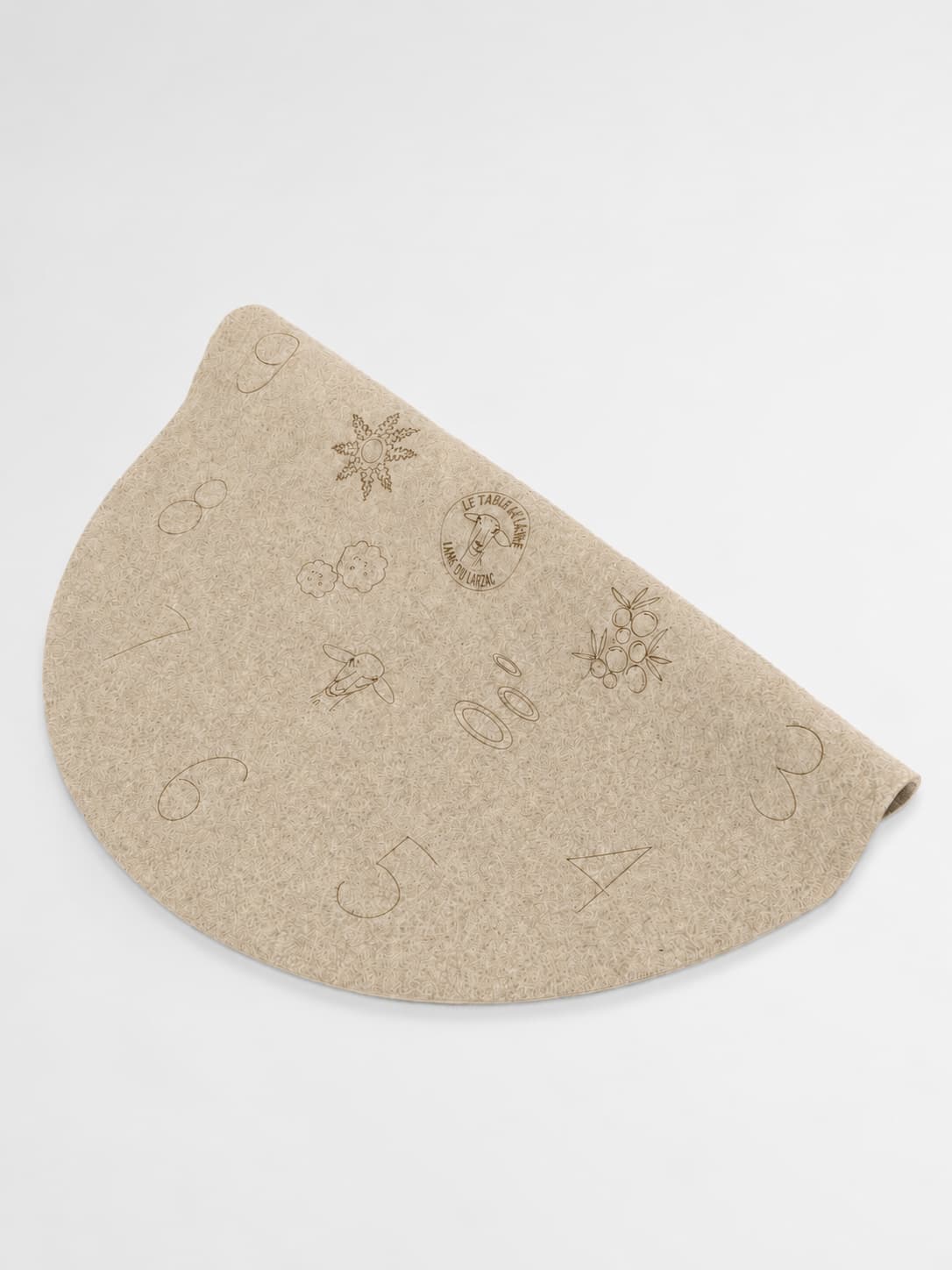
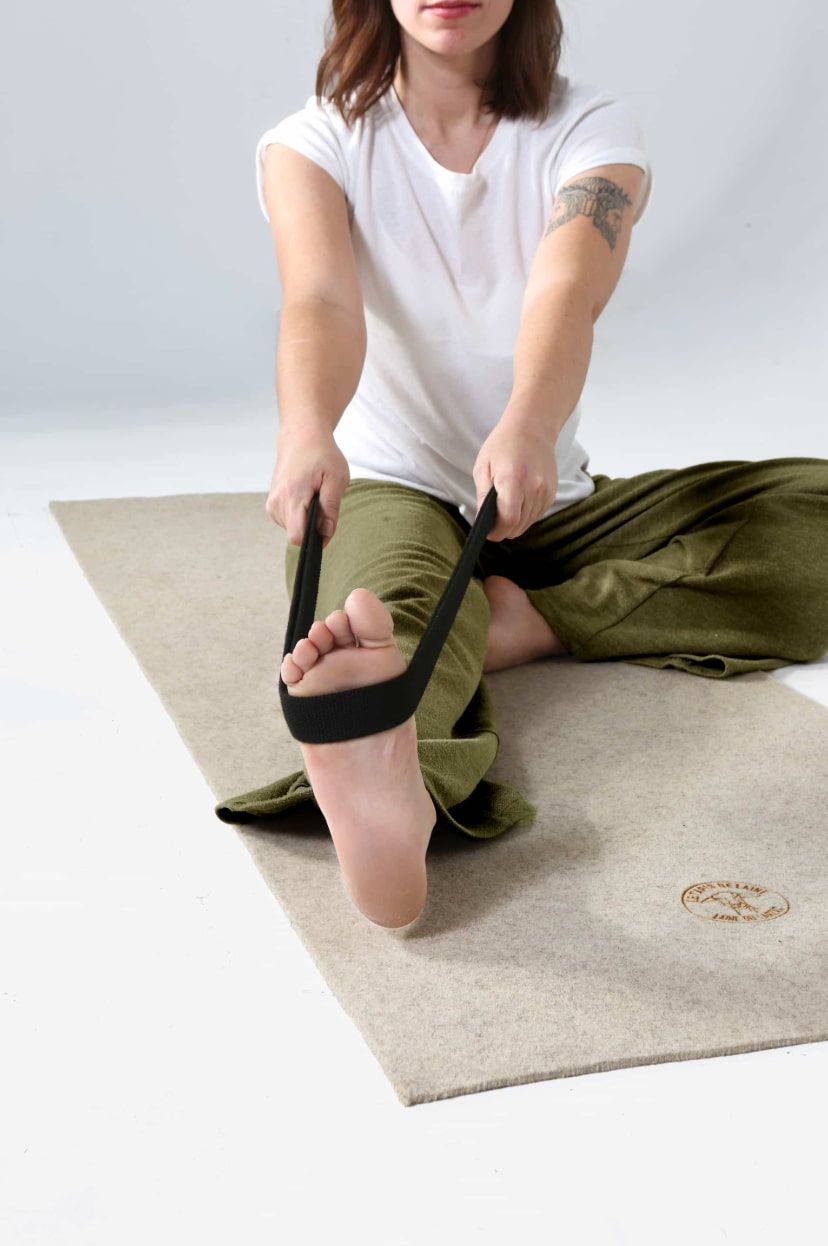
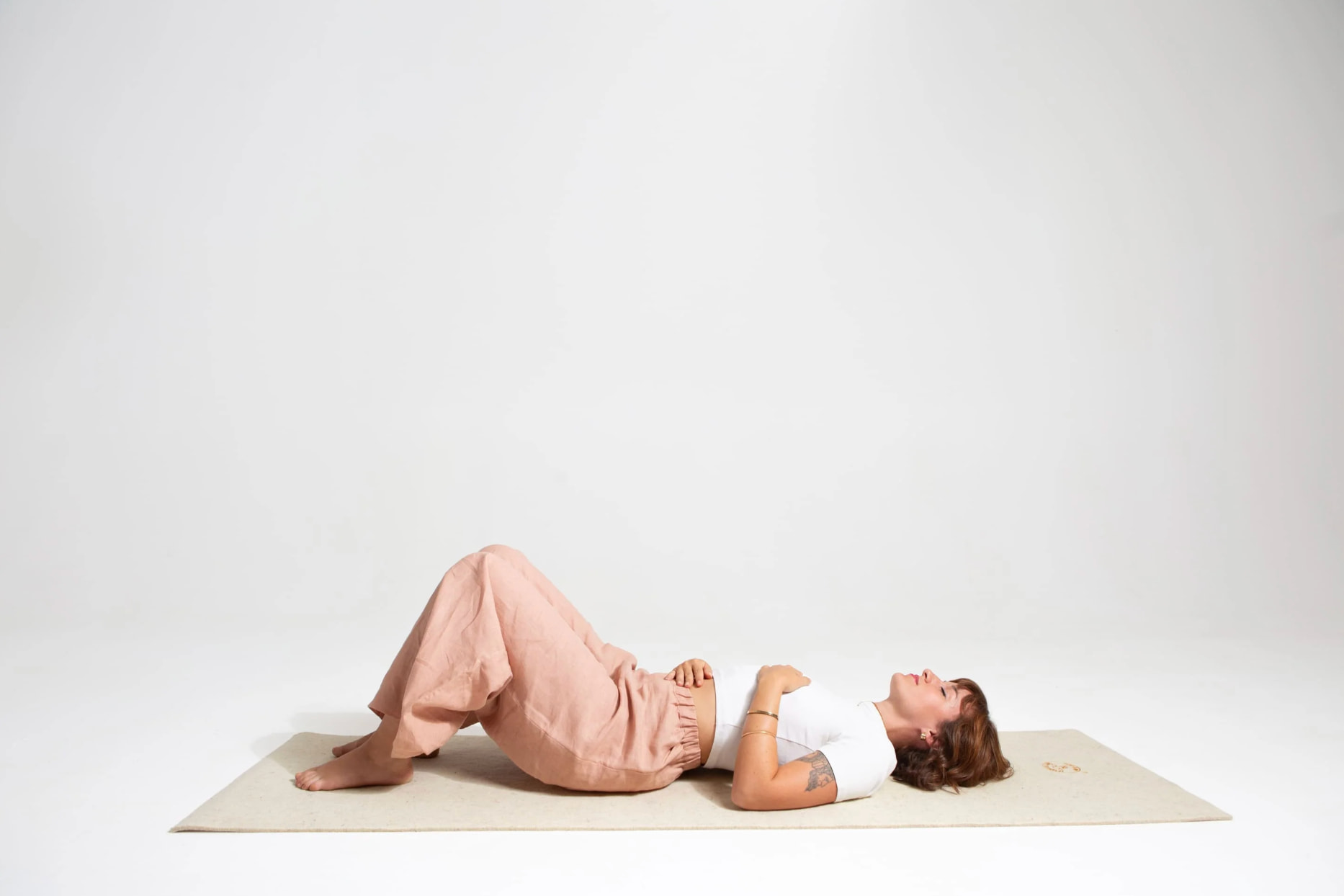
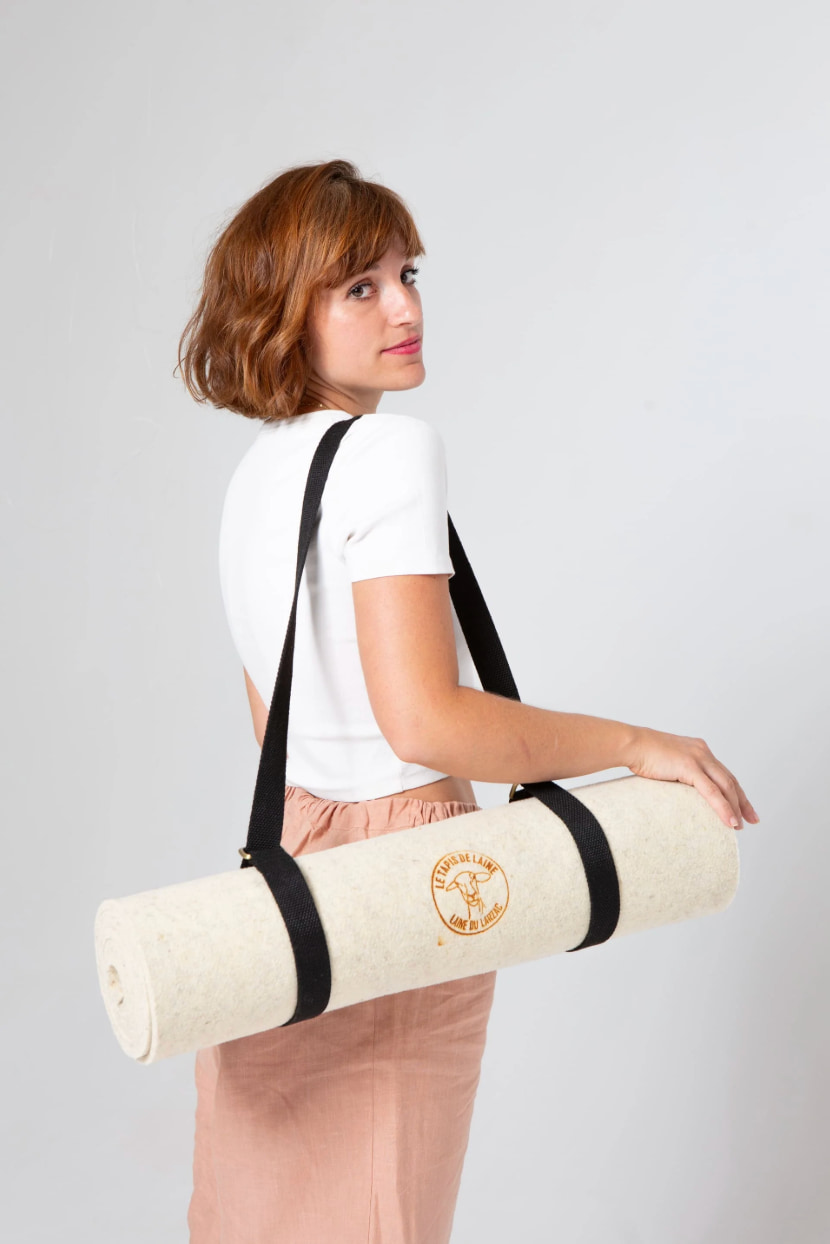
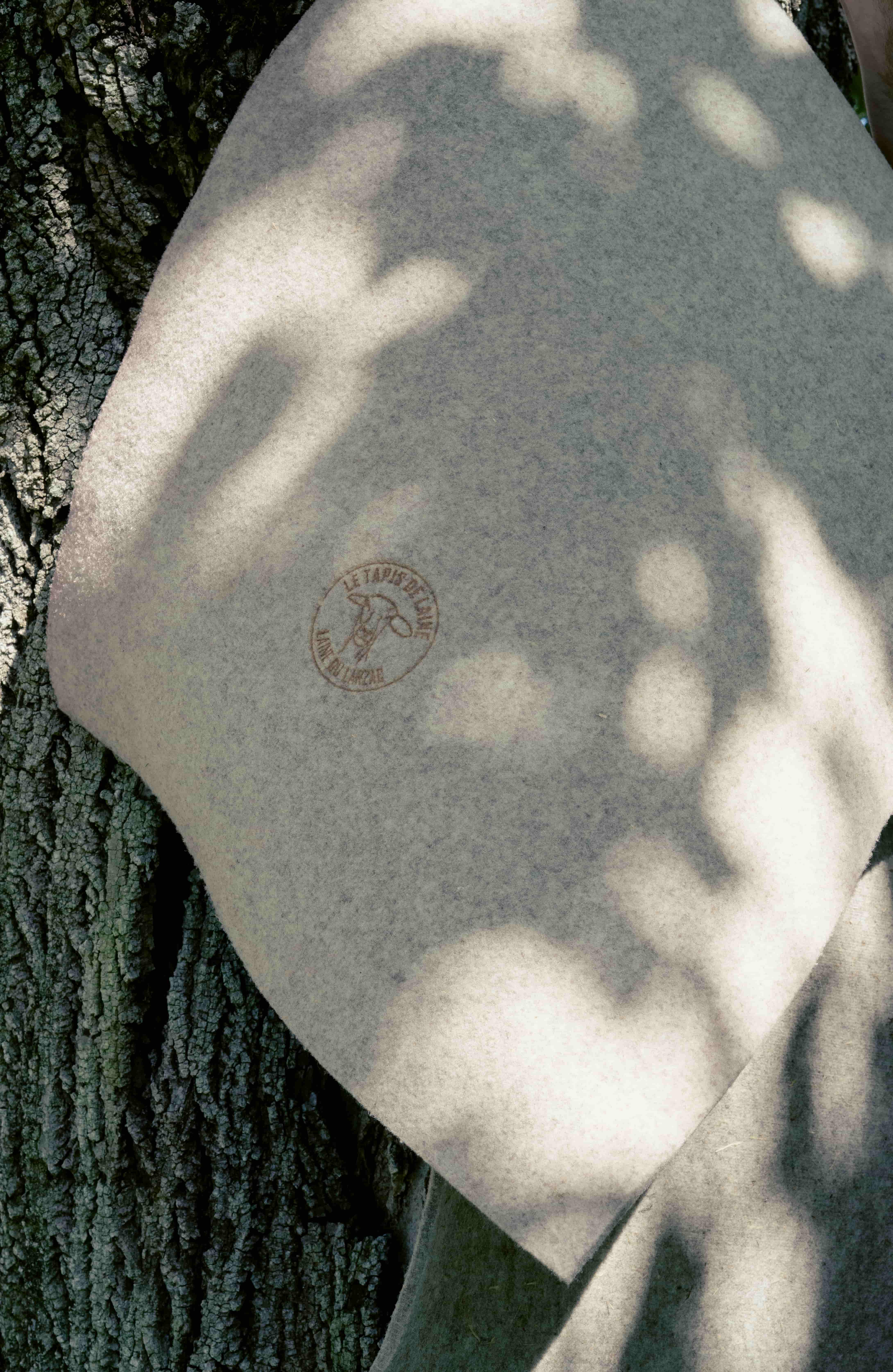
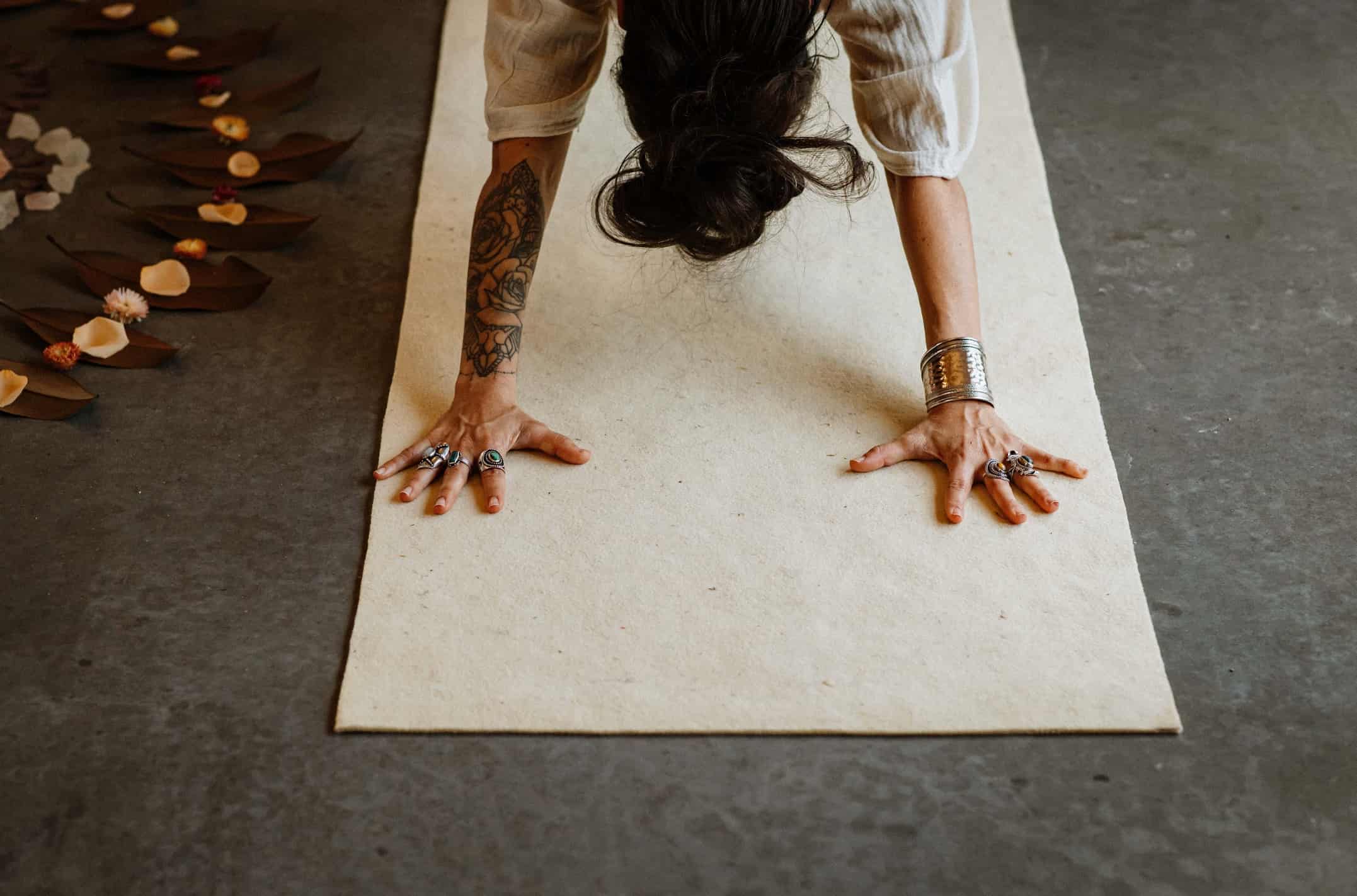
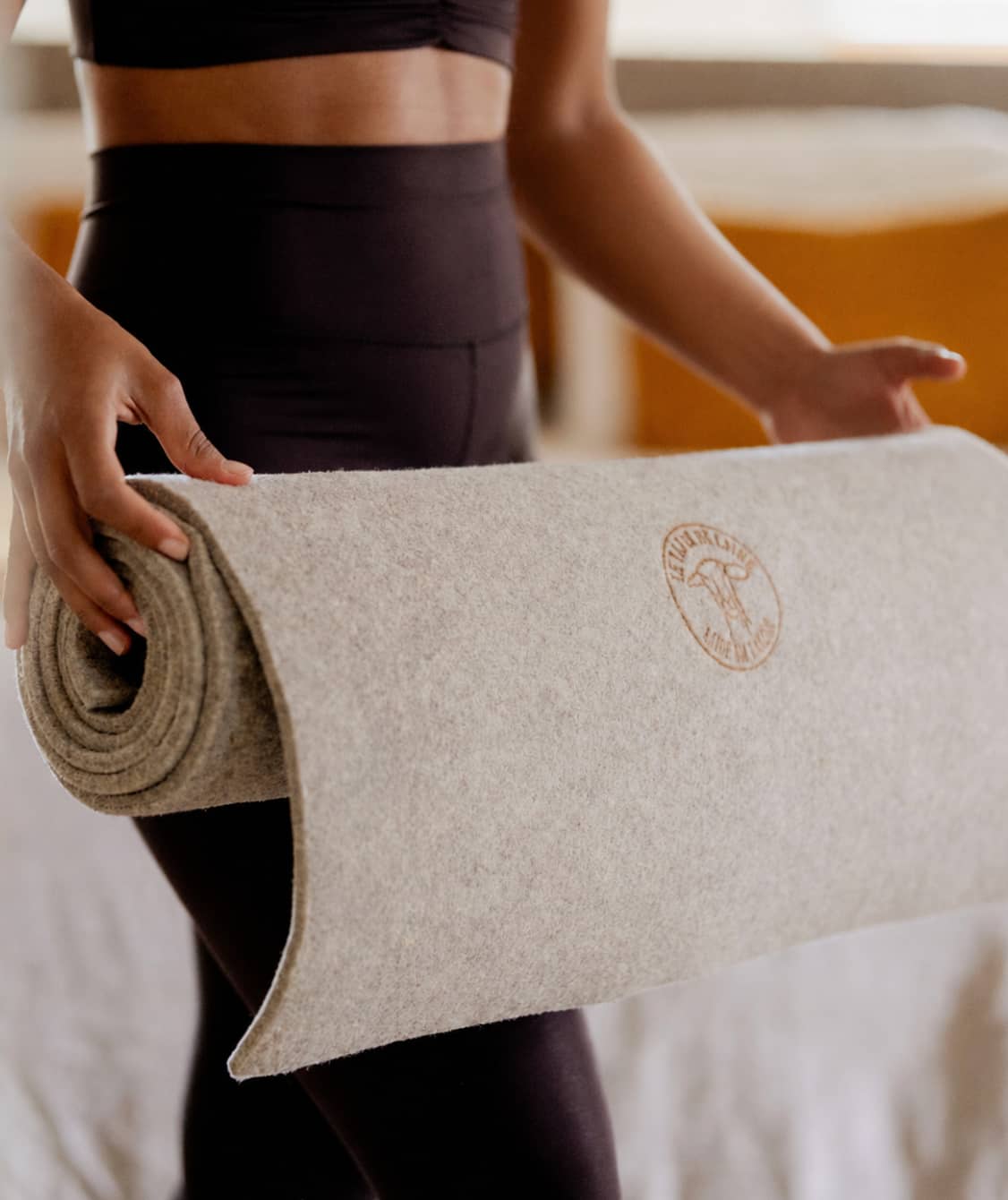
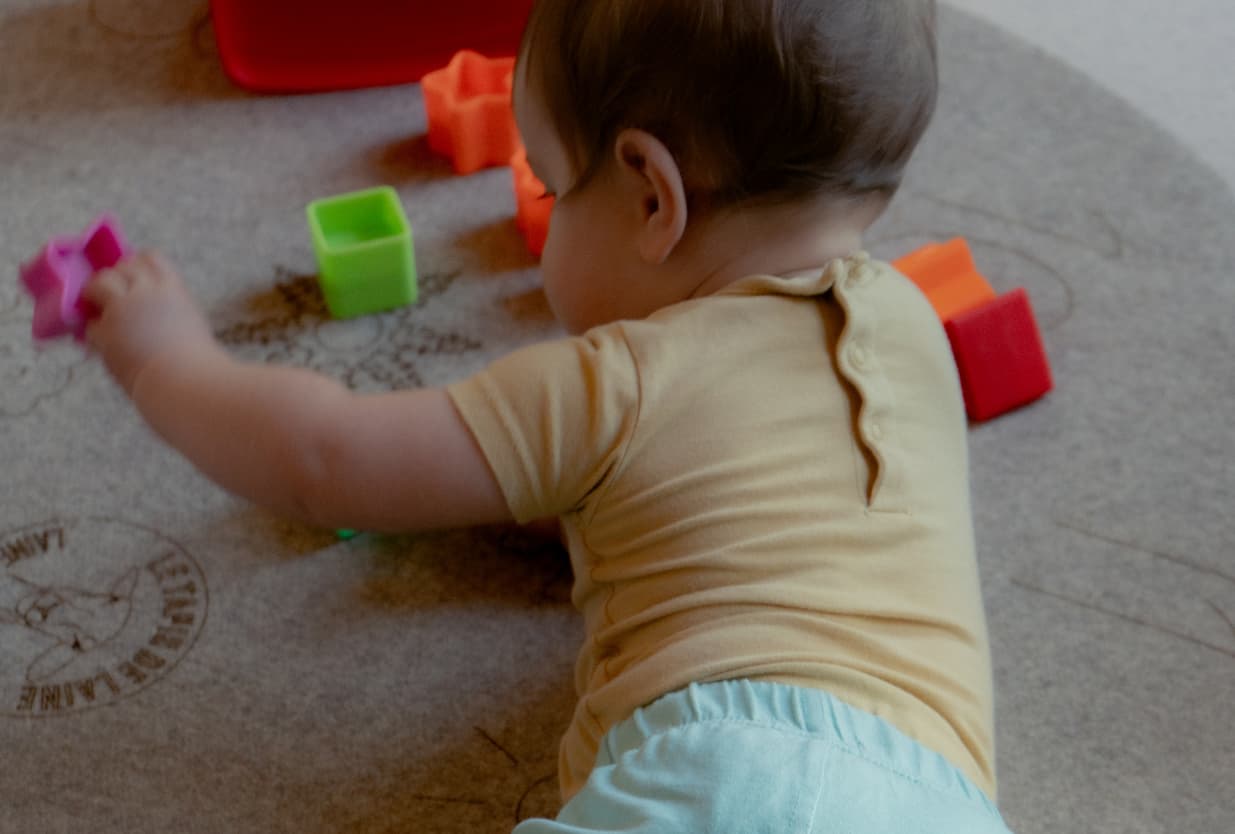
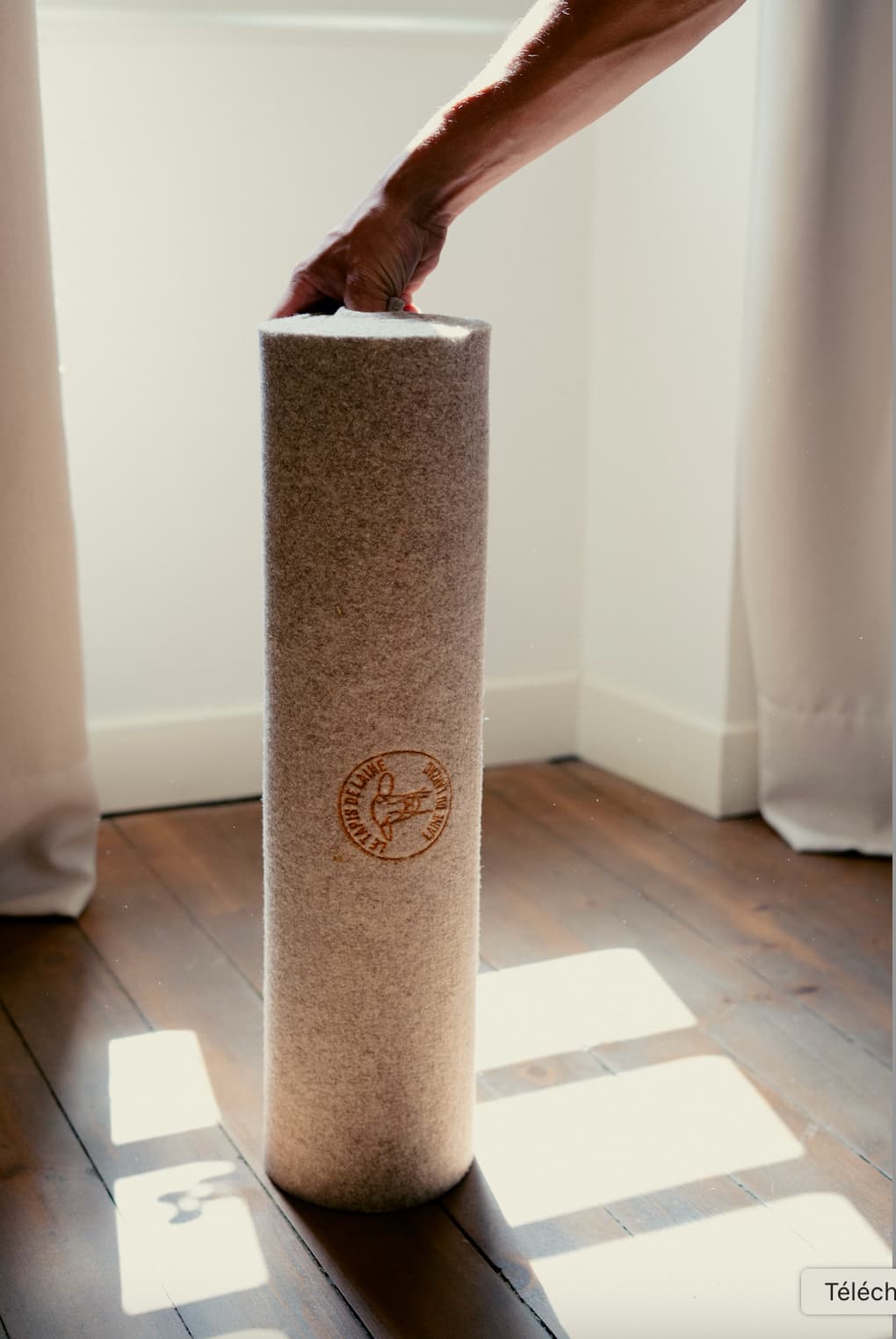
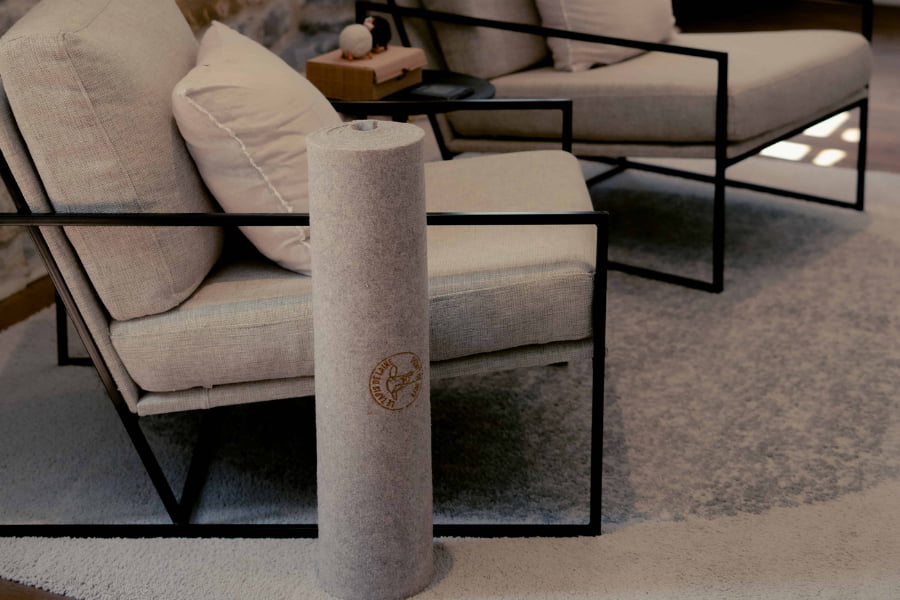
Wool is following a similar path. It is a classic material in Iyengar and restorative yoga, used for mats but also as a blanket to regulate body temperature in savasana and to provide a sense of weight that encourages deep relaxation, according to Hugger Mugger. At Le Tapis de Laine, the same search for natural materials carries over to the baby play mats designed for family spaces, a way of extending the home's wellbeing corner beyond the practice mat alone.
This shift answers a demand from practitioners themselves. According to Kantar Media, 63% of French yogis check where the products they buy come from, compared with 48% of the population as a whole.
Trend 2: technical markers built into the mat
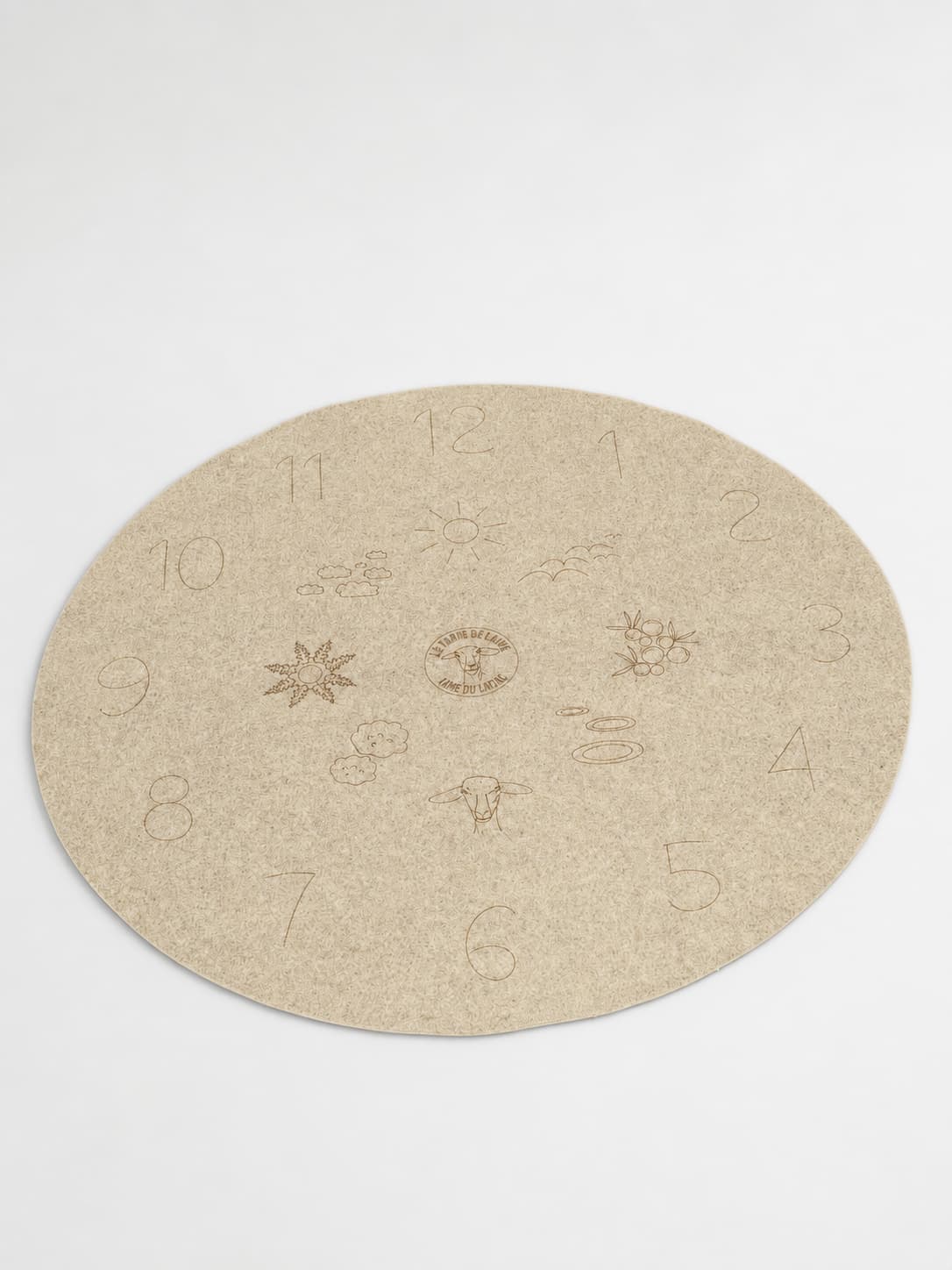
Alignment guides printed on the surface of the mat, once reserved for premium models, are becoming a standard that practitioners expect in 2026. They help you position your hands and feet without any external visual reference, an asset for solo practice at home.
This technical development goes hand in hand with an increasingly solid scientific base. In 2026, the Global Wellness Institute launched a yoga research initiative co-led by Leah Nduati, a certified yoga teacher, and Bija Bennett, a yoga therapist. The initiative cites a Harvard study finding that regular practice can halve the duration of opioid withdrawal symptoms, a strong signal for the discipline's medical credibility, according to the Global Wellness Institute.
Trend 3: portability for practice on the move
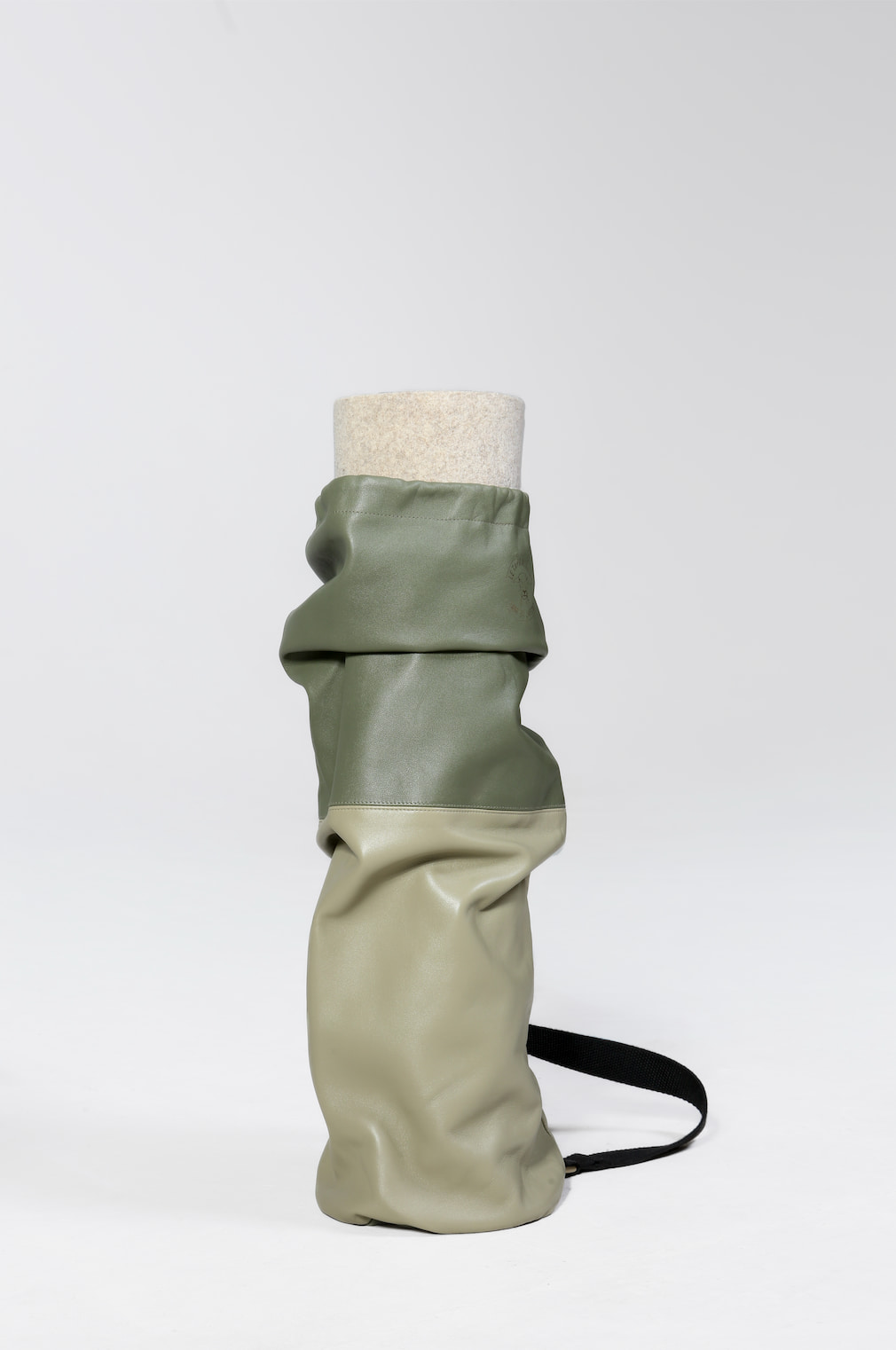
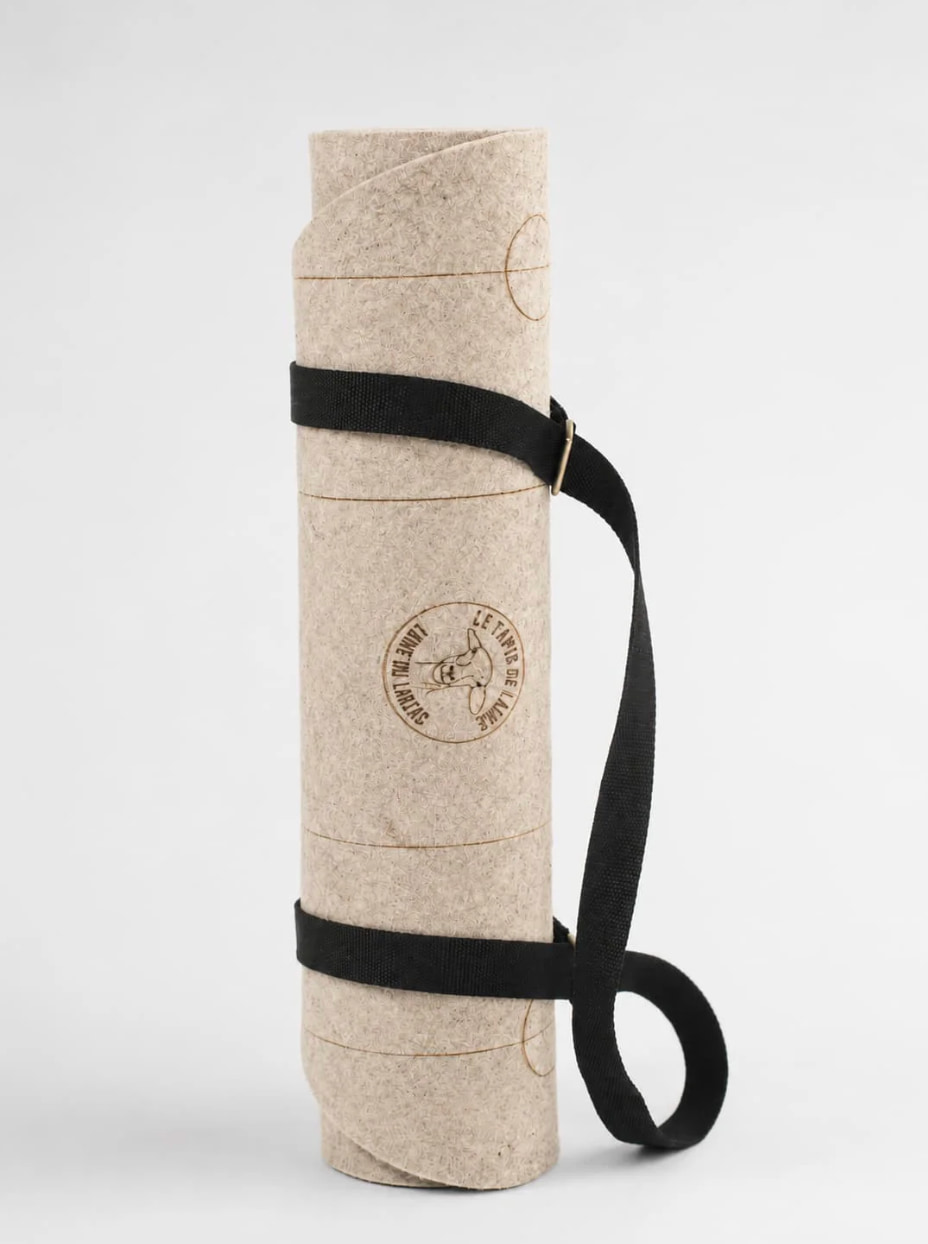
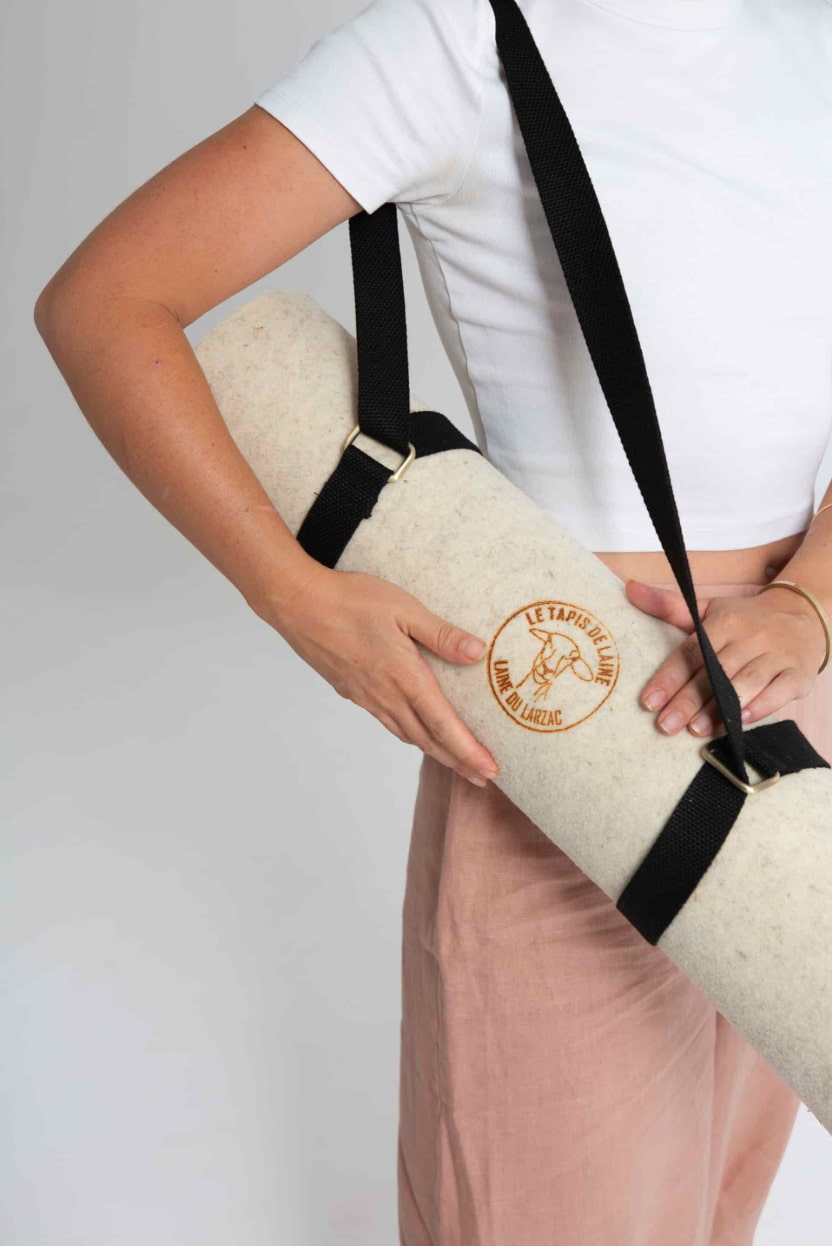
Foldable, ultra-light mats are gaining ground, designed to go with practitioners when they travel or on short wellness retreats. Dedicated carry bags, once mere accessories, are becoming a selling point in their own right for manufacturers.
This quest for logistical flexibility reflects a broader change in why people practise. In the US, 51% of practitioners now cite stress management as their main reason, ahead of physical flexibility, according to Yoga Alliance, as cited by Harvard Health.
Why these trends follow changes among practitioners
The typical practitioner profile is changing. In the US, 16.9% of adults practised yoga in 2022, with a clear gap between women (23.3%) and men (10.3%), according to CDC data. Practice also rises with income: it reaches 23% in high-income households, compared with 10.4% in low-income households.
“Yoga offers more than one thing. You build strength and flexibility, but also a form of meditation that makes you more attentive for the rest of the day,” says Maren Nyer, an instructor in psychology at Harvard Medical School and director of yoga studies at Massachusetts General Hospital, quoted by Harvard Health.
In France, the average age of practitioners rose from 44 to 47 between 2021 and 2025. The share of those aged 65 and over jumped from 15% to 22% over the same period, according to Kantar Media. A thicker, more comfortable mat responds directly to this ageing population of practitioners.
Frequently asked questions
Which material should you choose for an eco-friendly yoga mat in 2026?
Cork suits dynamic styles thanks to its grip, which increases as you sweat. Natural rubber offers superior grip but is heavier. TPE remains the lightest and most affordable of the PVC-free alternatives.
What mat thickness should you go for?
Beginners are better off with a thick mat, between 5 and 6 mm, to cushion their joints. Experienced practitioners can opt for a thinner model, under 2 mm, which improves stability in balancing poses.
Is yoga still growing in France?
Yes, but more slowly than after the pandemic. The number of practitioners rose from 3.4 to 4.9 million between 2021 and 2025, while the profile changed: older people and men are gaining ground on the discipline's traditional audience.
.svg)


How we make things
.avif)
5 mat Pilates exercises to get started at home
Pilates mats: why choose a wool mat?
Yoga nidra: why this practice is booming in 2026

Back-to-school season: how to set up a comfortable play corner for your baby
Yoga mats: the 2026 trends to know about
%20(1)%20(1).jpg)
Yoga for back-to-school stress: what the science really recommends
What thickness should you choose for your yoga mat?
.png)
Baby's sensory development on a wool play mat: what the science says (0–12 months)
Wool or synthetic play mat: what the numbers show
Natural yoga mats: wool, cork, jute or rubber — which should you choose?
.jpg)
Why wool is the best-performing material for a yoga mat
Which yoga mat should you choose for your practice: yoga, pilates or meditation?

.svg)
.svg)
.svg)
.svg)
.svg)
.svg)