.avif)

.svg)
Pilates mats: why choose a wool mat?
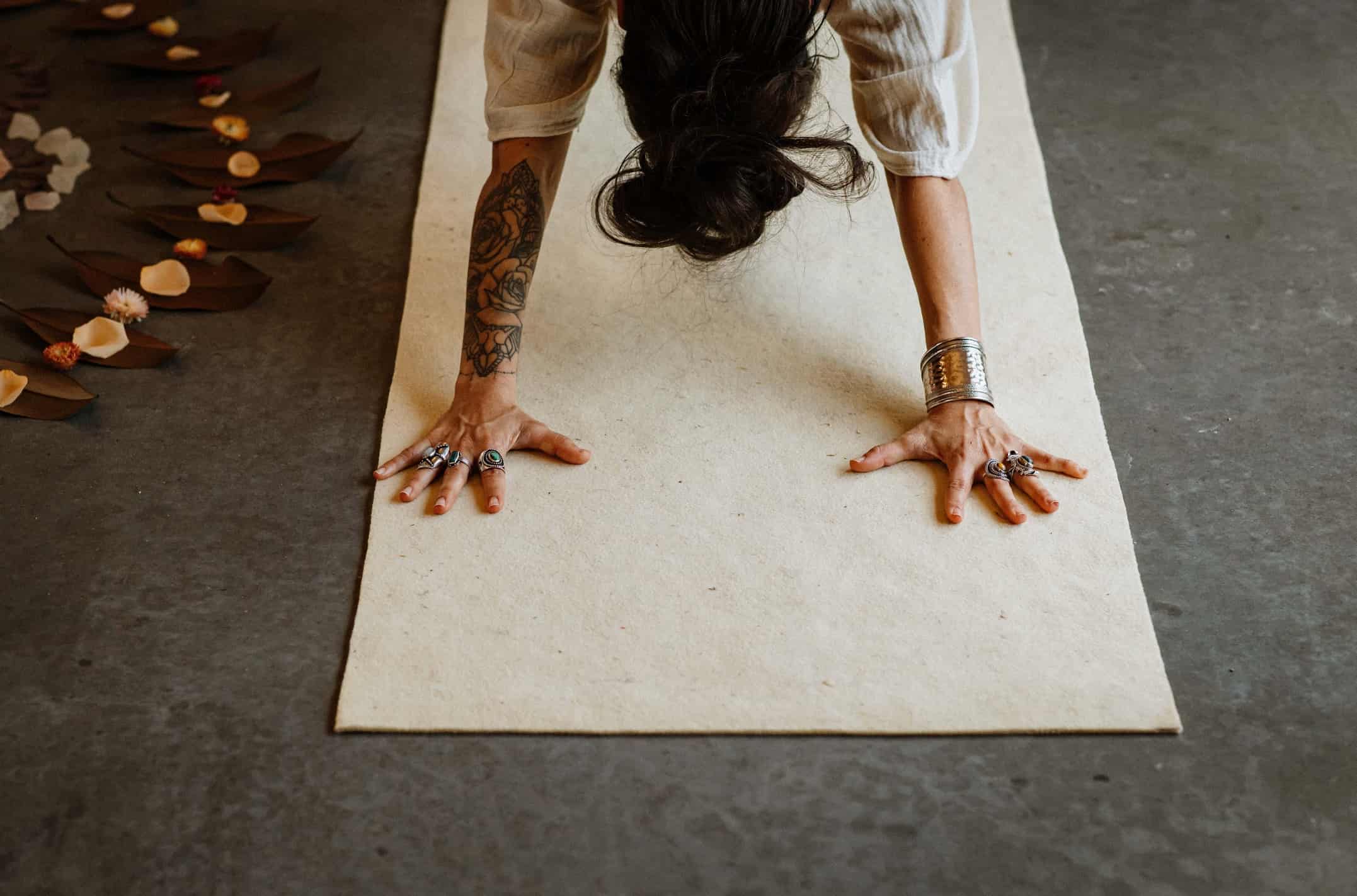
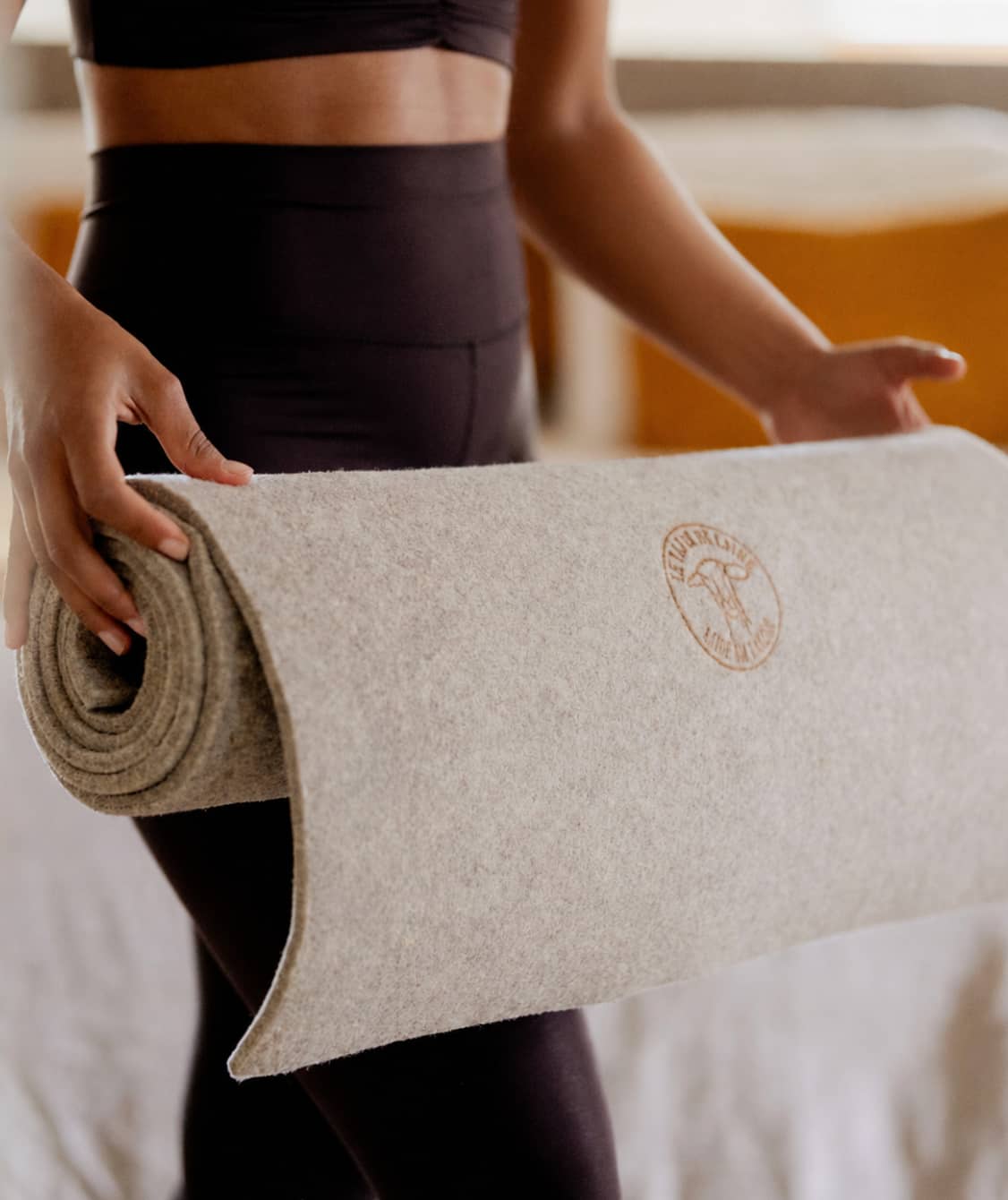
Pilates done on the floor, known as “mat Pilates”, is practised almost entirely lying down, sitting or on all fours. So your mat is not just an accessory: it is the surface your spine, hips and knees rest on throughout the session. For your practice to be enjoyable, you need a mat that is comfortable, stable and soft against your skin. Wool has all these qualities.
A wool mat for yoga and Pilates alike
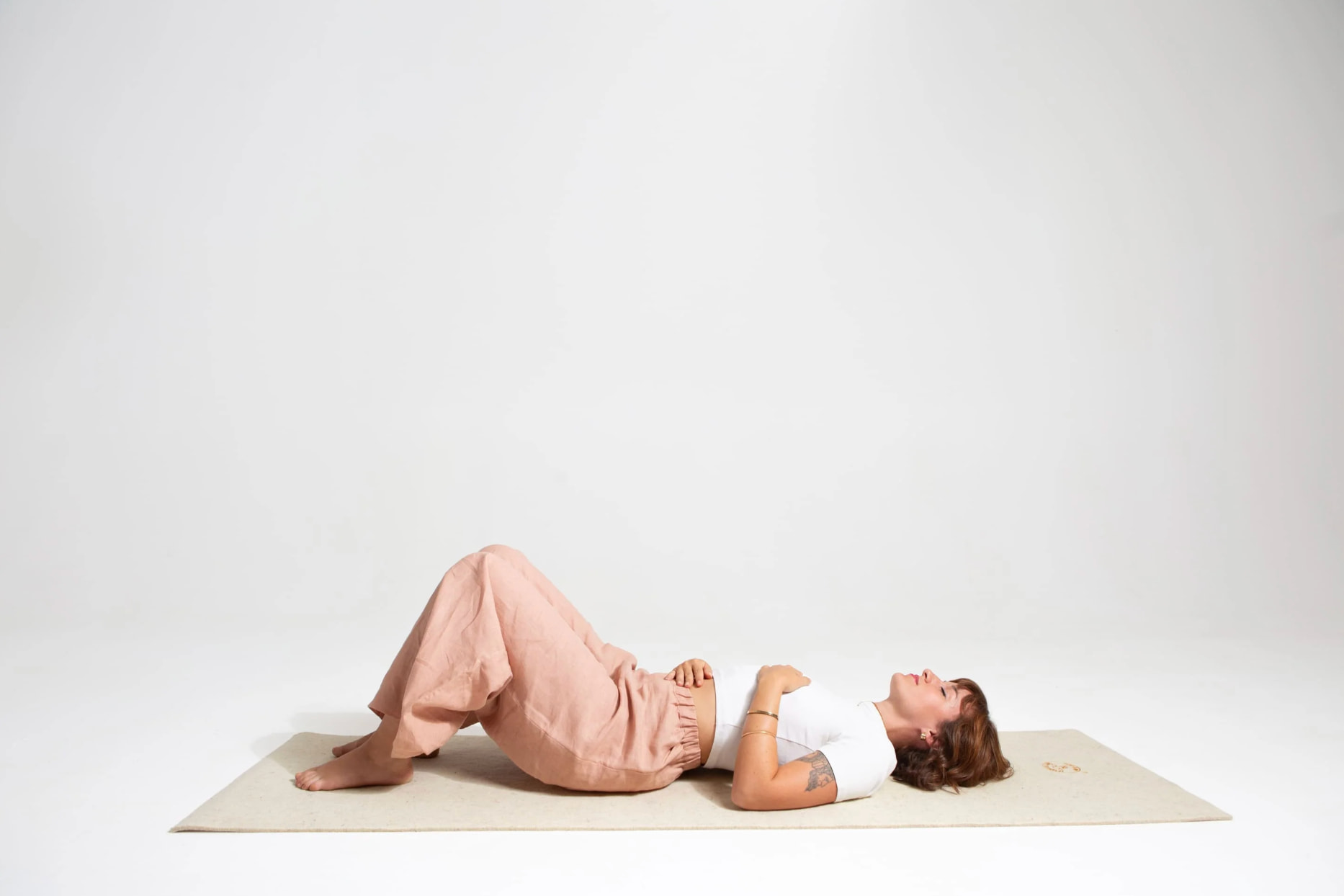
A wool mat adapts to both practices. You can do a yoga session in the morning and a Pilates session in the evening on the same mat. Its comfort is particularly appreciated during the floor exercises typical of Pilates: spine curls, rolls, core work and side-lying work.
The benefits of a wool Pilates mat
1. Natural cushioning for your spine
Wool fibres are naturally elastic and springy. They provide soft cushioning and regain their shape after pressure. During the “roll-up” or “rolling like a ball”, your vertebrae unroll over a comfortable surface.
2. A material that breathes
Wool naturally regulates temperature and absorbs moisture without feeling wet. The result: no “sticky” feeling, even when the session gets intense.
3. Warm to the touch
In Pilates, you spend a lot of time lying down. A wool mat feels warm and soft, which makes your practice more pleasant, especially in the morning or during relaxation and stretching sessions.
4. A natural alternative to PVC mats
Many exercise mats are made of PVC or synthetic foam. Wool is a natural, renewable fibre, suited to anyone who wants a practice closer to nature, right down to their equipment.
5. A beautiful object to keep at home
A wool mat does not look like a piece of gym equipment. It fits naturally into a living room or bedroom, which makes you want to roll it out more often… and to practise more regularly.
How do you choose the right Pilates mat?
Here are the criteria to check before you buy:
- Comfort: the mat should offer good cushioning to protect your spine during floor exercises.
- Size: it should accommodate your whole body lying down, from head to pelvis, and leave you room to stretch your arms out.
- Material: natural and breathable for comfort, with no chemical smell.
- Care: check how to clean it. Wool airs out easily and needs little day-to-day care.
- Stability: the mat should stay flat on the floor while you move.
Our wool mat for Pilates
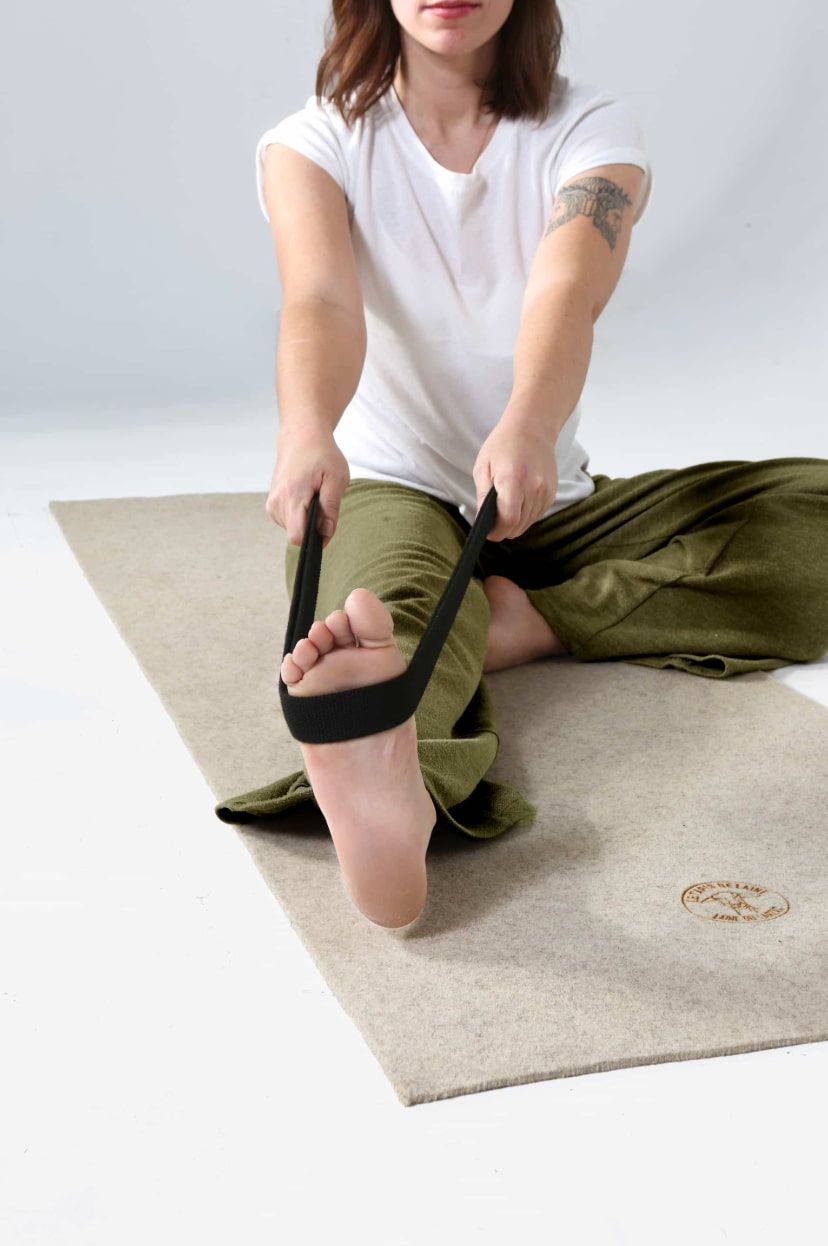
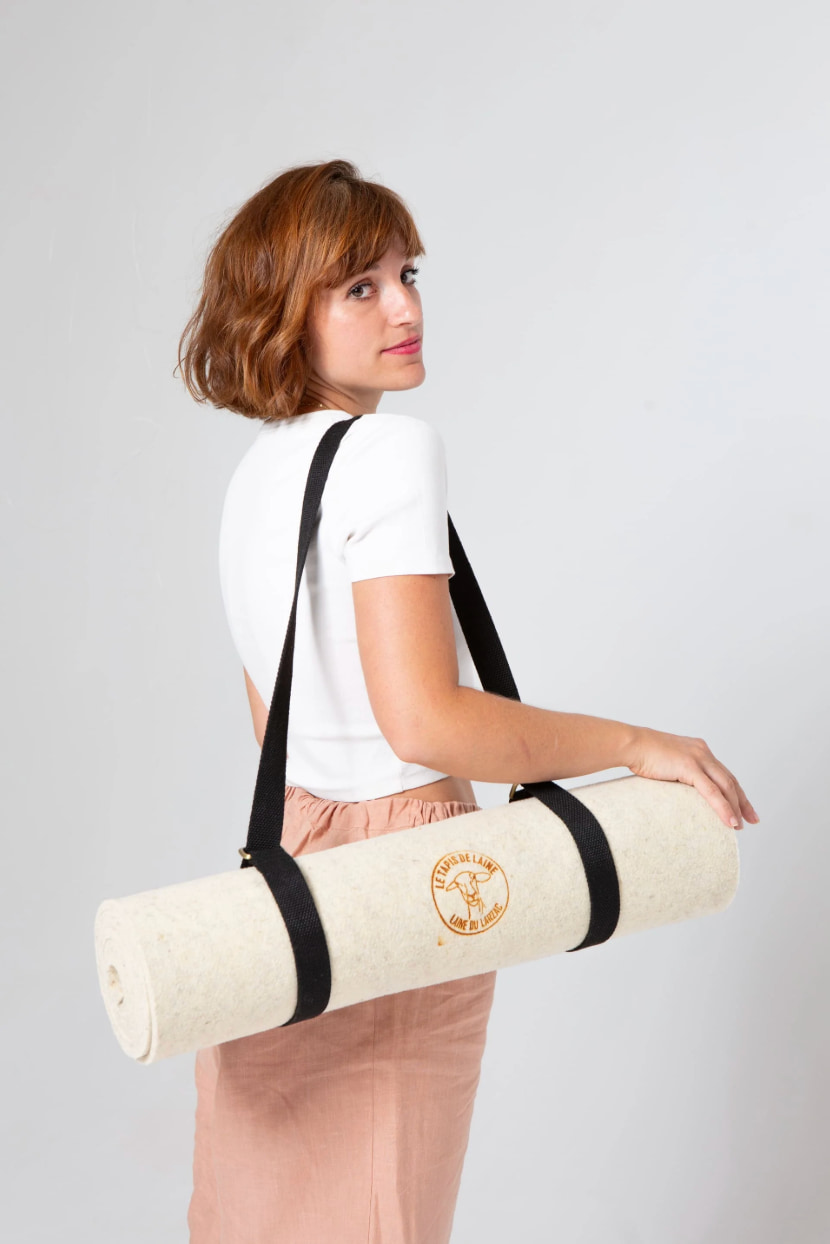
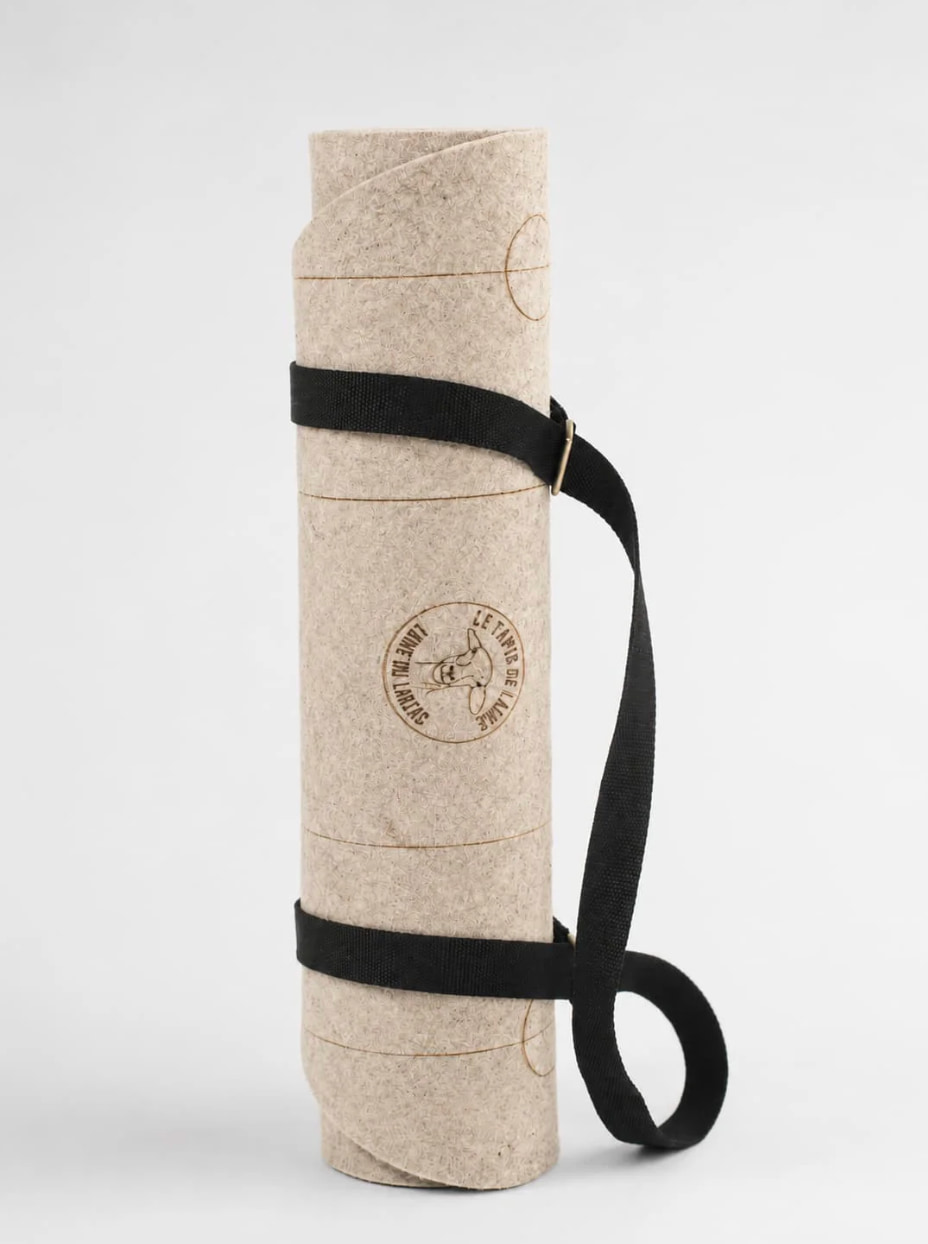
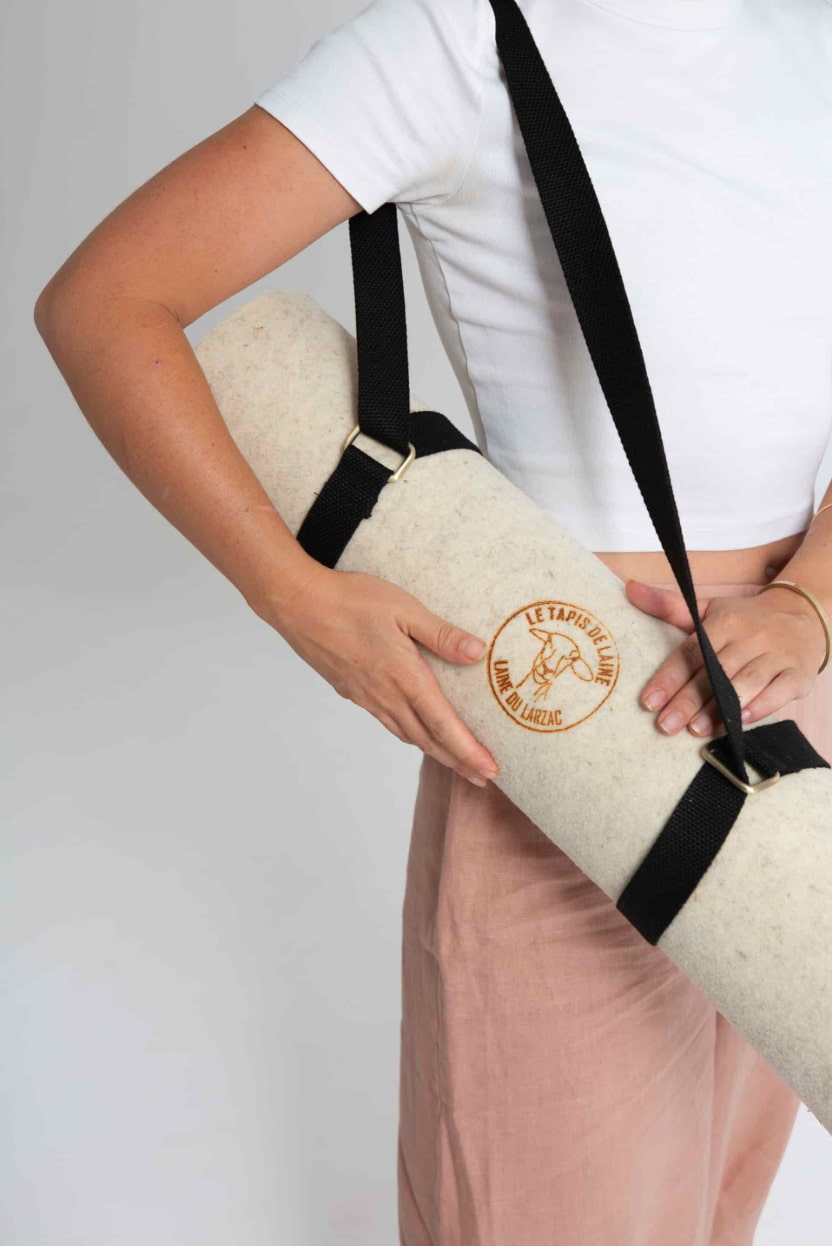
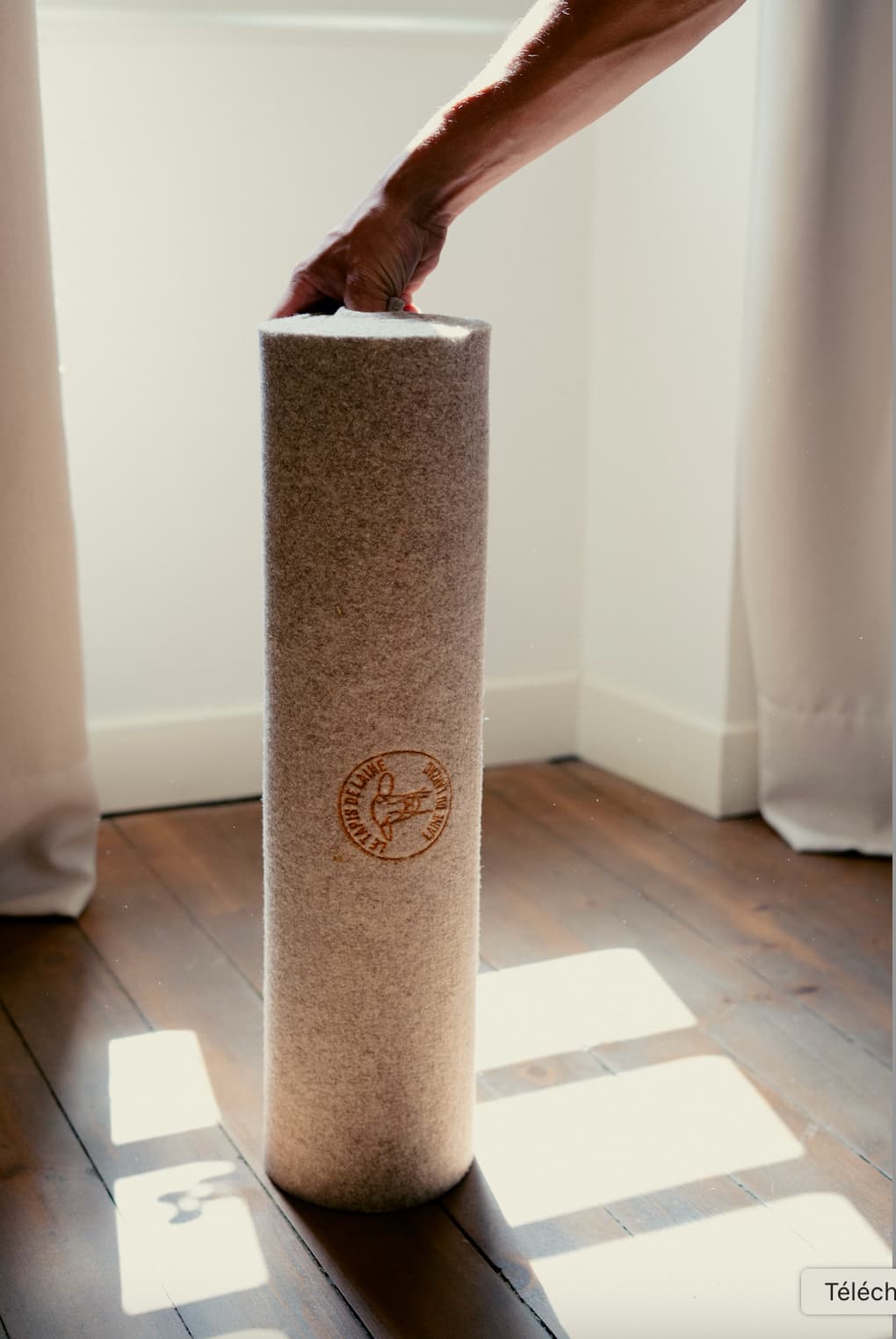
At Le Tapis de Laine, we designed a wool mat that works just as well for your yoga sessions as for your Pilates: soft, comfortable and natural, it is one mat for all your practices.
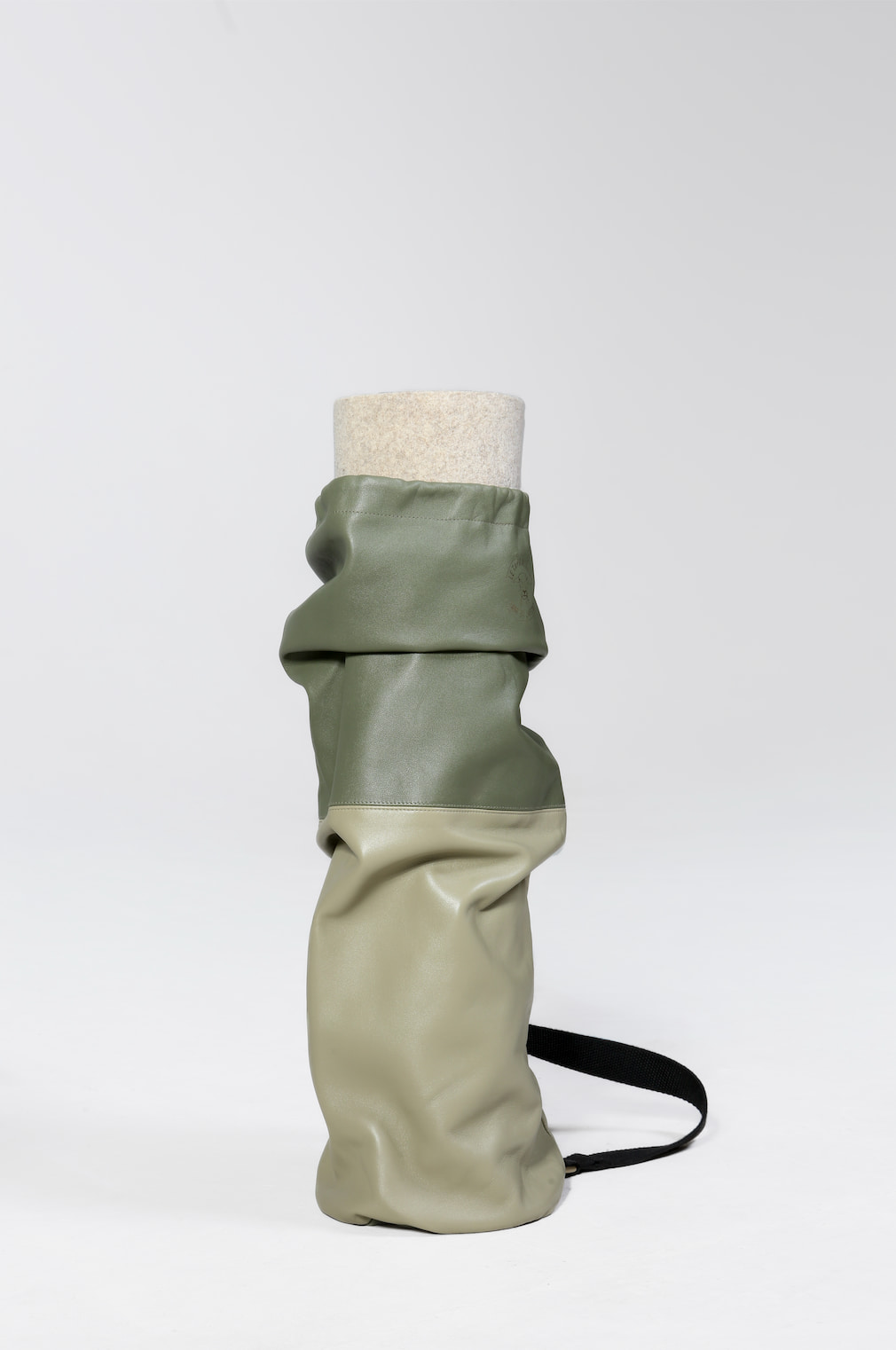
The same mat is available engraved with a first name, a date or a quote: this is our personalised Pilates mat, €150, strap included.
FAQ: wool Pilates mats
Can you do Pilates on a wool yoga mat?
Yes, absolutely. Thanks to its natural cushioning and softness, a wool mat is ideal for Pilates floor exercises.
Does the mat stay stable during exercises?
Yes. It stays flat on the floor, so you can concentrate on your movements and your breathing.
How do you care for a wool mat?
Air it regularly and brush it if needed. For a deeper clean, follow the care instructions supplied with your mat.
Is a wool mat suitable for beginners?
Absolutely. Its comfort makes the first sessions more enjoyable, especially for exercises done lying on your back.
.svg)


How we make things
.avif)
5 mat Pilates exercises to get started at home
Pilates mats: why choose a wool mat?
Yoga nidra: why this practice is booming in 2026

Back-to-school season: how to set up a comfortable play corner for your baby
Yoga mats: the 2026 trends to know about
%20(1)%20(1).jpg)
Yoga for back-to-school stress: what the science really recommends
What thickness should you choose for your yoga mat?
.png)
Baby's sensory development on a wool play mat: what the science says (0–12 months)
Wool or synthetic play mat: what the numbers show
Natural yoga mats: wool, cork, jute or rubber — which should you choose?
.jpg)
Why wool is the best-performing material for a yoga mat
Which yoga mat should you choose for your practice: yoga, pilates or meditation?

.svg)
.svg)
.svg)
.svg)
.svg)
.svg)