.avif)

.svg)
Back-to-school season: how to set up a comfortable play corner for your baby

The back-to-school season disrupts little ones' routines almost as much as their parents'. Shifted mealtimes, a new childminder or a return to nursery, shorter days: in this context, a stable play corner on the floor, with a comfortable, healthy mat, gives your baby an anchor that stays the same while everything else is being reorganised.
Back-to-school season: a change of pace for babies too
In France, only two out of three children who need a nursery place actually get one, and most of the places that come free do so at the start of the school year in September, according to Avis Parents' 2026 nursery guide. For many families, the September return therefore coincides with a real change in childcare arrangements.
Weaning specialists recommend adjusting schedules gradually rather than all at once, shifting mealtimes by a few minutes each day before the routine resumes, according to DME Bébé. The same principle of gradual change applies to playtime and activity time, which the new routine often disrupts.
Why floor time matters especially right now
Tummy time should add up to 15 to 30 minutes a day from the age of 2 months, then 60 to 90 minutes after 6 months and until your baby starts crawling on all fours, according to guidance from the Cleveland Clinic. This time strengthens the neck, shoulders and back, muscles your baby relies on directly when starting to roll over or crawl.
“Tummy time activities help babies learn to move and develop important skills, while preventing flat spots on the head and muscle stiffness,” explains Kathleen Finnan, a paediatric physiotherapist quoted by the Cleveland Clinic. Paediatrician Matthew Badgett, quoted in the same article, adds that you should keep an eye on how your child responds while letting them progress at their own pace.
A dedicated mat makes it easier to keep up this daily time despite the busy back-to-school schedule. It saves you from working out every day where and how to settle your baby on the floor, a useful anchor according to the Campus des écoles overview of the benefits of free movement.
A simple anchor to set up as September begins
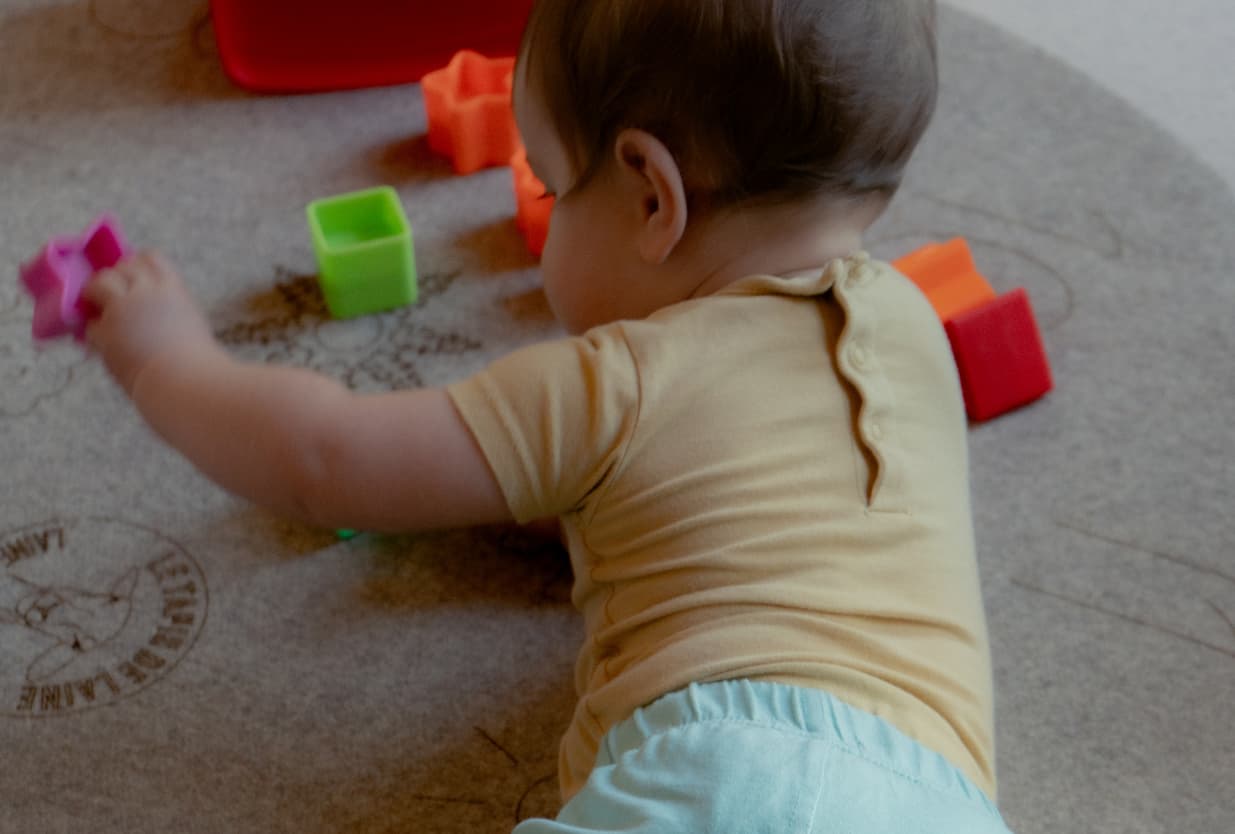
Choosing a fixed spot, away from where people come and go and close to a source of natural light, helps your baby associate this corner with play rather than with somewhere people just pass through. The mat stays in place all day, ready whenever a moment frees up between feeds or before leaving for nursery.
Rotating two or three toys is enough to keep your baby interested, without cluttering the floor with objects. What matters most is consistency: the same corner, at roughly the same time, rather than a set-up that changes every week.
Foam or wool: what really sets the materials apart
Foam puzzle mats were suspended from sale in France as early as December 2010, after formamide, a substance classified as toxic to reproduction by the European Union, was found in them at levels ANSES judged worrying, according to a question put to the French Senate.
A threshold of 200 mg/kg was then set, and extended to the whole of Europe in 2017. Tests carried out since then by Que Choisir show that the foams sold today comply with this limit.
The historical risk has therefore largely been resolved, but it remains specific to a synthetic material that needs chemical treatment and regulatory thresholds to stay safe.
A wool mat does not need this treatment: the fibre is naturally flame-resistant and does not give off compounds such as formamide. It is still worth checking the certifications of the finished product (CE marking, OEKO-TEX or GOTS), as Jolihuit points out in its guide to play mat safety.
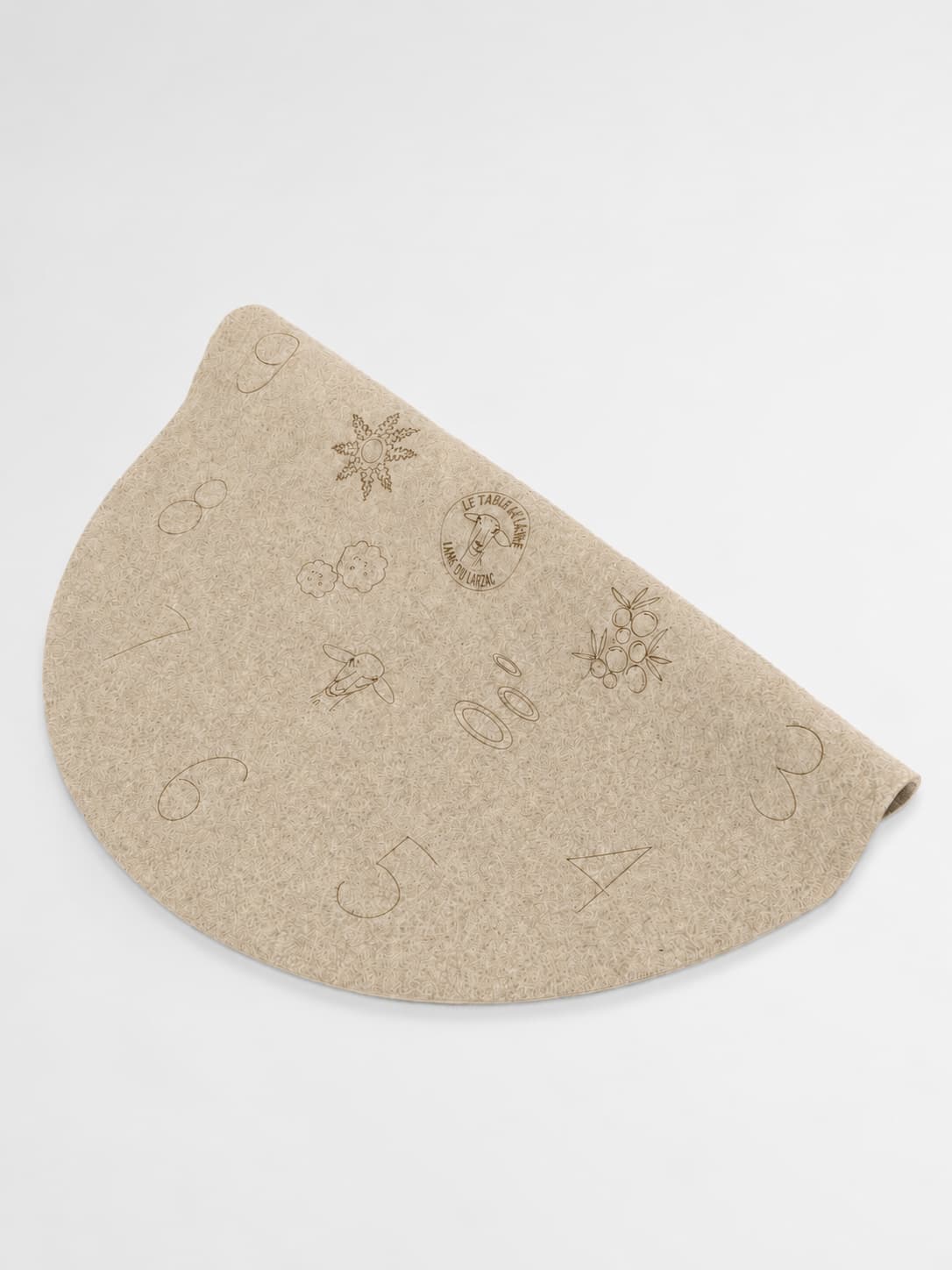
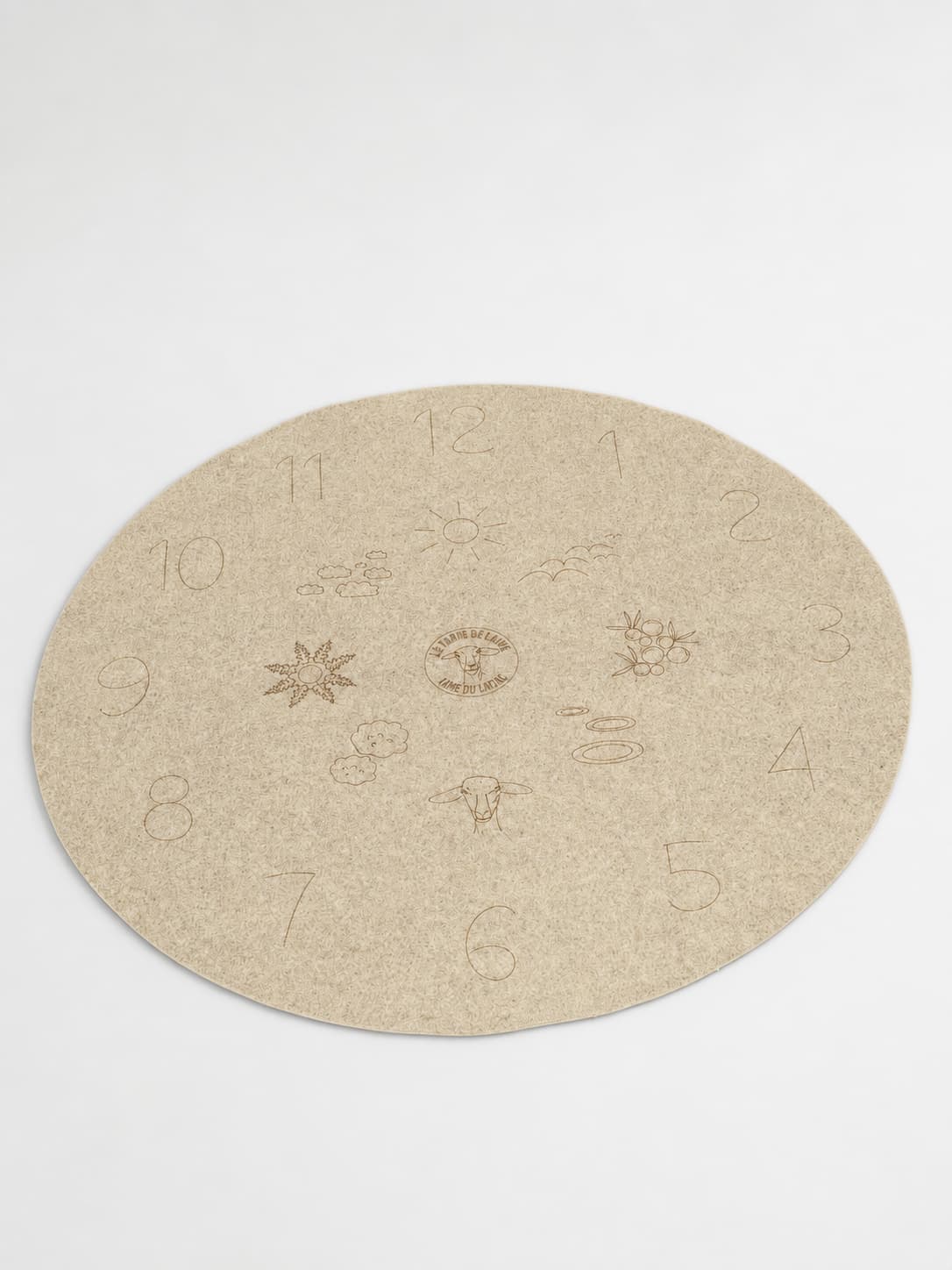
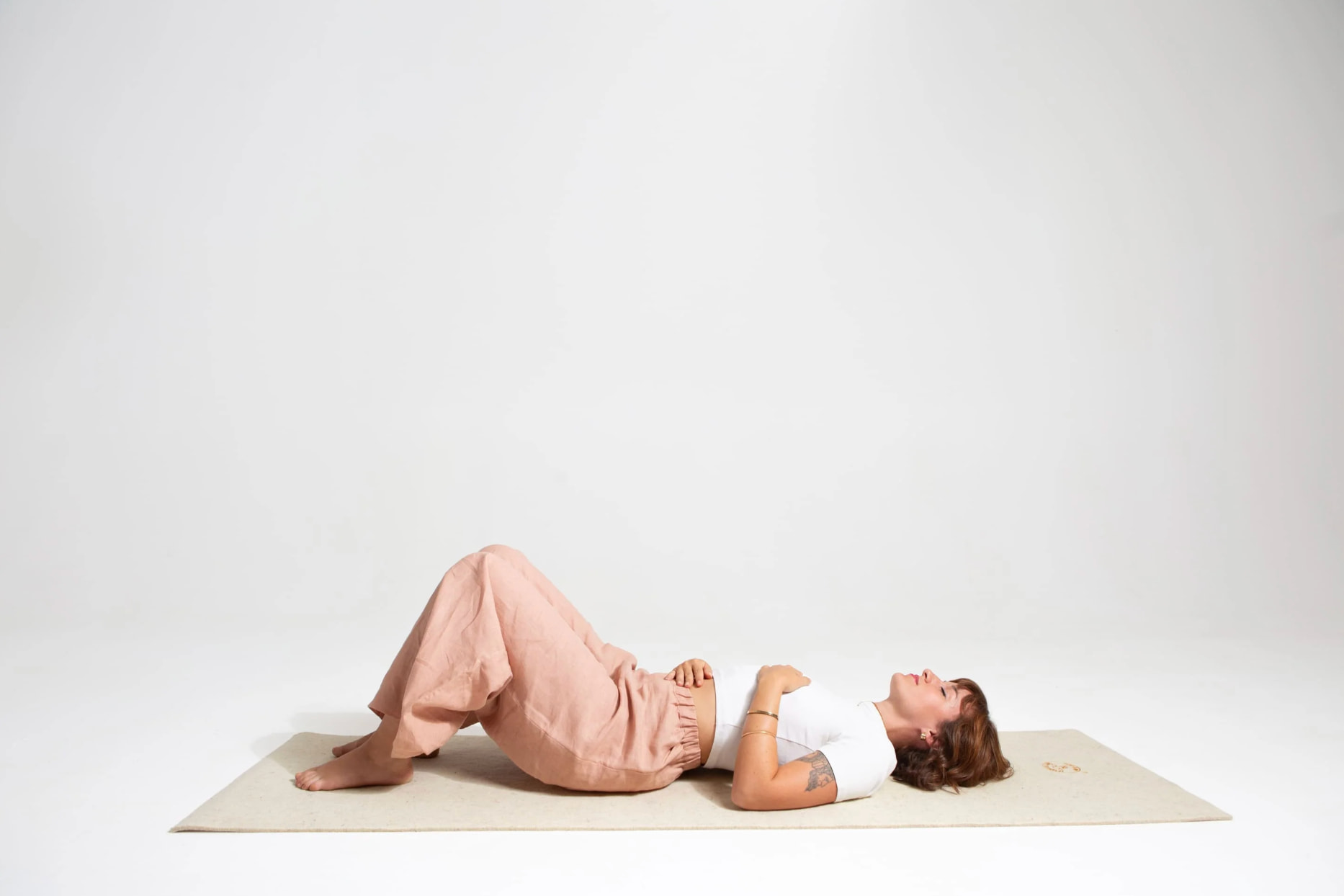
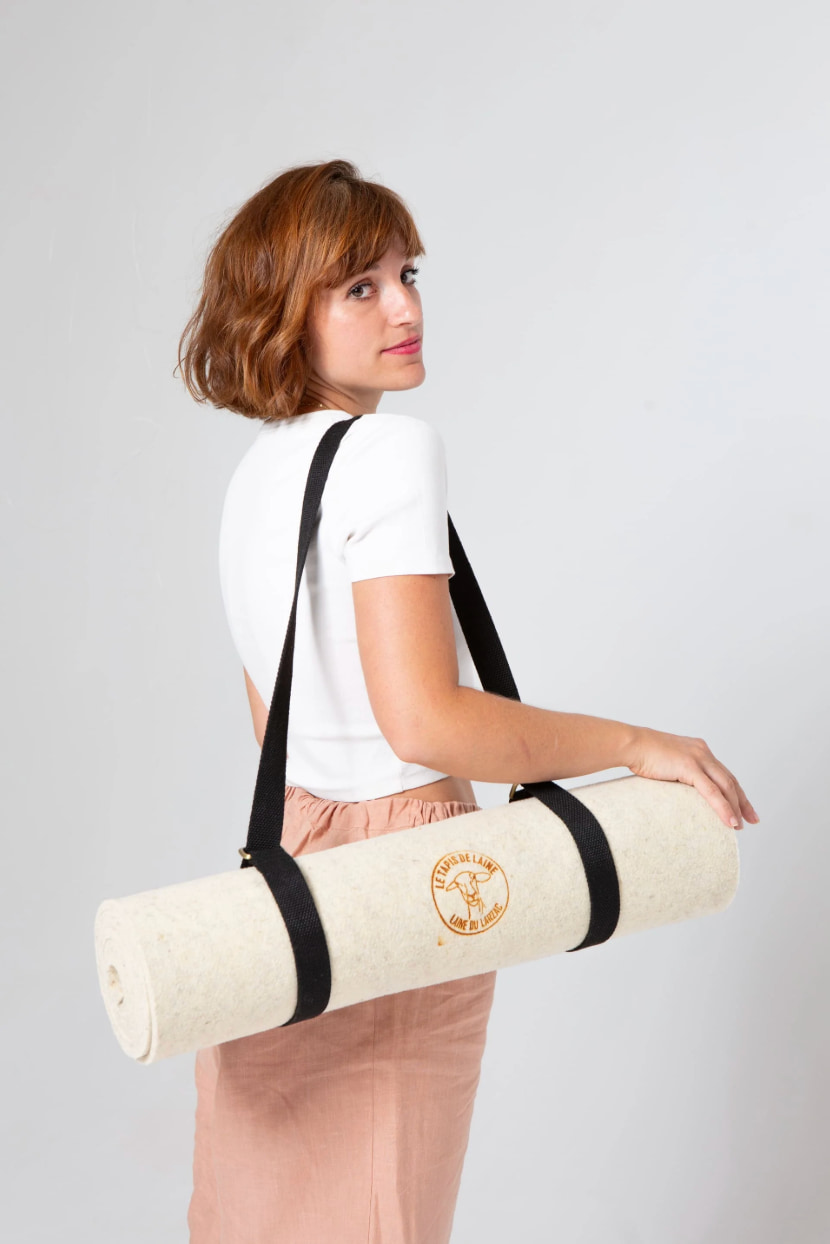
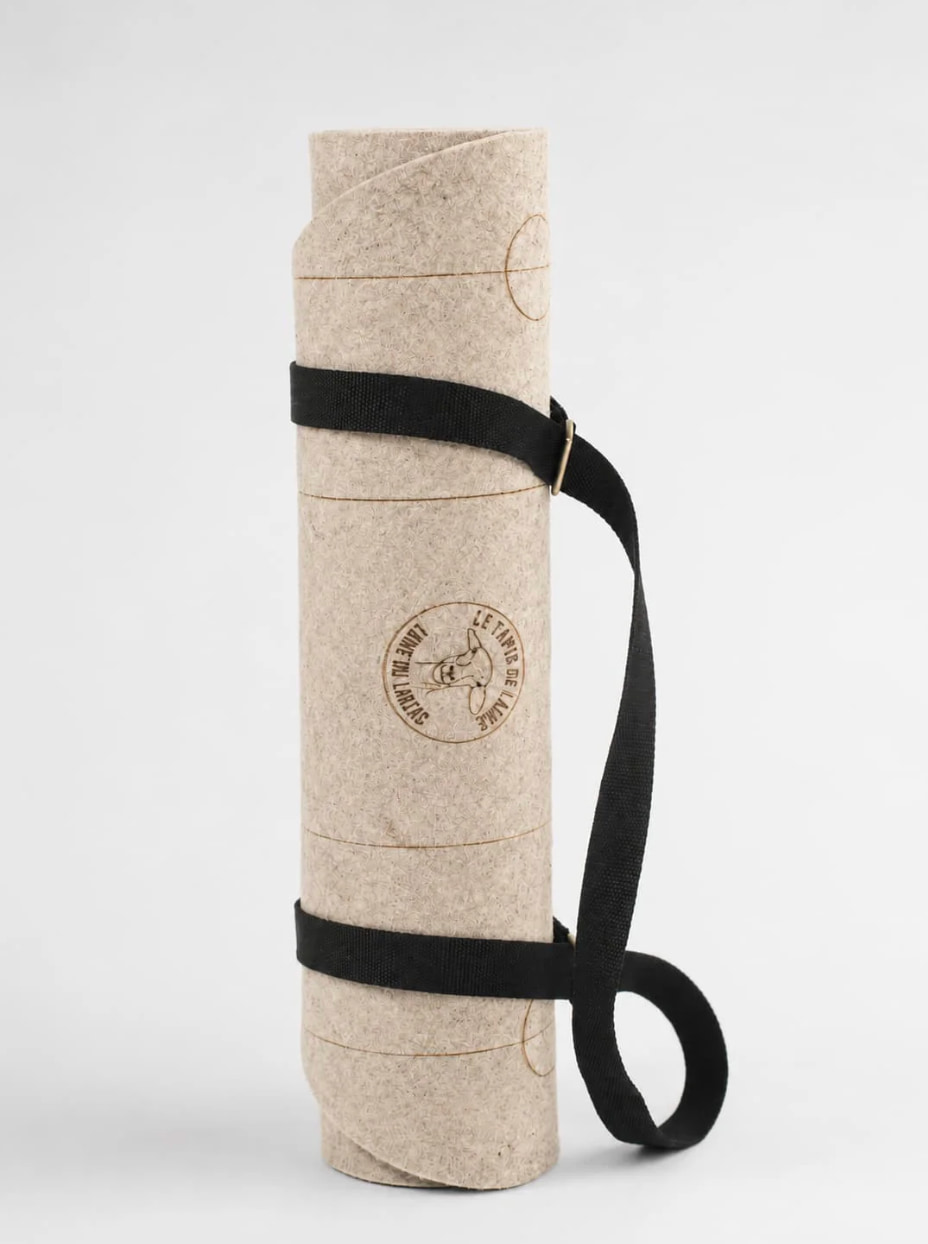
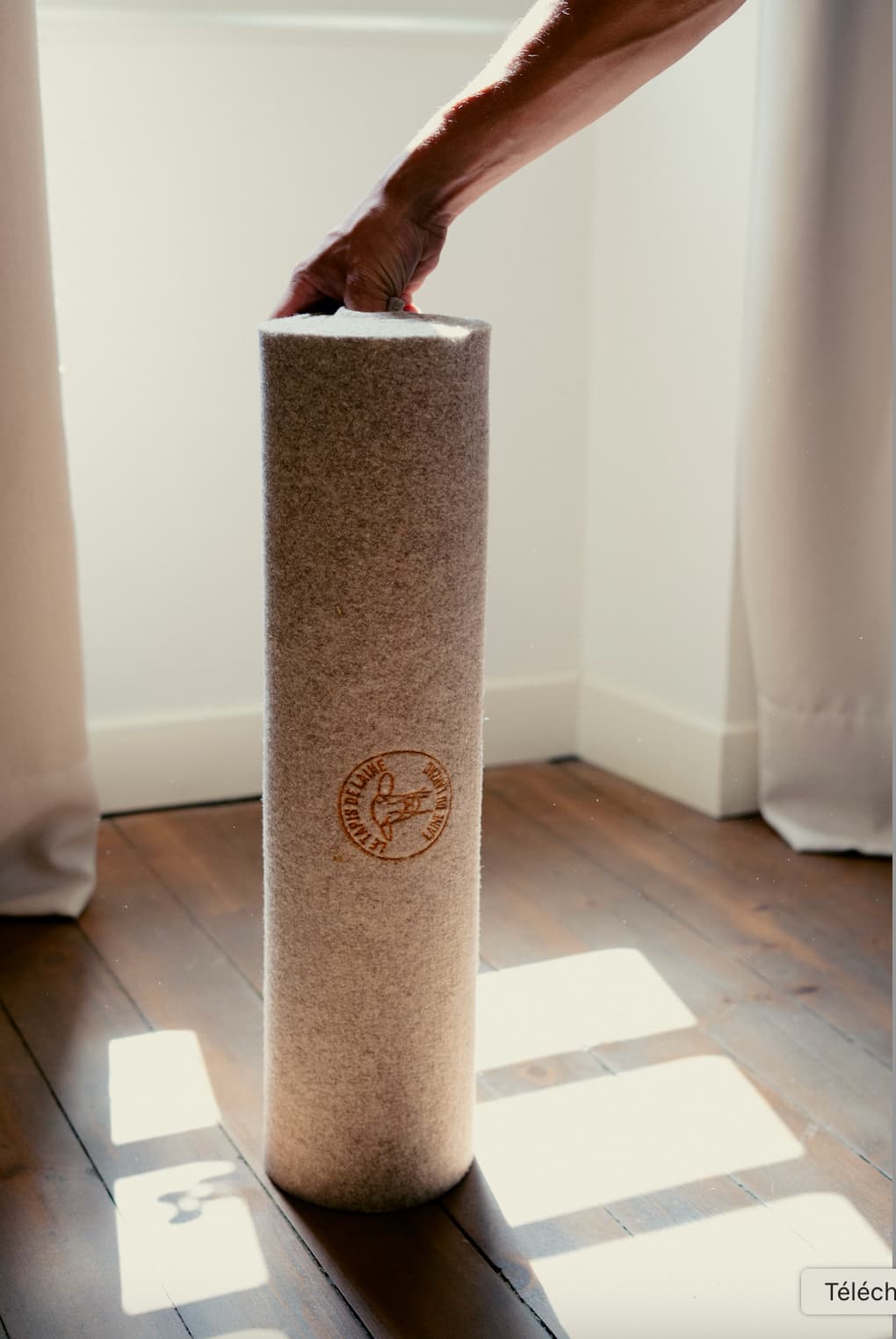
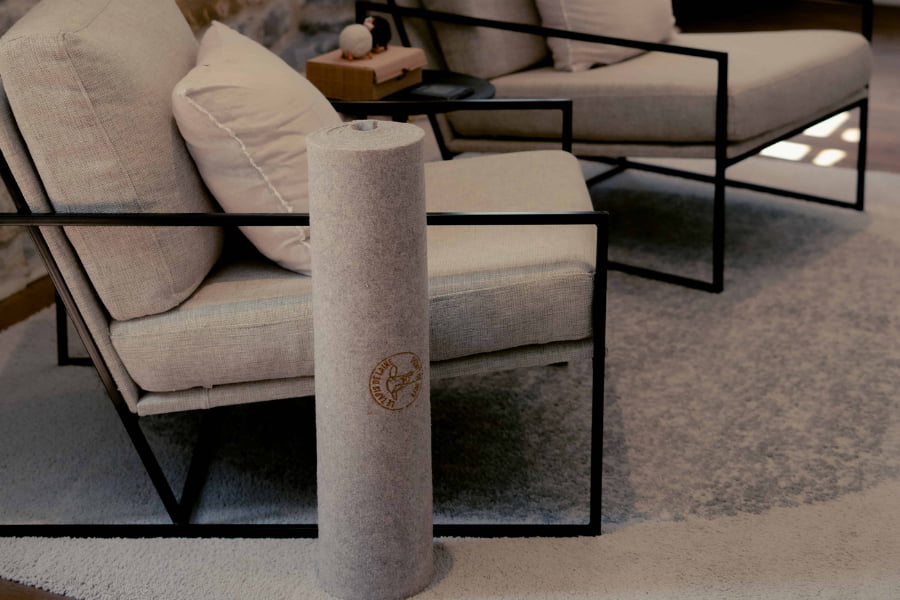
This is the raw material Le Tapis de Laine has chosen for its wool play mats, designed for a play corner that stays warm to the touch from the first cool days of September, without resorting to the treatments associated with synthetic foams.
Frequently asked questions
When should you start floor time?
From the first weeks, in short sessions of 3 to 5 minutes several times a day, always with an adult present and with your baby awake. Sessions get gradually longer with age, up to 60-90 minutes a day at around 6 months.
Are foam mats still dangerous today?
No, not as they are sold in France today: the regulatory formamide threshold has been met since the European checks of 2017. Caution is still advisable with an old product or one bought outside the European Union.
How can you help your baby find their bearings again in September?
By keeping at least one stable element in their day, whether that means mealtimes adjusted gradually or the same floor play corner used every day, at the same time if possible.
What mat thickness should you choose for a baby who is starting to crawl?
Density matters more than thickness: a dense, firm mat such as 8 mm wool felt cushions the repeated pressure on knees and hands without flattening, and does not hinder balance when your baby pushes against it to get upright.

.svg)


How we make things
.avif)
5 mat Pilates exercises to get started at home
Pilates mats: why choose a wool mat?
Yoga nidra: why this practice is booming in 2026
Back-to-school season: how to set up a comfortable play corner for your baby
Yoga mats: the 2026 trends to know about
%20(1)%20(1).jpg)
Yoga for back-to-school stress: what the science really recommends
What thickness should you choose for your yoga mat?
.png)
Baby's sensory development on a wool play mat: what the science says (0–12 months)
Wool or synthetic play mat: what the numbers show
Natural yoga mats: wool, cork, jute or rubber — which should you choose?
.jpg)
Why wool is the best-performing material for a yoga mat
Which yoga mat should you choose for your practice: yoga, pilates or meditation?

.svg)
.svg)
.svg)
.svg)
.svg)
.svg)