.avif)

.svg)
Why wool is the best-performing material for a yoga mat
.jpg)
Long valued for its natural qualities, wool was gradually forgotten and replaced by more standardised synthetics. Yet it has everything you look for in a yoga mat: comfort, grip, natural temperature regulation and a feel against the body that nothing else matches. What if the oldest material turned out to be the best one to practise on?
Long valued for its natural qualities, wool was gradually forgotten and replaced by more standardised synthetics. Yet it has everything you look for in a yoga mat: comfort, grip, natural temperature regulation and a feel against the body that nothing else matches. What if the oldest material turned out to be the best one to practise on?
Wool regulates body temperature, absorbs 30 to 35% of its own weight in moisture without ever feeling damp, naturally resists fire and bacteria, and keeps its elasticity for years. Those four properties are what make it the material best suited to a yoga mat, well ahead of PVC or TPE.
A fibre with a unique structure
Wool is made of keratin, a fibrous protein arranged in scales that cover a cortical core. This architecture gives the fibre its absorbency, its elasticity and its mechanical strength.
Each fibre also has a crimp, a natural waviness measured in crimps per centimetre. The denser the crimp, the finer, more supple and more resilient the fibre.
Temperature regulation confirmed by research
Wool absorbs up to 30% of its own weight in water vapour without feeling damp to the touch, against roughly 8% for cotton and less than 1% for most synthetic fibres.
That absorption is an exothermic reaction: it releases around 50 joules of heat per gram of water absorbed. This mechanism is why a wool mat stays stable, neither cold nor overheated, even through an intense session.
John Roberts, chief executive of Woolmark, sums up the finding: “Wool's structure, designed by nature, adapts in real time to the body's physiological needs and keeps it close to its comfort zone, whatever the intensity of the effort.”
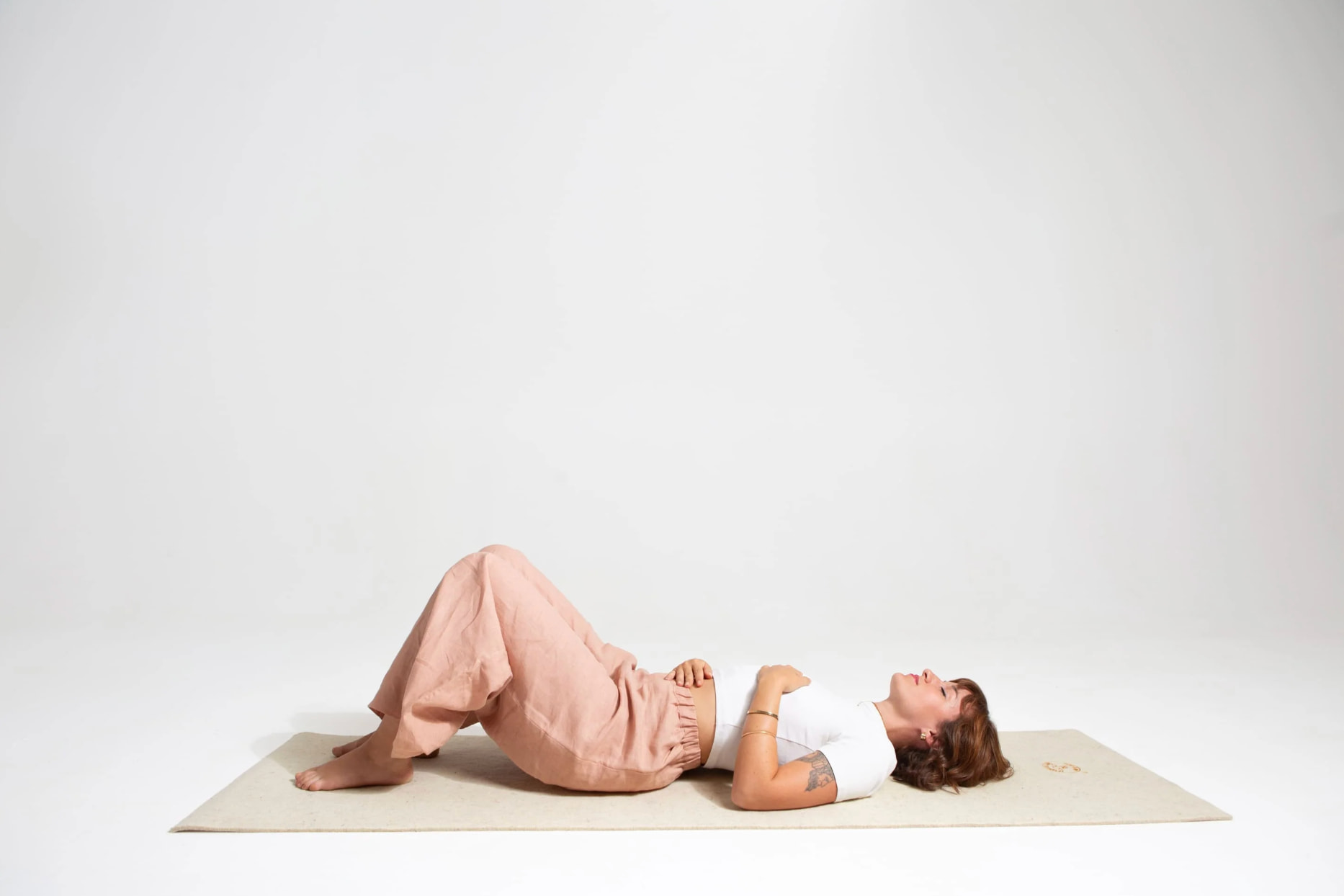
This property makes wool particularly well suited to static practice: in seated meditation, the body cools quickly. Our meditation mat is 100% wool, with no non-slip coating at all.
Natural hygiene without chemical treatment
Keratin has intrinsic antimicrobial activity that limits the growth of odour-causing bacteria, with no added chemical treatment needed.
A wool mat therefore stays cleaner in use than a PVC or TPE mat, which accumulate sweat and bacteria on the surface session after session. It also keeps care simple: airing it out after practice is enough, as we explain in our FAQ.
Superior elasticity and durability
The crimp lets the fibre stretch up to 30% of its length and return to its original shape after each deformation. That resilience is what stops a wool mat from flattening or holding the imprint of your weight.
In use, wool products show an average lifespan 33% longer than conventional textile alternatives, thanks to this combination of elasticity and abrasion resistance.
Another technical advantage: wool only ignites at 570–600 °C, against 252–292 °C for polyester, and it never melts on contact with heat.
Wool, PVC or TPE: the comparison
Tests run by the Ecology Center on “eco-friendly” yoga mats found compounds of concern in several products marketed as healthy. Gillian Miller, senior scientist at the Ecology Center, described some of those marketing claims as “greenwashing” in light of the analyses.
The Center for Environmental Health also points out that the phthalates used to soften PVC are recognised endocrine disruptors, which migrate out of the material under the effect of body heat (CEH).
Against other natural materials, wool has its limits too: we compared them in detail in our comparison of wool, cork, jute and rubber.
A natural, biodegradable material
Wool is 100% natural, renewable and 95% biodegradable in just 15 weeks buried in soil. At the end of its life it returns nitrogen, sulphur and magnesium to the ground rather than generating microplastics. For our mat, whose felt contains a kilo of wool per square metre, full decomposition and soil benefit take around two years.
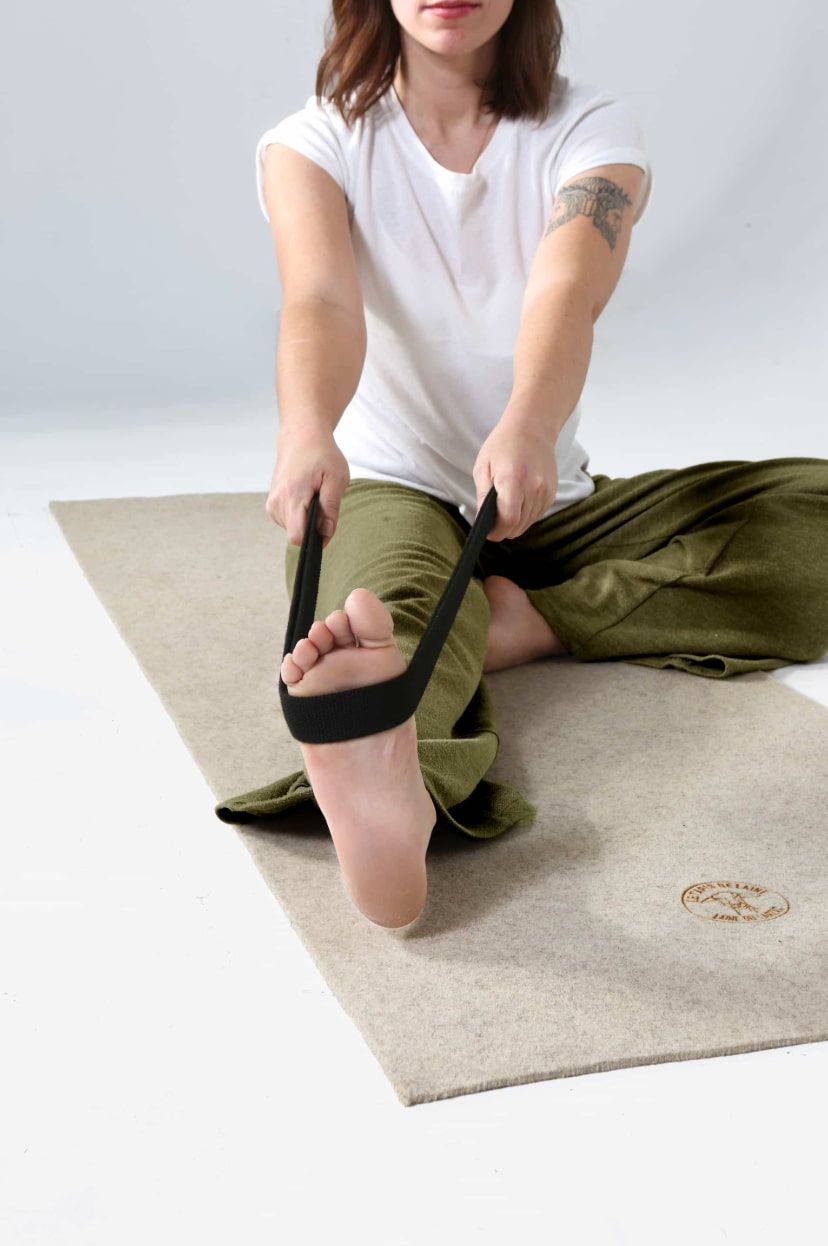
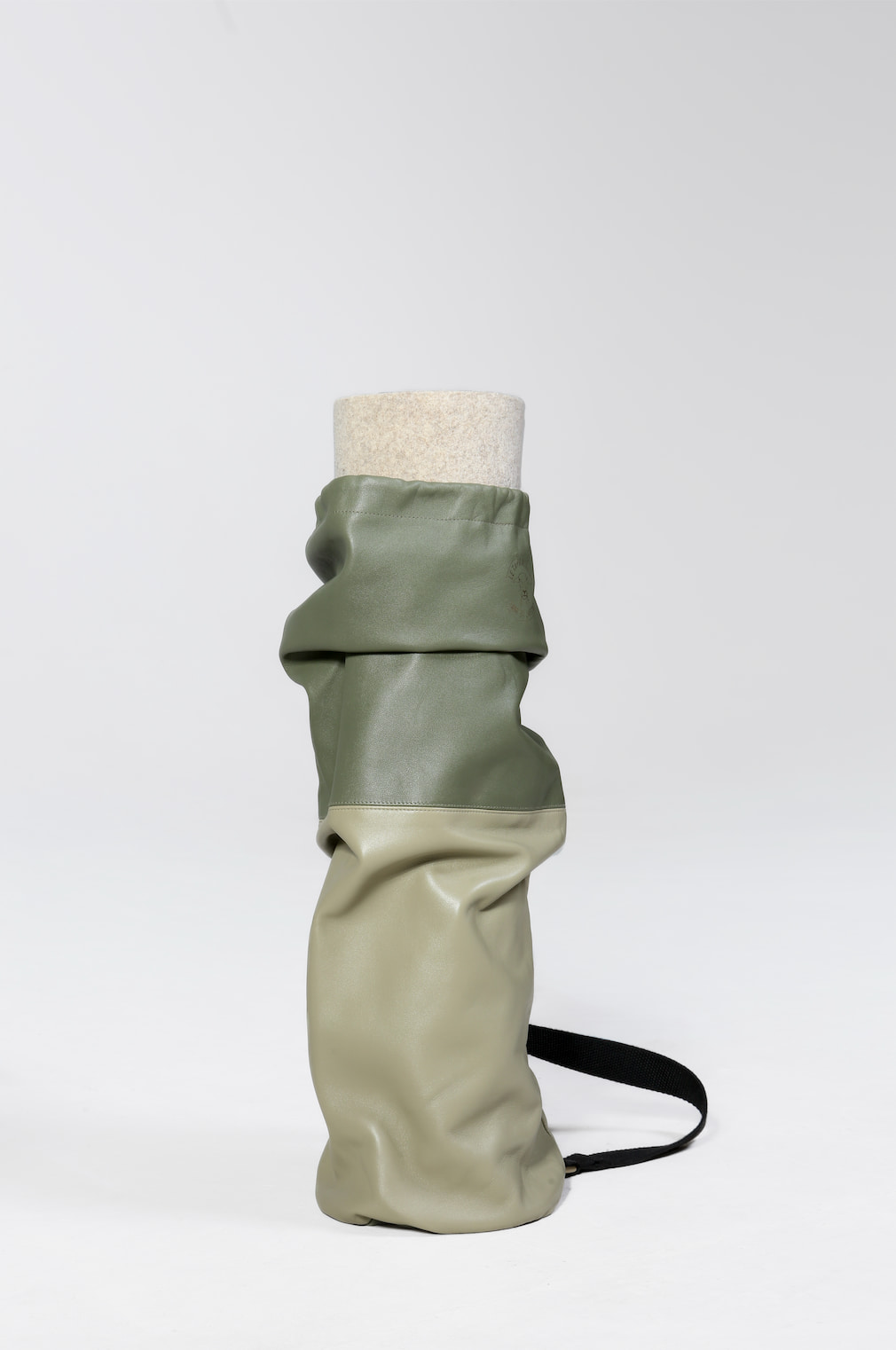
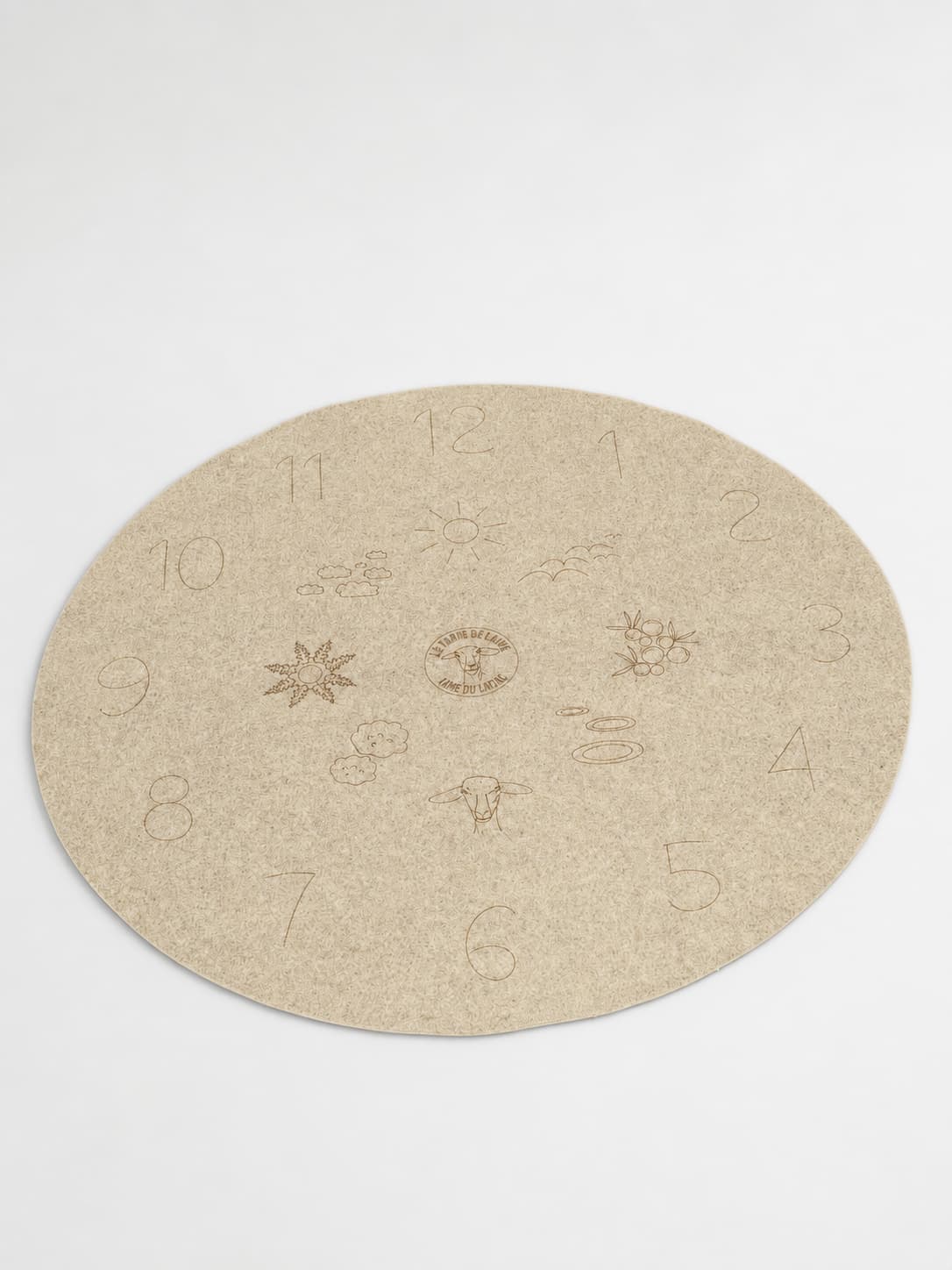
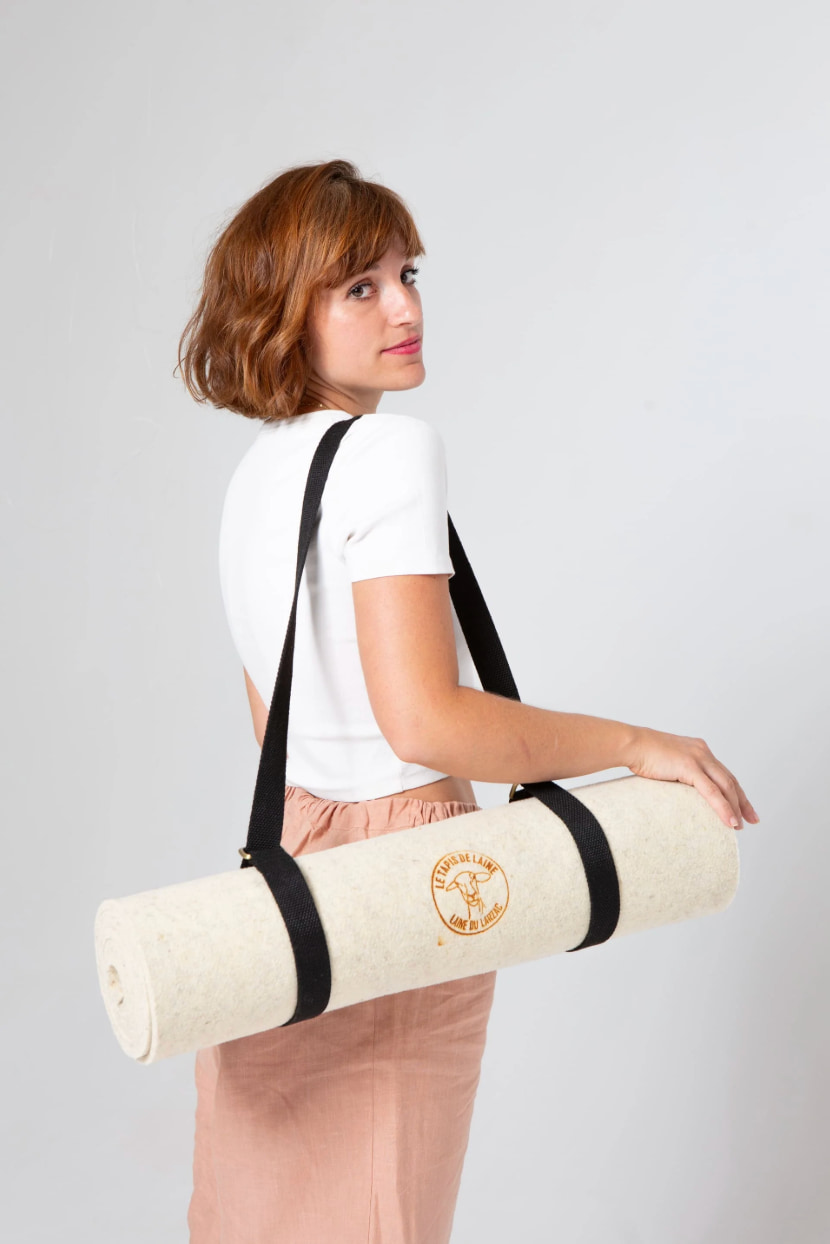
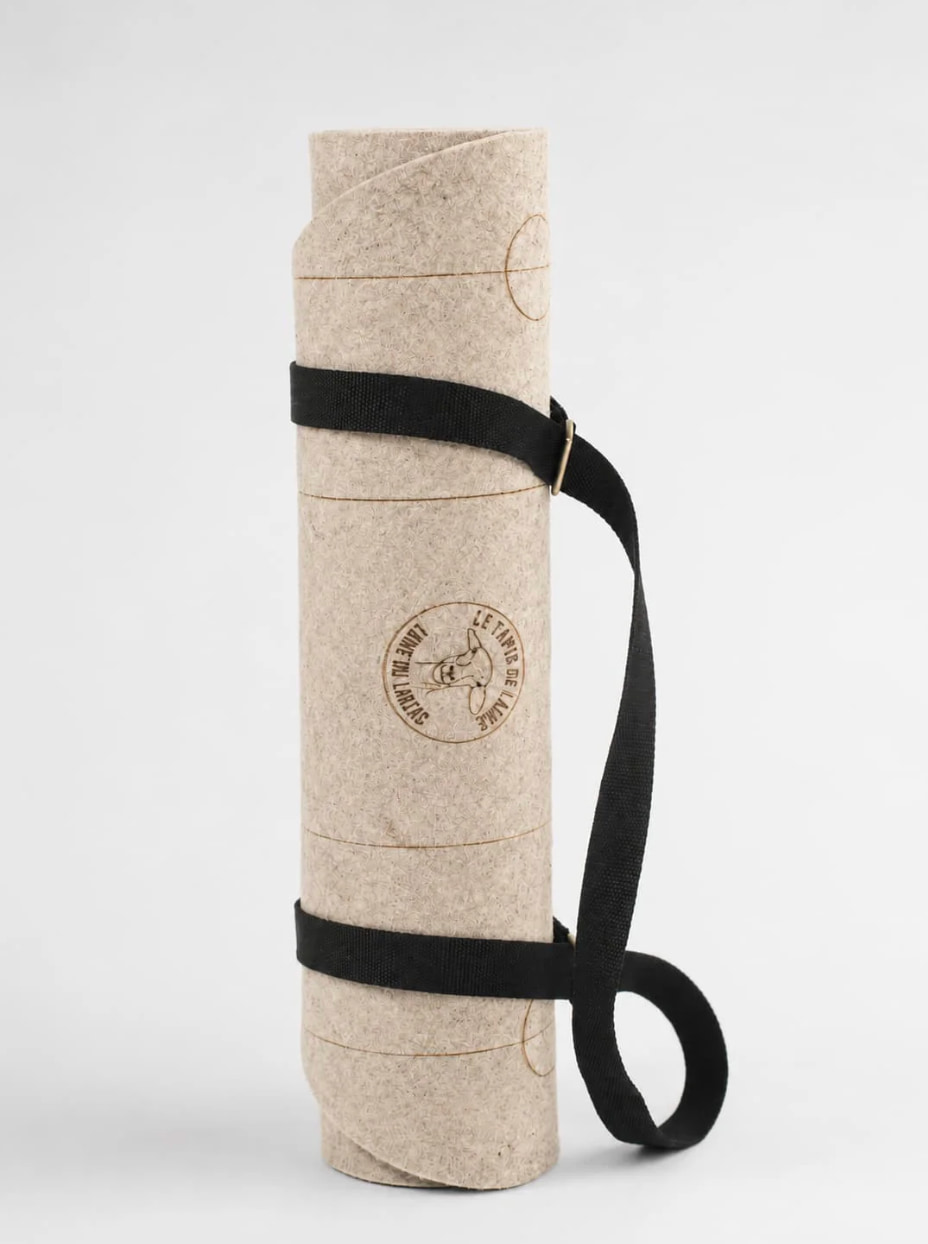
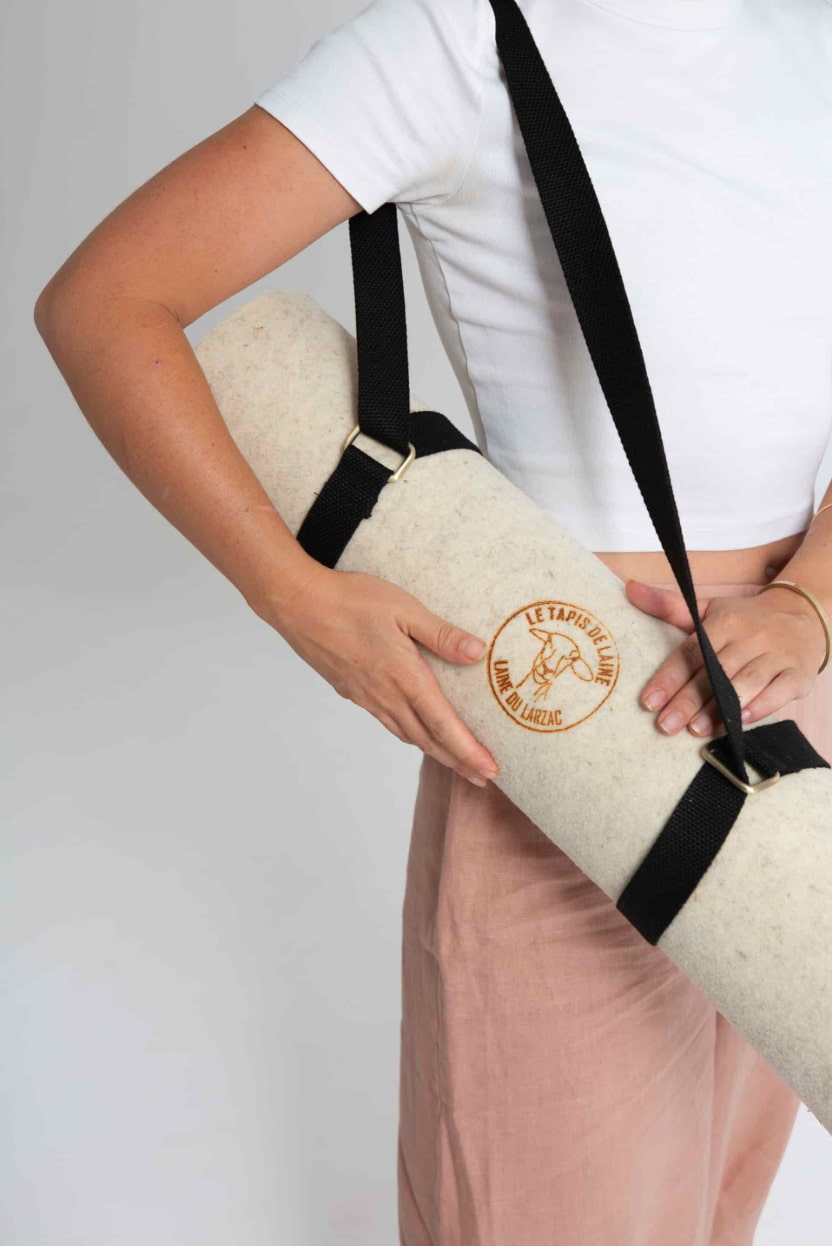
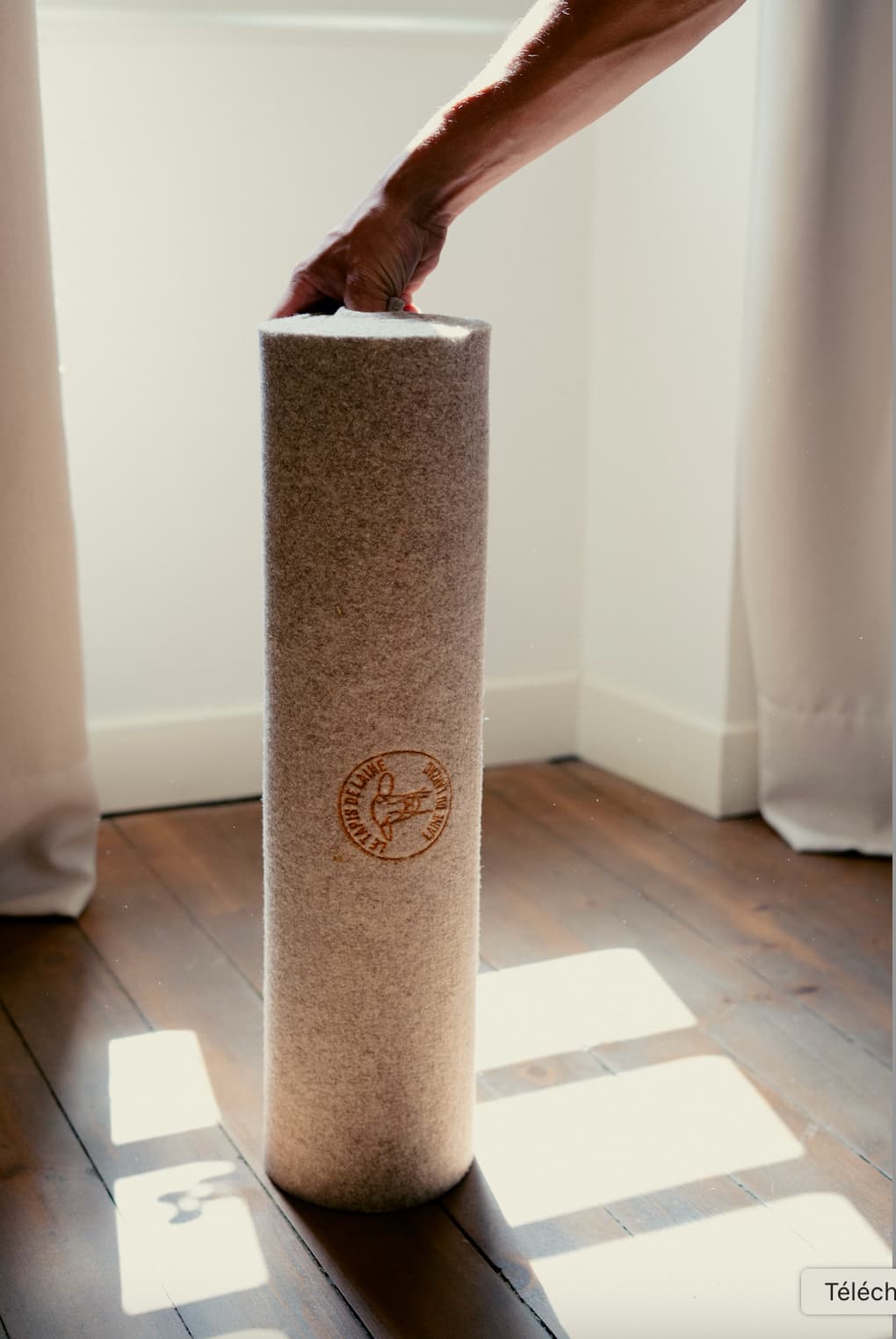
So what could be better than wool for your yoga practice? Discover our Larzac wool yoga mat: 190 × 61 cm, 8 mm, 1.15 kg, non-slip on both sides.
.svg)


How we make things
.avif)

Rentrée : comment installer un coin d'éveil confortable pour bébé

Tapis de yoga : les tendances 2026 à connaître
%20(1)%20(1).jpg)
Yoga anti-stress de rentrée : ce que la science recommande vraiment
Quelle épaisseur choisir pour son tapis de yoga ?
.png)
L'éveil sensoriel du bébé sur un tapis en laine : ce que dit la science (0-12 mois)
Wool or synthetic play mat: what the numbers show
Natural yoga mats: wool, cork, jute or rubber — which should you choose?
Why wool is the best-performing material for a yoga mat
Which yoga mat should you choose for your practice: yoga, pilates or meditation?

.svg)
.svg)
.svg)
.svg)
.svg)
.svg)